Electrical Panel Upgrades in Oakville — Done Properly




How It Works in 3 Easy Steps

Apply Online
Answer a few quick questions about your Electric Panel and home setup.


Get Matched with Pros
We’ll connect you with up to 3 verified, licensed installers in your area.

Compare & Hire
Review quotes, check credentials, and choose the installer that fits your needs.
Location
Reviews
Services

S & S Electrical Services Inc

Northcliffe Electric
Lia Electric Ltd
S & S Electrical Services Inc
Northcliffe Electric
Lia Electric Ltd

Electric Panel Upgrade Cost in Oakville, ON: Complete Guide
Oakville occupies an unusual position among Halton Region municipalities — it is simultaneously one of Ontario's wealthiest communities and one with a genuinely wide range of housing eras. Old Oakville's heritage district along the lakeshore carries properties dating to the nineteenth and early twentieth century. Bronte's lakefront neighbourhood adds another layer of older residential stock with its own service entrance considerations. Then there's the broad middle band of the 1970s, 1980s, and 1990s suburban expansion — Glen Abbey, River Oaks, West Oak Trails — and finally the newest development phases in Uptown Core, Palermo Village, and Joshua Creek pushing toward the northern boundary. Each era brings its own electrical profile, and Oakville's high homeownership values mean residents invest significantly in getting these situations right, especially as demand for EV charger installation continues to rise.
For Oakville homeowners upgrading from 100-amp to 200-amp service, the full project — panel, breakers, labour, ESA permit, and utility coordination with Alectra Utilities (formerly Oakville Hydro) — typically runs $2,500 to $4,800. The higher ceiling reflects both the larger home sizes common across Oakville and the complexity found in heritage Old Oakville and Bronte waterfront properties. Glen Abbey and River Oaks homes frequently warrant 400-amp service assessments when multi-vehicle EV charging and full electrification are in the picture. Newer Oakville development on loaded 200-amp builder service typically needs a subpanel addition as the practical first step for EV charger additions.
Quick Cost Snapshot: Oakville Panel Upgrade Pricing (2026)
| Upgrade Type | Typical Cost in Oakville | Notes |
|---|---|---|
| 100A → 200A (standard) | $2,500 – $4,800 | Panel, labour, ESA permit, Alectra coordination |
| Fuse box → 200A breakers | $2,600 – $5,800 | Old Oakville heritage and early Bronte properties |
| Federal Pacific or Zinsco replacement | $2,600 – $5,000 | Present in Oakville's 1965–1982 residential construction |
| Subpanel addition (loaded 200A) | $1,300 – $3,000 | Glen Abbey, River Oaks, Joshua Creek, newer development |
| 200A → 400A service | $5,500 – $13,000+ | Larger Oakville homes, multi-EV setups, estate-tier properties |
| Lakefront service entrance assessment | Add $250 – $750 | Old Oakville and Bronte waterfront properties |
Oakville utility note: Oakville is served by Alectra Utilities, which acquired Oakville Hydro as part of the 2017 merger that also brought together PowerStream, Enersource, and Horizon Utilities under the Alectra umbrella. If you were previously an Oakville Hydro customer, your electricity distribution is now managed by Alectra. Alectra's disconnect and reconnect scheduling for Oakville residential panel upgrade projects typically runs within a few business days to one week from the initial request. Your electrician manages the Alectra coordination as part of the project scope.
8 Signs Your Oakville Home Needs an Electrical Panel Upgrade
1. Your Old Oakville or Bronte heritage property hasn't had a full-picture electrical assessment. Old Oakville's residential streets carry some of the oldest housing in Halton Region — properties from the late 1800s and early 1900s with electrical infrastructure that has been updated piecemeal over many decades. If your Old Oakville or early Bronte property hasn't had a professional electrical review in recent memory, a rigorous assessment covering the panel, service entrance, weatherhead, and grounding system is the right starting point before any other electrical work is planned.
2. You have a Federal Pacific Stab-Lok or Zinsco panel. Both brands were used in Oakville's residential construction from the mid-1960s into the early 1980s — found across the mid-century residential development that preceded the Glen Abbey era. Ontario insurers flag both as priority replacements. The red Stab-Lok toggles or Zinsco panel label are the identifiers; a licensed electrician can confirm the brand during any site visit.
3. Breakers trip under normal household loads. An Oakville home with central AC, electric appliances, and multiple high-draw loads running simultaneously shouldn't trip breakers during ordinary operation. Consistent tripping warrants a professional load calculation rather than continued tolerance of the inconvenience.
4. Your waterfront Oakville property has any visible corrosion on service entrance components. Old Oakville and Bronte's proximity to Lake Ontario accelerates corrosion on service entrance conductors, weatherheads, and meter bases. The lakeshore environment is more aggressive than inland Oakville addresses, and service entrance condition should be specifically assessed for any waterfront or near-waterfront property.
5. Your Glen Abbey or River Oaks home on 200-amp service has no open panel slots. Glen Abbey and River Oaks were built with builder-standard 200-amp panels that are now 25 to 35 years old. These panels are in good hardware condition but increasingly slot-constrained as homeowners add EV charger circuits, heat pump wiring, and workshop or garage circuits on top of the original build. A subpanel addition or service upgrade is the solution.
6. You're planning multi-vehicle EV charging. Oakville has among Ontario's highest EV ownership rates per capita — and that proportion continues to grow. Households with two or three EVs have charging demand profiles that can require 400-amp service to accommodate comfortably alongside heating, cooling, and appliance loads. A load calculation with the full electrification picture in mind is the right starting point for these conversations.
7. Your panel is warm or shows any discolouration near breakers. A same-day electrician call. Panels should not generate perceptible external heat. Any warmth or discolouration near breaker positions warrants immediate professional assessment.
8. You're preparing a significant Oakville property for sale. Oakville's premium real estate market rewards well-prepared properties. An electrical inspection that flags a Federal Pacific panel or aging service entrance is a negotiating liability; addressing it before listing is a workable way to protect sale price and reduce transaction friction.
Types of Electrical Panels in Oakville Homes
| Panel Size | Suitable For | Oakville Context |
|---|---|---|
| 60 amps | Below Ontario minimum; not viable for modern loads | Oldest Old Oakville and early Bronte heritage properties |
| 100 amps | Modest loads without AC, EV, or high-draw appliances | Mid-century Oakville residential development; increasingly inadequate |
| 200 amps | Standard modern household including EV and heat pump | Glen Abbey, River Oaks, and all 1990s-plus development |
| 400 amps | Large homes, multi-EV, full electrification, estate properties | Strong and growing demand across Oakville's upper-tier residential market |
Oakville's electrification leadership: Oakville consistently records among Ontario's highest EV ownership rates, and the community's general orientation toward sustainability and premium home features means the full electrification conversation — heat pump, EV charging, induction cooking, solar-ready panels — comes up more frequently in Oakville panel upgrade discussions than in most Ontario municipalities. Electricians who work regularly in Oakville are accustomed to load calculations that look well beyond the standard 200-amp threshold.
Electric Panel Upgrade Costs in Oakville: The Full Breakdown
| Component | Cost Range (Oakville) | Notes |
|---|---|---|
| 200A panel (Siemens, Schneider, Square D) | $500 – $1,000 | Specify generous slot count; Oakville households often add loads quickly |
| Labour (4–7 hours) | $600 – $1,500 | Heritage Old Oakville and waterfront properties run toward the upper range |
| ESA permit and inspection | $175 – $500 | Mandatory; filed before any work begins |
| Alectra coordination | $175 – $500 | Meter disconnect/reconnect through Alectra |
| Grounding, bonding, service entrance | $300 – $900 | Heritage properties and waterfront addresses often require significant work here |
| Total: 100A → 200A | $2,500 – $4,800 | Standard Oakville residential project |
How a Panel Upgrade Works in Oakville: Step by Step
Oakville Electrical Codes, Permits, and ESA Requirements
All electrical panel upgrades in Oakville require an ESA permit filed by an ECRA/ESA-licensed electrical contractor before work begins. This is mandatory under the Ontario Electrical Safety Act — there is no homeowner self-permit pathway for service entrance work in Ontario. The permit triggers the post-installation ESA inspection, and the resulting certificate of inspection is your long-term documentation of code-compliant work. Alectra maintains service entrance standards that your contractor must meet before the meter reconnect is approved. AFCI protection is required on all bedroom and common-area circuits in upgraded panels; GFCI protection applies to kitchen, bathroom, garage, and outdoor circuits.
Incentives and Rebates for Panel Upgrades in Oakville
The Canada Greener Homes Loan provides interest-free financing up to $40,000 for home energy upgrades including panel work tied to heat pump or EV charger installations — EnerGuide evaluations are required. Alectra Utilities offers customer efficiency programs for Oakville residential customers; visit alectra.com for current program details. The Ontario Home Renovation Savings Program has offered rebates for electrification-enabling panel upgrades — check ontario.ca for current availability. The Town of Oakville has historically been supportive of residential electrification initiatives; check oakville.ca for any current municipal programs alongside provincial and federal offerings.
Electrical Panel Upgrade Services in Oakville
Areas We Serve in Oakville
About Old Oakville
Old Oakville is the historic heart of the town — the lakeshore heritage district centred on Lakeshore Road East and the streets running toward the harbour and waterfront. Properties here include some of the oldest residential structures in Halton Region, dating to the nineteenth century alongside early-to-mid twentieth century construction. The heritage designation and premium real estate values attract owners willing to invest significantly in their properties, and the electrical infrastructure reflects the full range of the buildings' long histories.
Panel Upgrades in Old Oakville
Old Oakville presents some of Oakville's most technically demanding panel upgrade situations. Heritage properties with multiple generations of electrical updates, lakefront service entrance corrosion on waterfront and near-waterfront homes, and service configurations that reflect a century or more of residential occupation require a thorough, property-specific assessment before any scope can be reliably established. Pre-sale electrical improvements are a routine part of Old Oakville real estate transactions, and the investment is consistently justified by the area's premium listing values.
Key Upgrade Demand Drivers
Heritage property electrical age and complexity, lakefront service entrance corrosion, pre-sale electrical improvements in a premium market, EV charger demand among Old Oakville's affluent demographic, and renovation activity as owners invest in heritage properties.
About Bronte
Bronte is Oakville's west-end lakefront community, centred on Bronte Harbour and developed through the twentieth century as a fishing village turned residential neighbourhood. The community has a mix of older heritage properties along the waterfront and more recent residential development inland. The lakeshore proximity adds a service entrance corrosion consideration for waterfront and near-waterfront properties.
Panel Upgrades in Bronte
Bronte panel upgrades span both the aging-infrastructure profile of the older waterfront and village properties and the newer suburban development further from the lake. Older Bronte homes close to the harbour carry similar service entrance corrosion considerations to Old Oakville. Inland Bronte development from the 1980s and 1990s presents the standard aging-infrastructure upgrade profile. The neighbourhood's revitalization and desirability have driven consistent renovation activity that generates ongoing panel upgrade work.
Key Upgrade Demand Drivers
Older property electrical age, lakefront service entrance corrosion, renovation activity in a revitalizing waterfront community, and EV charger demand from a community with growing environmental engagement.
About Kerr Village
Kerr Village is a vibrant mixed-use neighbourhood in central Oakville along Kerr Street, with a mix of heritage residential properties, newer infill development, and an active commercial streetscape. The residential stock spans a wide age range, creating varied panel upgrade situations across a relatively compact geography.
Panel Upgrades in Kerr Village
Kerr Village's housing age diversity means panel upgrade situations vary considerably by address. Older properties carry the aging-infrastructure profile of mid-century Oakville; newer infill townhomes present slot-capacity challenges familiar from newer suburbs. The neighbourhood's active demographic and renovation culture create consistent upgrade demand across both age profiles.
Key Upgrade Demand Drivers
Mixed housing age, renovation activity in a trendy neighbourhood, EV charger demand from an environmentally engaged community, and pre-sale electrical improvements in Oakville's premium resale market.
About Glen Abbey
Glen Abbey is one of Oakville's most established and prestigious planned communities, developed primarily from the late 1970s through the 1990s around the Glen Abbey Golf Club. Larger detached homes on generous lots, strong community infrastructure, and an affluent demographic that has shown particularly strong EV adoption define the neighbourhood. Panels here are predominantly 200-amp builder service from the development era, now 25 to 45 years old.
Panel Upgrades in Glen Abbey
Glen Abbey generates two streams of panel upgrade work. The earlier 1970s–1980s development has panels now in the 35–45 year range — good candidates for assessment on hardware age alone. The 1990s development has 200-amp builder panels in good condition but increasingly slot-constrained. Perhaps more than any other Oakville neighbourhood, Glen Abbey drives the 400-amp service conversation — households with two or three EVs, heat pumps, and methodical electrification plans regularly push load calculations beyond comfortable 200-amp headroom.
Key Upgrade Demand Drivers
High EV adoption among affluent families, multi-vehicle EV charging demand, heat pump installations, panel age in the older stock, builder panel slot constraints in the 1990s development, and among Oakville's strongest rates of full electrification interest.
About River Oaks
River Oaks is a large planned community in north Oakville, developed primarily through the 1990s with a mix of detached and semi-detached homes in a well-established suburban setting. The neighbourhood has a strong family demographic with growing interest in EVs and home electrification as the community has matured.
Panel Upgrades in River Oaks
River Oaks panels from the 1990s are now 25 to 35 years old — in good hardware condition but approaching the age at which a professional assessment is reasonable as a proactive measure. Slot capacity constraints from EV charger and heat pump additions are the primary driver of panel conversations in River Oaks currently. The neighbourhood's established family demographic has moved toward EV adoption and whole-home electrification at a pace that makes panel capacity planning a relevant conversation for many homeowners.
Key Upgrade Demand Drivers
EV charger demand, heat pump installations, builder panel slot constraints, panel age on 1990s stock, and growing interest in 400-amp service among households pursuing thorough electrification.
About West Oak Trails
West Oak Trails is a planned community in northwest Oakville, developed primarily in the late 1990s and 2000s. The neighbourhood features a mix of detached homes in a natural setting adjacent to the Sixteen Mile Creek corridor, with a younger professional demographic that has shown strong EV adoption.
Panel Upgrades in West Oak Trails
West Oak Trails' housing from the late 1990s and 2000s presents the familiar newer-suburb panel situation — 200-amp builder panels in good condition but slot-constrained by the original installation. EV charger demand among the neighbourhood's active, younger demographic is the primary driver of panel assessment requests, and subpanel additions are the common solution. The neighbourhood's proximity to employment corridors makes EV adoption particularly practical for residents with long commutes.
Key Upgrade Demand Drivers
EV charger demand among younger professional families, heat pump installations, builder panel slot constraints, and growing multi-vehicle EV charging aspirations.
About Uptown Core
Uptown Core is one of Oakville's newest and most intensively developed areas — a mixed-use urban centre in north Oakville with condominiums, townhomes, and commercial uses in a walkable, transit-connected setting. The electrical profile here is almost entirely contemporary, with newer panels that are in good hardware condition but may face the slot-capacity constraints common in builder-standard installations.
Panel Upgrades in Uptown Core
Uptown Core panel upgrade needs are primarily about slot capacity in newer townhome and low-rise residential units. EV charger demand among the neighbourhood's environmentally conscious, transit-adjacent demographic is growing — and the discovery that the builder panel has no open slots for an EV charger circuit is one of the more common frustrations in this community. Subpanel additions are typically the right near-term solution.
Key Upgrade Demand Drivers
EV charger demand in a new urbanism community, builder panel slot constraints in newer townhomes, and growing interest in home electrification among Uptown Core's younger, sustainability-oriented demographic.
About Palermo Village
Palermo Village is a planned community in northwest Oakville, developed primarily in the 2000s and 2010s with a mix of detached homes and townhomes in a neighbourhood that emphasizes village-scale design and walkability. The housing is relatively new, with 200-amp builder service as standard.
Panel Upgrades in Palermo Village
Palermo Village's newer homes have 200-amp builder panels that are 10 to 20 years old — in excellent hardware condition but increasingly facing slot capacity pressure as the neighbourhood's EV-owning population grows and heat pump installations become more common. Subpanel additions are the standard solution for Palermo Village homes with slot constraints, with the load calculation determining whether 200-amp total service capacity remains sufficient for the household's plans.
Key Upgrade Demand Drivers
EV charger demand among a newer-community demographic with strong environmental values, heat pump installations, builder panel slot constraints, and multi-vehicle EV planning.
About Joshua Creek
Joshua Creek is an upscale planned community in northeast Oakville, developed primarily in the late 1990s and 2000s with larger detached homes on generous lots. The neighbourhood's premium positioning and affluent demographic make it one of Oakville's most active markets for detailed home improvement and electrification projects.
Panel Upgrades in Joshua Creek
Joshua Creek generates some of Oakville's most full panel upgrade conversations. Larger homes, high household electrical loads, strong EV adoption, and frequent interest in whole-home electrification mean that 400-amp service assessments are a routine part of electrical planning discussions in this neighbourhood. The load calculation that precedes any Joshua Creek panel upgrade recommendation often looks well beyond the standard residential scope to account for multi-vehicle EV charging, heat pump systems, and the full electrification picture.
Key Upgrade Demand Drivers
Multi-vehicle EV charging demand, heat pump installations, large home base loads, 400-amp service planning for complete electrification, and builder panel slot constraints on 1990s–2000s development.
Frequently Asked Questions: Panel Upgrades in Oakville
Peace of Mind, Built In

Verified Installers
Every electrician is licensed, insured, and pre-screened — deal only with trusted pros.

Transparent Pricing
Compare up to 3 quotes side by side. No hidden fees, no surprises.

Fast Response Time
Get matched with local Oakville electricians quickly so your upgrade gets scheduled sooner.

Trusted Reviews
See real homeowner feedback to help you choose with confidence.
Ready to Get Your Oakville Panel Upgrade Quoted?
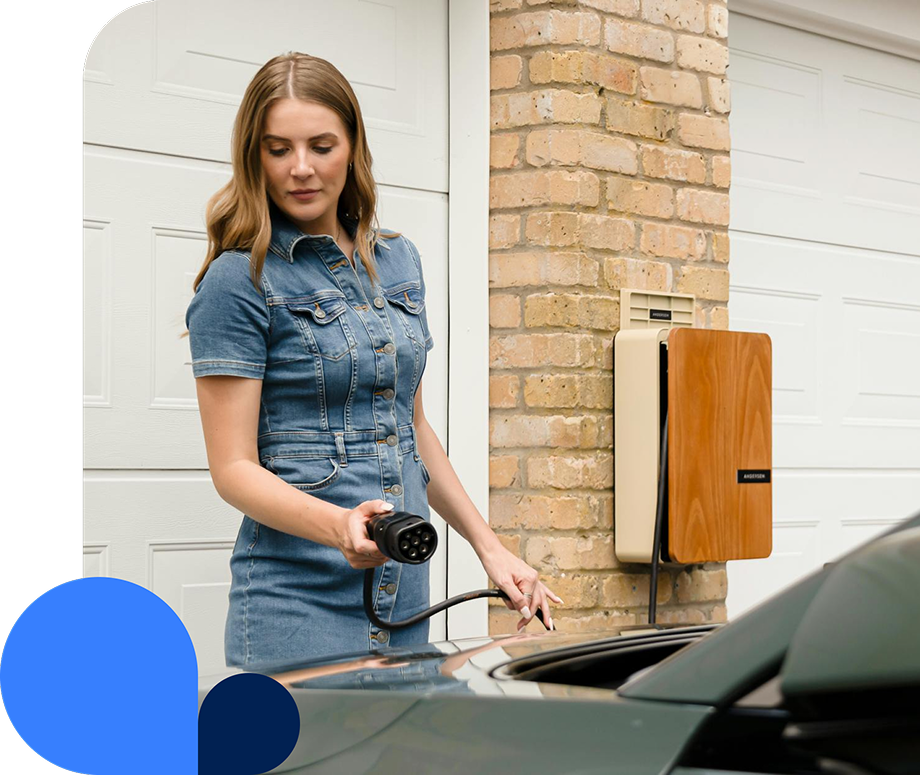
Whether you're addressing heritage electrical complexity in Old Oakville, replacing a Federal Pacific panel in Glen Abbey, adding a subpanel to a River Oaks home for multi-vehicle EV charging, planning a 400-amp service for a Joshua Creek estate, or navigating lakefront service entrance corrosion in Bronte, EV Quotes connects you with licensed Oakville electricians who know Halton Region's electrical landscape. Compare quotes, understand your options, and move forward with confidence.
Get a Free Panel Upgrade Quote in Oakville