Electrical Panel Upgrade Cost in Toronto: Get 3 Free Quotes
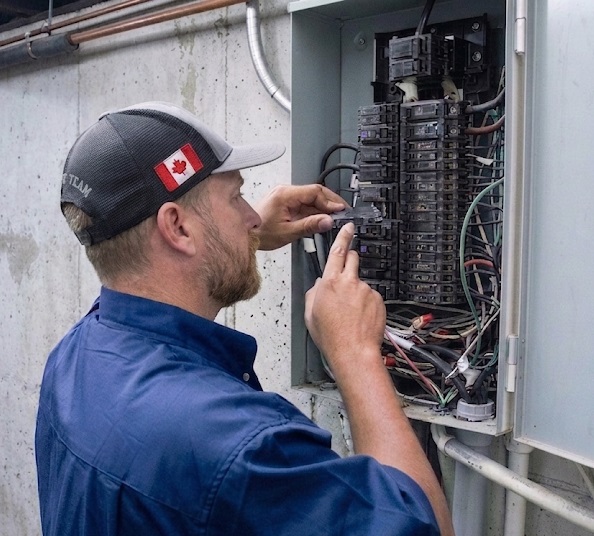




How It Works in 3 Easy Steps

Apply Online
Answer a few quick questions about your Electric Panel and home setup.


Get Matched with Pros
We’ll connect you with up to 3 verified, licensed installers in your area.

Compare & Hire
Review quotes, check credentials, and choose the installer that fits your needs.
Location
Reviews
Services
Go Electrical Inc.
Lia Electric Ltd
Go Electrical Inc.
Lia Electric Ltd

Electric Panel Upgrade Cost in Toronto, ON: Complete Guide
Getting a straight answer on electric panel upgrade cost in Toronto takes more than a quick Google search — and most homeowners figure that out the hard way, after two or three quotes that are hundreds of dollars apart with no explanation why. The short version: upgrading from 100-amp to 200-amp service in Toronto typically costs between $2,500 and $4,500 all-in, covering the new panel, breakers, labour, ESA permit, and Toronto Hydro coordination. What pushes a job to the high end of that range — or well beyond it — is your starting point. A 1960s bungalow in East York with an original Federal Pacific panel and aluminum branch wiring is a completely different project than a 1998 semi in North York where the existing service entrance is clean and the only task is swapping the panel itself.
Toronto's housing stock is more electrically varied than almost anywhere in Ontario. You've got post-war bungalows in Scarborough and East York running on 60-amp service, Victorian rowhouses in the Annex and Parkdale with basement panels that haven't been touched in decades, glass condos downtown with modern 200-amp setups, and newer detached homes in North York and Etobicoke where the only upgrade need is extra capacity for an EV charger installation or heat pump. That variety is why this guide covers Toronto specifically — general Ontario panel upgrade content leaves out too much of what actually drives cost and complexity in this city.
Quick Cost Snapshot: Toronto Panel Upgrade Pricing (2026)
| Upgrade Type | Typical Cost in Toronto | Notes |
|---|---|---|
| 100A → 200A (standard) | $2,500 – $4,500 | Panel, labour, ESA permit, Toronto Hydro coordination |
| 60A → 200A | $3,000 – $5,500 | Older bungalows; full service entrance replacement often needed |
| Fuse box → 200A breakers | $1,900 – $5,800 | Common in pre-1970 Toronto homes |
| Panel relocation (add-on) | $800 – $1,500 | Required when existing location fails clearance code |
| 200A → 400A service | $5,000 – $12,000+ | Multi-EV, heat pump + AC combination households |
Worth knowing upfront: roughly 80% of Toronto homes built before 1980 are running electrical service that needs attention before you can safely add an EV charger, heat pump, or full kitchen renovation. That's not scare tactic language — it's a code reality, and the ESA enforces it consistently.
8 Signs Your Toronto Home Needs an Electrical Panel Upgrade
Most panels don't announce problems loudly. They degrade gradually in ways that are easy to dismiss as minor inconveniences — until something fails, or an insurance adjuster starts asking uncomfortable questions. Here are the eight signs to actually pay attention to:
1. Breakers that trip repeatedly. A one-off trip when you run the microwave and toaster simultaneously isn't concerning. A breaker that trips regularly on a circuit that isn't obviously overloaded is telling you something real: the breaker is worn, the circuit is undersized, or the panel is being asked to carry more than it was built for.
2. A fuse box instead of breakers. If your panel has glass fuses rather than flip breakers, it predates 1960. Fuse panels aren't banned outright, but they're at end of life, frequently mismatched with downstream wire gauges, and actively flagged by Toronto home insurers. Many companies now impose surcharges — or decline coverage — on homes with fuse panels. Plan to replace it before your next renewal.
3. A Federal Pacific or Zinsco panel. If the panel door carries a red Stab-Lok label, or says Zinsco or Sylvania, get a licensed electrician to evaluate it promptly. Federal Pacific panels were installed throughout Toronto in the 1960s and 1970s and have a documented history of breakers failing to trip during overloads. That's the one thing a breaker absolutely must do. Zinsco panels carry similar failure histories. Both brands represent real fire risk that Toronto insurers take seriously.
4. Flickering or dimming lights when appliances start. The washer hits its spin cycle and the kitchen light dims. That voltage sag points to either a panel struggling under load or a loose neutral connection — neither of which improves on its own.
5. A panel that's warm to the touch, discoloured, or smells burnt. Electrical panels should be at room temperature on the outside. Warmth, discolouration on breakers, or any burnt plastic smell near the panel are reasons to call an electrician the same day. Don't wait on these.
6. No room for new circuits. You want to add a 240V circuit for an EV charger, a dedicated line for a workshop, or a circuit for a new HVAC system. The electrician opens the panel and there are no open slots. This is extremely common in Toronto homes with original 100-amp panels — they were sized for 1960s loads, not a home running central air, a heat pump, two refrigerators, and a Level 2 charger.
7. Your insurer is asking pointed questions about your panel. Toronto home insurers have become increasingly specific about electrical panel brand, age, and amperage over the last few years. If your renewal questionnaire asks directly about Federal Pacific, Zinsco, fuse panels, or aluminum wiring, that's not routine — it's a warning that coverage terms may be about to change.
8. You're planning a major electrical addition. A heat pump, EV charger, basement suite, home addition, or hot tub all need dedicated circuits that a 100-amp panel often simply cannot support. Have the panel conversation before the appliance purchase, not after the delivery truck shows up.
Types of Electrical Panels: What Toronto Homes Actually Have
Toronto's housing spans about a century of construction, which means electrical panels across the city cover nearly every generation of residential electrical technology. Understanding where yours falls helps frame what's actually involved in an upgrade.
| Panel Size | Suitable For | Toronto Context |
|---|---|---|
| 60 amps | Very small homes, minimal loads only | Pre-1965 Annex, East York, Cabbagetown homes; insufficient for modern household loads |
| 100 amps | Modest homes without AC or EV charging | Common in post-war Scarborough and North York bungalows; Ontario code minimum |
| 200 amps | Standard modern home with AC, appliances, EV charger | Current Ontario standard; sufficient for most Toronto households through electrification transition |
| 400 amps | Large homes, multiple EVs, full electrification | Growing demand in North York, Etobicoke, Forest Hill for heat pump + multi-EV setups |
Fuse panels vs. breaker panels: Fuse panels were standard in Ontario homes built before roughly 1960. They operate on the same overcurrent principle as breakers — too much current, and the protective device interrupts the circuit — but fuses are single-use (unlike breakers that reset), and there's no physical barrier against someone installing an oversized fuse, which eliminates the protection entirely. The Ontario Electrical Safety Code doesn't require immediate removal of a functioning fuse panel, but insurance carriers and prospective home buyers increasingly do.
Ontario code requirements during an upgrade: The Ontario Electrical Safety Code sets a 100-amp minimum for residential service. AFCI protection is required for bedroom circuits in new installations and typically triggered by panel upgrades in retrofits. GFCI protection is required for bathrooms, kitchens, garages, and all outdoor circuits. Proper grounding and bonding to water piping and structural steel is mandatory. When your panel is upgraded, an ESA-licensed electrician brings all of this into compliance — it's part of the job, not optional extras.
Most Common Electrical Panel Upgrade Options
Not every electrical panel upgrade in Toronto means the same thing. Some projects are mainly about replacing outdated equipment, while others involve increasing the home’s electrical capacity to support modern loads like EV chargers, air conditioning, hot tubs, additions, or full-home electrification.
| Upgrade Type | Best For | Toronto Context |
|---|---|---|
| 60-amp fuse box/panel to 100 amps upgrade | Older homes with outdated fuse panels or undersized electrical service | A common first modernization step in older Toronto homes; improves safety and convenience without jumping to a full heavy-up |
| 100 amps to 200 amps upgrade | Homes adding EV charging, air conditioning, hot tubs, or higher-load equipment | The most common residential service upgrade in Toronto and the standard choice for many modern households |
| 200 amps to 400 amps upgrade | Large homes, additions, multiple EVs, or properties with substantial electrical demand | A higher-capacity upgrade that is generally more complex and expensive than a standard 200-amp service change |
| Fuse box to breaker panel conversion | Homes replacing an old fuse box with a modern breaker panel | Often paired with a capacity increase, but it can also be completed as a standalone safety upgrade at the same or higher amperage |
Choosing the right upgrade: The right panel upgrade depends on your current service size, the condition of the existing panel, your household electrical demand, and what you plan to add in the future. For many Toronto homes, 200 amps is the practical modern standard, while 400 amps is usually reserved for larger properties or homes planning major electrification.
Electric Panel Upgrade Costs in Toronto: The Full Breakdown
The $2,500 to $4,500 figure for a standard 100A to 200A upgrade is real, but it's a range with real reasons behind it. Here's how the cost actually breaks down by component so you understand what you're paying for:
| Component | Cost Range (Toronto) | Notes |
|---|---|---|
| 200A panel (Siemens, Schneider, Square D) | $500 – $1,000 | Brand and breaker slot count affect price; more slots costs more |
| Labour (4–8 hours) | $600 – $1,500 | Licensed Toronto electricians run $90–$130/hr |
| ESA permit and inspection | $200 – $500 | Mandatory; filed by the licensed contractor, not the homeowner |
| Toronto Hydro coordination | $300 – $1,000 | Meter base replacement, disconnect and reconnect scheduling |
| Grounding, bonding, mast upgrades | $300 – $800 | Code required when service is upgraded |
| Total: 100A → 200A | $2,500 – $4,500 | Standard Toronto residential project |
What pushes costs higher in Toronto specifically:
Panel relocation ($800–$1,500 added): If your current panel doesn't meet modern clearance requirements — 30 inches of clear space in front, proper headroom, nothing stored directly beside it — it may need to move. This is more common in Toronto's older housing stock where panels were wedged into awkward basement corners or utility closets.
Aluminum branch wiring ($1,000–$2,000 added): Many Toronto homes built in the late 1960s and early 1970s have aluminum wiring on branch circuits — not just the service entrance, but the wiring to outlets, switches, and fixtures. Aluminum wiring requires CO/ALR-rated devices, special connectors, and anti-oxidant compound at every termination point. Addressing this properly adds meaningful cost but eliminates a genuine safety concern.
Emergency or after-hours service (add 25–50%): Panel failures don't time themselves conveniently. After-hours and emergency callouts carry a real premium because you're pulling a licensed contractor away from their regular schedule. It's uncomfortable, but it's the honest reality.
2026 pricing note: Electrical materials — particularly copper conductors and panel hardware — have increased 10 to 15 percent since 2023, and that trend is still moving. A quote from two or three years ago is no longer a useful benchmark.
How a Panel Upgrade Actually Works in Toronto: Step by Step
Understanding the process makes it less stressful and helps you ask better questions before anyone starts work. Here's the real sequence for a Toronto residential panel upgrade:
| Scenario | Timeline |
|---|---|
| Standard 100A → 200A swap (modern home) | 1 day installation; 3–10 business days to ESA inspection |
| Panel relocation, service entrance work | 1–2 days installation; same inspection timeline |
| Fuse box replacement with aluminum wiring remediation | 2–3 days; may require rough-in inspection before closing walls |
| Toronto Hydro coordination lead time | 2–4 weeks from permit filing to scheduled disconnect |
Important for Toronto homeowners: panel upgrades in Ontario cannot be done by homeowners themselves. The work must be performed by a licensed electrician registered with the Electrical Contractors Registration Agency (ECRA/ESA). DIY panel work voids your home insurance, fails the ESA inspection, and creates liability that follows the property, not just the current owner. There's no grey area on this one.
Toronto Codes, ESA Permits, and What Happens Without Them
Ontario's permitting requirements for panel upgrades are worth understanding before you talk to any contractor, because the permit question is sometimes used as a cost-cutting conversation by contractors who shouldn't be cutting it.
Every electrical panel upgrade in Ontario requires an ESA permit, filed before work begins by the licensed electrical contractor performing the work. The ESA inspects at key stages of the project. For a standard panel swap, this typically means a single final inspection. For work involving new wiring before wall cover-up, a rough-in inspection is required at that stage. The permit is filed electronically; the contractor manages the process.
What's required under Ontario code during a panel upgrade in Toronto:
- Minimum 100-amp service (most upgrades go to 200A)
- Proper grounding electrode conductor, bonding to water service and structural steel where applicable
- AFCI protection on bedroom circuits (required for new circuit additions)
- GFCI protection on bathrooms, kitchen countertop circuits, garages, and outdoor circuits
- Copper or properly rated aluminum conductors (aluminum branch wiring requires specific devices)
- Accurate, legible circuit labelling on the panel directory
- Service entrance and weatherhead in good condition; replaced if failing
Toronto Hydro's specific role: Toronto Hydro owns the meter and the service connection to the street. Any panel upgrade involving a service size change — going from 100A to 200A service, for example — requires Toronto Hydro to replace or verify the meter base and disconnect/reconnect the service. Your electrician files a service upgrade request with Toronto Hydro as part of the project coordination. Toronto Hydro charges directly for this service and schedules the disconnect independently. Budget two to four weeks of lead time from permit filing to Hydro's scheduled visit.
Consequences of skipping the permit: Unpermitted electrical work carries ESA fines starting at $500 and can run significantly higher for commercial violations or repeat offences. More practically, unpermitted panel work voids your home insurance, surfaces as a deficiency on any future home inspection when you sell, and leaves you personally liable if something goes wrong electrically in the years after. The permit cost is a small fraction of the project cost and the protection it provides is real.
Incentives, Rebates, and Financing for Toronto Panel Upgrades
Direct rebates specifically for electrical panel upgrades are limited in Toronto, but there are meaningful programs to know about — particularly if your panel upgrade is part of a broader home electrification project.
Canada Greener Homes Grant and Loan: The Greener Homes program, while primarily focused on insulation, windows, and heat pumps, recognizes that electrical upgrades are often prerequisites for heat pump installation. A panel upgrade undertaken specifically to enable heat pump installation may be eligible as a supporting measure. The loan component (up to $40,000 at 0% interest) can cover electrical work done in conjunction with qualifying upgrades. Check current eligibility at nrcan.gc.ca, as program terms have evolved.
Ontario Home Renovation Savings Program: Ontario's provincial rebate program covers heat pumps, insulation, and related efficiency upgrades. Panel upgrades performed as a prerequisite to a qualifying heat pump installation may be included in the project scope for rebate calculation purposes. Your electrician and HVAC contractor should coordinate documentation if you're pursuing this path.
Toronto Hydro efficiency programs: Toronto Hydro's direct rebate programs for residential electrical panels are limited, but the utility does offer time-of-use rate structures — including the Ultra-Low Overnight rate — that make the payback period on a panel upgrade (when combined with EV charging or heat pump operation) significantly shorter. Running your EV or heat pump on overnight rates can offset the panel upgrade cost within three to five years of installation.
Low-income support: Toronto homeowners with qualifying household income may be eligible for free or subsidized electrical upgrades through the Enbridge Winterproofing Program or the Save on Energy Low-income program. These programs prioritize safety-related upgrades, which makes dangerous panels — Federal Pacific, Zinsco, fuse boxes — eligible candidates. Income eligibility thresholds and program availability shift annually; contact Toronto Hydro directly to confirm current access.
Home insurance savings: This one is often overlooked. Replacing a flagged panel — Federal Pacific, Zinsco, or a fuse box — with a modern breaker panel can reduce your annual home insurance premium by $200 to $600, depending on your carrier. That's a real financial return that partially offsets the upgrade cost over time and is worth explicitly asking your insurer about before and after the work.
Why EV Quotes Is Toronto’s Trusted Choice for Electrical Panel Upgrades
Finding the right electrician for a panel upgrade in Toronto matters more than people realize before they start making calls. Toronto's housing stock is genuinely complex — Victorian semis with original 60-amp service, post-war bungalows wired in aluminum, downtown condos with shared electrical rooms, newer North York homes where the panel is clean but the capacity just ran out. Getting quotes from contractors who actually understand these conditions produces far more useful numbers than calling whoever ranks first on Google.
Our network includes ESA-licensed electricians who work Toronto daily and know the city's permit and utility coordination process inside out. They understand Toronto Hydro's scheduling timelines, which heritage neighbourhoods require additional permit steps, and what aluminum wiring actually requires in a remediation — not just a workaround. When you request quotes through EV Quotes, you're comparing experienced professionals against each other, not guessing which random result on a search page is legitimate.
When you use EV Quotes for your Toronto panel upgrade, you get:
- Quotes from electricians who know Toronto’s varied housing conditions — semis, bungalows, condos, heritage homes, and everything in between
- Multiple competitive quotes — compare real options, not just accept the first number you hear
- ESA-licensed and insured contractors with permit histories you can verify
- Guidance on Toronto Hydro coordination and realistic scheduling timelines
- Transparent pricing broken down by labour, materials, permit, and utility fees
- Support for rebate documentation if your upgrade qualifies for provincial or federal programs
- Fast response and clear communication from first contact through ESA sign-off
Why Panel Upgrade Demand in Toronto Is Rising
Toronto homeowners are upgrading panels at a pace that has genuinely surprised the electrical contracting industry. The short explanation is that several major trends arrived at the same time: EV adoption accelerating past 13% of new vehicle sales in Ontario, heat pump installations climbing as natural gas costs rise, whole-home electrification driven by federal and provincial policy, and an aging housing stock where panels from the 1960s and 1970s are simply at the end of their service life.
The 100-amp panel that was more than adequate for a 1975 Toronto household — gas heat, one window AC unit, no dishwasher, no dryer — is genuinely insufficient for a 2026 version of that same home. Add central air, an induction range, a heat pump water heater, and a Level 2 EV charger , and a 100-amp service is not a constraint you can work around. It's a hard limit. Toronto Hydro has noted increasing overload complaints from older residential circuits as household electrical loads climb.
Insurance pressure is adding another layer. Federal Pacific and Zinsco panels — distributed throughout Toronto's 1960s and 1970s construction — are increasingly affecting renewals and coverage terms. Homeowners who put off the panel conversation when buying their home five years ago are now finding the insurer has changed its position on those brands. The upgrade that felt optional then feels considerably less optional now.
Electrical Panel Upgrade Services in Toronto
Areas We Serve in Toronto
About Banbury–Don Mills
Banbury–Don Mills has a mix of mid-century detached homes, townhomes, and newer condos near Don Mills Road and York Mills. The post-war houses here — many built between 1955 and 1975 — often carry original 100-amp service that was adequate for their time but hasn’t kept pace with modern household loads.
Panel Upgrades in Banbury–Don Mills
Upgrading to 200-amp service is straightforward in most detached homes here, with accessible basements and relatively short runs from the service entrance. Homeowners adding EV chargers, heat pumps, or additional circuits commonly find they need the panel upgrade first. Toronto Hydro coordination for meter base upgrades typically takes two to three weeks in this area.
Key Upgrade Demand Drivers
EV adoption in Don Mills business corridor, aging 1960s panels in mid-century homes, heat pump conversions from gas, basement suite additions requiring dedicated circuits.
About Bridle Path
Bridle Path has large properties with private garages and estate-scale homes. Many homes have already seen electrical upgrades over the decades, but the scale of modern electrical loads — multiple EVs, whole-home generators, large HVAC systems — is pushing even updated 200-amp services toward their limits.
Panel Upgrades in Bridle Path
400-amp service upgrades are more common here than almost anywhere else in Toronto. Estate homes with multiple EV chargers, heated driveways, pool equipment, and whole-home generators regularly exceed what a single 200-amp panel can cleanly support. Subpanel additions are often part of the solution, distributing load across multiple panels rather than a single service upgrade.
Key Upgrade Demand Drivers
Multiple EV charging setups, full electrification projects, generator integration, and capacity expansion for home additions and renovations.
About Cabbagetown
Cabbagetown has some of the oldest housing stock in Toronto — Victorian rowhouses and semis that predate the city’s first electrical code by decades. Many of these homes still have 60-amp service, original fuse boxes, or Federal Pacific panels installed during postwar renovations. Panel replacement here is often overdue rather than optional.
Panel Upgrades in Cabbagetown
Heritage designations in parts of Cabbagetown add a permitting layer for exterior work — service entrance mast replacement or new weatherhead installation may require heritage review if visible from the street. Interior panel work is ESA-only. An electrician experienced in heritage Toronto neighbourhoods handles both permit streams without adding unnecessary delay.
Key Upgrade Demand Drivers
Aging fuse panels, Federal Pacific replacement, insurance carrier requirements, EV charger additions to Victorian rowhouses with limited panel capacity.
About Casa Loma
Casa Loma’s hilly streets are lined with detached homes ranging from pre-war heritage builds to mid-century bungalows. Electrical service varies widely by block and by how recently renovations were done. Homes that were updated in the 1980s may have breaker panels but still carry 100-amp service that’s now too small.
Panel Upgrades in Casa Loma
Service entrance runs in this neighbourhood sometimes involve overhead feeds to homes on elevated lots, which adds complexity compared to a straightforward basement panel swap. Panel locations vary from finished utility rooms to tight basement corners — clearance compliance occasionally requires relocation. ESA permits and Toronto Hydro coordination run on standard timelines in this area.
Key Upgrade Demand Drivers
100-amp panels hitting capacity limits, heat pump installation prerequisites, EV charger additions, and home insurance panel audits.
About Don Mills
Don Mills is a planned community from the 1950s and 1960s, built with a consistent housing typology of bungalows, side splits, and semi-detacheds. That consistency means electrical starting points are relatively predictable — most original homes came with 100-amp service that has never been upgraded.
Panel Upgrades in Don Mills
The planned community layout means many homes have accessible basements and straightforward service entrance configurations. 100-amp to 200-amp upgrades in Don Mills are typically on the cleaner end of the cost spectrum when panels haven’t been modified. Federal Pacific panels are common in homes that haven’t been renovated — a proactive swap before insurance renewal is worth scheduling.
Key Upgrade Demand Drivers
Original 1960s Federal Pacific panels, EV charger prerequisites, heat pump circuit additions, and insurance renewal requirements.
About Downtown
Downtown Toronto is predominantly high-rise condos and rental apartments, with a smaller number of Victorian townhomes and converted houses in neighbourhoods like St. Lawrence and parts of Corktown. Panel upgrade scenarios here split sharply between individual condo units (where the suite panel is often modern but the building electrical room may be the constraint) and the older low-rise buildings where the original electrical infrastructure is genuinely aging.
Panel Upgrades Downtown
Condo suite panel upgrades or additions require building management involvement and must be coordinated through the building’s electrical room. Individual unit panels in older buildings are sometimes only 60 or 100 amps — insufficient for adding EV circuits or dedicated appliance lines. For townhomes and converted houses, the path is more straightforward: ESA permit, Toronto Hydro coordination, standard panel swap.
Key Upgrade Demand Drivers
Condo EV charger installation prerequisites, aging low-rise building electrical infrastructure, converted heritage home panel replacement.
About East Danforth
East Danforth has a mix of older semis, newer condos, and some townhomes along the Main Street and Danforth corridor. Original homes here often carry 100-amp panels installed during postwar renovations, with some older homes still on 60-amp service. The neighbourhood has seen significant renovation activity, which sometimes means older panels were left in place while everything else was updated.
Panel Upgrades in East Danforth
Semi-detached homes in this area typically have shared electrical rooms in the basement — the boundary between the two units’ electrical systems can create complications if not clearly understood before work begins. A load calculation specific to your unit confirms exactly what’s available for upgrade and what’s shared infrastructure. ESA permits and Toronto Hydro service coordination run on standard timelines.
Key Upgrade Demand Drivers
100-amp panels at capacity, EV charger readiness, basement suite electrical additions, insurance carrier panel inquiries.
About East York
East York has one of the highest concentrations of post-war bungalows in Toronto — a housing type that almost universally came with 100-amp service and, in the older stock, fuse panels or early breaker panels that are now 50 to 60 years old. These are exactly the homes that are driving panel upgrade demand in the eastern part of the city.
Panel Upgrades in East York
The bungalow layout typically means accessible basement panels with reasonable service entrance runs — good news for upgrade cost. The bad news is that aluminum branch wiring was common in East York homes built between 1965 and 1975, so the panel upgrade conversation sometimes expands to include aluminum wiring remediation. A load calculation at the assessment stage surfaces this before work starts.
Key Upgrade Demand Drivers
Aging 100-amp and fuse panels, aluminum branch wiring, EV charger prerequisites, insurance-driven panel replacements in bungalow stock.
About Eglinton West
Eglinton West is in a period of significant transition along the Crosstown LRT corridor, with new mid-rise developments alongside older detached homes and semis. The older housing stock — particularly along side streets off Eglinton — carries the same panel age profile as the rest of mid-century Toronto.
Panel Upgrades in Eglinton West
New construction in the area comes with modern 200-amp panels, so upgrades are largely concentrated in the older semi-detached and detached stock. Panel replacement in homes with partially finished basements — common in this area — can complicate the wiring run, but rarely changes the fundamental project scope. Standard ESA and Toronto Hydro timelines apply.
Key Upgrade Demand Drivers
Older panel stock in mid-century semis, heat pump circuit additions, EV charger installation prerequisites, basement renovation electrical work.
About Flemingdon Park
Flemingdon Park consists largely of mid-rise apartment towers and co-op buildings built between the 1960s and 1980s. Individual suite panels in these buildings are typically modest by current standards — 60 to 100 amps — and building electrical rooms that serve the common infrastructure are often at or near their original design capacity.
Panel Upgrades in Flemingdon Park
Suite-level panel upgrades in rental buildings require landlord or property management approval and must be coordinated with the building’s electrical room. Condo buildings have an additional board approval layer. For the smaller number of detached homes in Flemingdon Park, the standard residential process applies — ESA permit, Toronto Hydro coordination, straightforward panel swap.
Key Upgrade Demand Drivers
Aging suite panels in apartment stock, building-level EV infrastructure planning, EV-ready parking prerequisites.
About Forest Hill North
Forest Hill North has detached homes across a wide age range, from pre-war houses to postwar bungalows to more recent builds. The neighbourhood has seen significant renovation activity, which means electrical systems are in mixed condition — some fully updated, others with original panels still in place behind otherwise-renovated interiors.
Panel Upgrades in Forest Hill North
Homes that were renovated in the 1980s and 1990s may have had panel work done to 100-amp breaker panels that are now at capacity. The combination of heat pumps, EV chargers, and home additions is pushing many of these panels past their useful limits. 200-amp upgrades are clean and well-defined projects in most Forest Hill North homes, with the ESA and Toronto Hydro process running on standard timelines.
Key Upgrade Demand Drivers
1980s-era 100-amp panels at capacity, heat pump and EV charger combinations, home addition electrical prerequisites.
About Graydon Hall
Graydon Hall has a mix of rental towers, office buildings, and some residential properties near the Don Valley Parkway and York Mills area. Residential properties here tend toward townhomes and smaller detached homes, with electrical systems that vary depending on build date and subsequent renovation history.
Panel Upgrades in Graydon Hall
Townhome panel upgrades in this area typically involve accessible basement utility rooms and manageable service entrance runs. Older rental tower suites face the same constraints as Flemingdon Park — building management coordination is required for any work affecting shared electrical infrastructure. Standard ESA and Toronto Hydro processes apply to detached residential work.
Key Upgrade Demand Drivers
EV charger installation prerequisites, aging panel stock in older townhomes, building electrical infrastructure planning for rental towers.
About Lawrence Park
Lawrence Park has quiet streets lined with detached homes and rear-lane garages — a configuration that makes home electrical upgrades relatively clean to plan. Many Lawrence Park homes have been extensively renovated, but panel capacity often wasn’t upgraded to match the renovated load profile.
Panel Upgrades in Lawrence Park
Panel upgrades in Lawrence Park homes are commonly triggered by EV charger additions or heat pump installations where the existing 100-amp service simply won’t support the new load. The rear garage configuration sometimes means the panel upgrade and the EV circuit installation happen together as a single coordinated project — more efficient than tackling them separately. Heritage street designation in parts of Lawrence Park may add a review step for any exterior mast or weatherhead work visible from the street.
Key Upgrade Demand Drivers
EV charger and heat pump prerequisites, 100-amp panels at capacity in renovated homes, heritage permit coordination for exterior electrical work.
About Leaside
Leaside has many renovated semis and newer infill homes — a neighbourhood that’s further along the electrification curve than much of Toronto. But even in well-renovated Leaside homes, the electrical panel was often left at 100 amps while kitchens, bathrooms, and basements were fully updated. That original panel becomes the bottleneck once EV charging or heat pumps enter the picture.
Panel Upgrades in Leaside
Leaside laneways make rear-access panel and service work relatively straightforward. The semi-detached format means the shared wall between units needs to be respected during any wiring changes. A load calculation confirms what circuits are shared between units vs. individually metered, which shapes the upgrade scope and cost accurately before any commitment.
Key Upgrade Demand Drivers
100-amp panels left behind in otherwise-renovated homes, EV charger additions, laneway suite electrical infrastructure, heat pump circuit requirements.
About Leslieville
Leslieville blends former industrial lofts, semis, and townhomes in a dense, walkable neighbourhood. Older homes here carry the same 100-amp legacy as much of east Toronto, and the semi-detached format means limited parking options push EV charging to the garage or driveway — which often requires the panel upgrade to happen first.
Panel Upgrades in Leslieville
Semi-detached homes with shared basements require clear confirmation of which electrical infrastructure is shared vs. independently metered before upgrade work begins. Loft conversions and older industrial-to-residential buildings may have non-standard panel configurations that require extra assessment time. Standard ESA permit timelines apply, with Toronto Hydro typically running two to three weeks for meter-related coordination.
Key Upgrade Demand Drivers
Aging 100-amp panels, EV charger prerequisites, loft building electrical infrastructure, insurance-driven panel assessments in older stock.
About Little Italy
Little Italy has small lots, narrow streets, and many older homes — the majority of which have had various levels of renovation over the decades without necessarily having the electrical system keep pace. Original 60-amp and 100-amp panels in these homes are increasingly the constraint holding back EV charger and heat pump additions.
Panel Upgrades in Little Italy
Limited basement access in some older Little Italy homes can complicate panel replacement — tight stairwells and finished utility rooms add handling challenges that affect the time and cost estimate. Panel upgrades here are almost always ESA-only unless exterior mast work is involved; City of Toronto permits apply for service entrance work visible from the street in heritage-influenced areas.
Key Upgrade Demand Drivers
Aging 60-amp and fuse-panel stock, EV charger and heat pump prerequisites, insurance requirements, basement renovation electrical upgrades.
About Midtown Toronto
Midtown covers a wide electrical age range — from pre-war housing near Yonge and Eglinton to post-war bungalows in Davisville Village to mid-rise condos throughout. The older detached stock in Midtown carries the same 100-amp legacy as the rest of Toronto’s mid-century homes. Condo buildings are more varied, with newer towers having modern shared electrical infrastructure.
Panel Upgrades in Midtown Toronto
Detached home upgrades in Midtown are typically clean 100A to 200A projects with accessible basements. Condo suite upgrades require building management coordination. Some pre-war homes in the Yonge-Eglinton and Lawrence corridor are dealing with original 60-amp fuse panels, making the upgrade more involved but also more overdue. Heritage considerations apply in parts of Midtown for exterior electrical work.
Key Upgrade Demand Drivers
Pre-war fuse panel stock, 100-amp panels at EV and heat pump capacity limits, condo EV charger prerequisites, insurance renewals triggering panel assessments.
About North Toronto
North Toronto has a range of residential types — detached homes, semis, and a growing number of infill townhomes — across a wide build date range. The older detached stock along Lawrence and Eglinton corridors carries original 100-amp service in many cases, while newer construction is on modern 200-amp panels.
Panel Upgrades in North Toronto
Panel upgrades in North Toronto detached homes are generally clean, well-defined projects. The combination of accessible basements and overhead service feeds makes the installation straightforward in most cases. ESA permit and Toronto Hydro coordination run on standard timelines. Some homes in the northern parts of this area are served by Hydro One rather than Toronto Hydro — the utility coordination process is similar but the service department is different.
Key Upgrade Demand Drivers
100-amp panels at capacity in older stock, EV and heat pump circuit prerequisites, home addition electrical requirements, insurance-driven panel audits.
About Parkdale
Parkdale has dense, older housing — apartments, semis, creative studios, and Victorian rowhouses — with a significant stock of homes that have never had their electrical systems meaningfully updated. Federal Pacific panels and fuse boxes are not uncommon in the older housing here, and the conversion of single-family homes to multi-unit rentals often happened without corresponding electrical upgrades.
Panel Upgrades in Parkdale
Multi-unit conversion homes in Parkdale sometimes have complicated electrical configurations — shared panels, sub-metered units, or original service that was split between units without formal separation. An assessment by a licensed electrician before committing to an upgrade scope is more important here than in straightforward single-family homes. ESA permits and Toronto Hydro coordination run on standard city timelines.
Key Upgrade Demand Drivers
Federal Pacific and fuse panel stock, multi-unit conversion electrical safety upgrades, insurance requirements, EV and heat pump infrastructure prerequisites.
About Parkwoods
Parkwoods has winding streets and mid-century homes built predominantly in the 1950s and 1960s. Like Don Mills to the south, the housing here was built on a relatively consistent template — which means electrical starting points are predictable. Most homes came with 100-amp service that has never been upgraded.
Panel Upgrades in Parkwoods
The 1960s construction here means Federal Pacific panels are common. The good news is that the layout of these homes — accessible basements, overhead service feeds, manageable lot depths — makes the upgrade relatively clean once it’s decided. Panel assessment and load calculation at the initial visit confirm the exact scope. ESA permit and Hydro coordination run on standard timelines.
Key Upgrade Demand Drivers
Federal Pacific panel replacement, 100-amp panels at EV and HVAC capacity limits, insurance renewal requirements, basement suite additions.
About Riverdale
Riverdale has Victorian and Edwardian semis and rowhouses that are among the oldest in the city. Many have been thoughtfully renovated over the years — but electrical systems are often the last thing to get updated, and panels from 1960s-era renovations are now 60 years old and showing their age in very concrete ways.
Panel Upgrades in Riverdale
Heritage considerations in parts of Riverdale apply to exterior electrical work — particularly weatherhead replacement or service mast changes visible from the street. Interior panel work is straightforward ESA-only. The semi-detached format means confirming the boundary between shared and independent electrical infrastructure before beginning upgrade work. Federal Pacific panels from 1960s renovations are common here.
Key Upgrade Demand Drivers
Aging 1960s panels in Victorian semis, Federal Pacific replacement, EV charger prerequisites, heritage permit coordination, insurance requirements.
About South Riverdale
South Riverdale blends converted industrial buildings, newer condos, and older residential stock. The former industrial-to-residential conversions sometimes carry non-standard electrical configurations — commercial panels or three-phase service remnants that need to be properly addressed during any residential upgrade.
Panel Upgrades in South Riverdale
Loft conversions and adaptive reuse buildings may require an electrician’s assessment to confirm what exactly exists before any upgrade scope is defined. Standard residential homes in South Riverdale follow the normal process. The East Harbour growth area and associated new developments are bringing modern 200-amp standard panels to the south end of the neighbourhood.
Key Upgrade Demand Drivers
Industrial conversion electrical remediation, aging panels in older residential stock, EV infrastructure prerequisites in growing development corridor.
About Sunnyside
Sunnyside is on Toronto’s lakefront with a mix of apartments, heritage homes, and mid-rise buildings. The lakefront exposure means corrosion on exterior electrical components — service masts, weatherheads, meter bases — progresses faster than inland properties. Panel upgrades here often include exterior component replacement that might be deferred elsewhere.
Panel Upgrades in Sunnyside
Service entrance components on Sunnyside homes near the lake should be inspected for corrosion during any panel upgrade — replacing a corroded mast at the same time as the panel is far more cost-effective than a separate service call later. Heritage properties on some Sunnyside streets may carry additional permit requirements for exterior electrical work. Standard ESA permit and Toronto Hydro timelines apply.
Key Upgrade Demand Drivers
Corrosion-affected service entrance components, aging panel stock in heritage homes, EV charger infrastructure, lakefront property electrical upgrades.
About The Beaches
The Beaches has older homes — many Victorian and Edwardian — alongside mid-century bungalows, all near Lake Ontario. Moisture and salt exposure near the lake accelerates corrosion on exterior electrical hardware. Federal Pacific and fuse panels are common in the older housing stock that hasn’t been recently renovated.
Panel Upgrades in The Beaches
Panel upgrades in The Beaches often include service entrance work — mast, weatherhead, and meter base replacement — more frequently than inland properties because of the accelerated corrosion rate. Heritage considerations apply to parts of Queen Street East and side streets. The detached home layout with accessible basements generally makes interior panel work clean and well-defined.
Key Upgrade Demand Drivers
Federal Pacific and fuse panel replacement, corrosion-driven service entrance upgrades, EV charger prerequisites, heritage permit coordination.
About Upper Beaches
The Upper Beaches have semis and townhomes with mid-century origins. Many have been renovated to varying degrees, but electrical upgrades often got skipped in favour of cosmetic work. 100-amp panels from 1960s installations are common, and some older homes still have fuse boxes.
Panel Upgrades in Upper Beaches
Semi-detached homes in Upper Beaches carry the shared-wall consideration — confirming the independent vs. shared electrical configuration is the first step before scoping the upgrade. Accessible basements and overhead service feeds make the installation manageable once the scope is confirmed. Standard ESA and Toronto Hydro timelines apply.
Key Upgrade Demand Drivers
Aging 100-amp and fuse panel stock, EV charger and heat pump prerequisites, insurance-triggered panel assessments.
About Weston
Weston has older detached homes and apartment buildings with a wide range of electrical ages. Some homes have had incremental updates over the years while others are running original service from the 1950s. The neighbourhood sees less renovation pressure than some other parts of Toronto, which means older panels have often been left in place longer.
Panel Upgrades in Weston
Older homes in Weston frequently still carry fuse boxes or early-generation breaker panels that are past their reliable service life. Panel replacement here is often straightforward, with accessible basements and clear service entrance paths. Low-income support programs are available in some Weston households — Toronto Hydro and Enbridge Winterproofing programs may provide subsidized or free panel upgrades for qualifying income levels.
Key Upgrade Demand Drivers
Aging fuse panel and early breaker panel stock, safety-driven replacements, low-income subsidy-eligible upgrades, EV charger prerequisites.
About York
York has low-rise apartments and multi-unit homes across a wide age range. Multi-unit buildings in York sometimes have complicated electrical configurations where original service was informally divided between units without proper submetering or load calculation. Panel upgrades in these buildings need a careful pre-assessment before work begins.
Panel Upgrades in York
Single-family detached homes in York follow the standard residential process cleanly. Multi-unit configurations require confirmation of metering and panel boundary before scoping. ESA permit and Toronto Hydro coordination run on standard timelines. Low-income support programs may be available for qualifying households in this area.
Key Upgrade Demand Drivers
Multi-unit building electrical safety upgrades, aging single-family panel stock, low-income program-eligible replacements, EV charger infrastructure prerequisites.
About York Mills
York Mills has large lots and detached homes across several decades of construction. Larger homes here have higher baseline electrical loads — multiple HVAC systems, extensive lighting, workshop or garage subpanels — and the transition to EV charging and heat pumps is pushing some 200-amp panels toward their practical limits. 400-amp service upgrades are not uncommon in this part of the city.
Panel Upgrades in York Mills
Large-home panel work in York Mills sometimes involves subpanel additions or 400-amp service upgrades rather than a simple swap to 200 amps. Load calculations at the assessment stage determine the right solution. For homes near the northern edge of the area, Hydro One rather than Toronto Hydro may be the distribution utility — the coordination process is similar but handled through a different service centre.
Key Upgrade Demand Drivers
200-amp panels at capacity in large homes, 400-amp upgrade demand for multi-EV setups, heat pump and HVAC combinations, subpanel additions for estate-scale properties.
Panel Upgrade Assessment Checklist
Toronto electricians — the experienced ones — can tell a great deal about a job before they walk through the door. But the information you provide upfront directly affects how accurate your first quote is. Vague information produces wide ranges. Specific information produces useful numbers.
Have these ready before your first electrician conversation:
- A clear photo of your existing electrical panel, door open, showing all breakers and any panel branding or labels
- Your current amp service if known (usually on the main breaker: 60A, 100A, or 200A)
- A photo of the service entrance on the exterior of your home — the mast, weatherhead, and meter location
- A rough idea of what you’re planning to add — EV charger, heat pump, basement suite, addition — and when
- Whether you’ve received any comments from your insurer about your panel
Frequently Asked Questions: Panel Upgrades in Toronto
How to Choose an Electrician for Your Toronto Panel Upgrade
Toronto has hundreds of licensed electrical contractors, and the quality difference between the best and the worst is substantial. Here’s how to sort them out before any money changes hands.
Verify the ECRA/ESA licence: Every electrical contractor working in Ontario must be registered with the Electrical Contractors Registration Agency. Ask for the licence number and verify it at the ESA’s contractor lookup before committing. This takes about two minutes and eliminates a significant category of risk immediately.
Confirm they pull their own permits: The ESA permit must be filed by the licensed contractor performing the work — never by the homeowner, and never skipped. An electrician who offers to waive the permit “to save you money” is transferring legal and safety risk to you while charging you as if the work is being done correctly. Walk away from that conversation.
Ask about Toronto Hydro experience specifically: Toronto Hydro has its own service upgrade request process, scheduling timelines, and meter base requirements. An electrician who works Toronto regularly knows how to navigate this — including how to set realistic timeline expectations based on current Hydro scheduling availability. Someone who works primarily outside the city may underestimate the coordination timeline.
Get itemized quotes, not lump sums: A quote that breaks down labour, panel hardware, permit fees, and utility coordination separately lets you compare contractors on equal footing and understand where any price difference comes from. A lump-sum quote is harder to evaluate and easier to pad.
Ask for recent references: Panel upgrades in Toronto rowhouses, 1960s bungalows, and heritage properties each carry specific complexities. References from homeowners with similar properties to yours are more useful than generic five-star reviews.
Local electricians with Toronto track records (sample — verify current credentials independently): Toronto-area electrical contractors with established permit histories at the ESA include firms across Scarborough, Etobicoke, North York, and the central city. Your EV Quotes inquiry surfaces local, vetted contractors from our network for comparison — removing the cold-search step entirely.
Peace of Mind, Built In

Verified Installers
Every electrician is licensed, insured, and pre-screened — deal only with trusted pros.

Transparent Pricing
Compare up to 3 quotes side by side. No hidden fees, no surprises.

Fast Response Time
Get matched with local electricians quickly so your upgrade gets scheduled sooner.

Trusted Reviews
See real homeowner feedback to help you choose with confidence.
Ready to Get Your Panel Upgrade Quotes?
Tell us a bit about your Toronto home and your panel situation. We’ll match you with licensed local electricians — fast.
Request Free Quotes