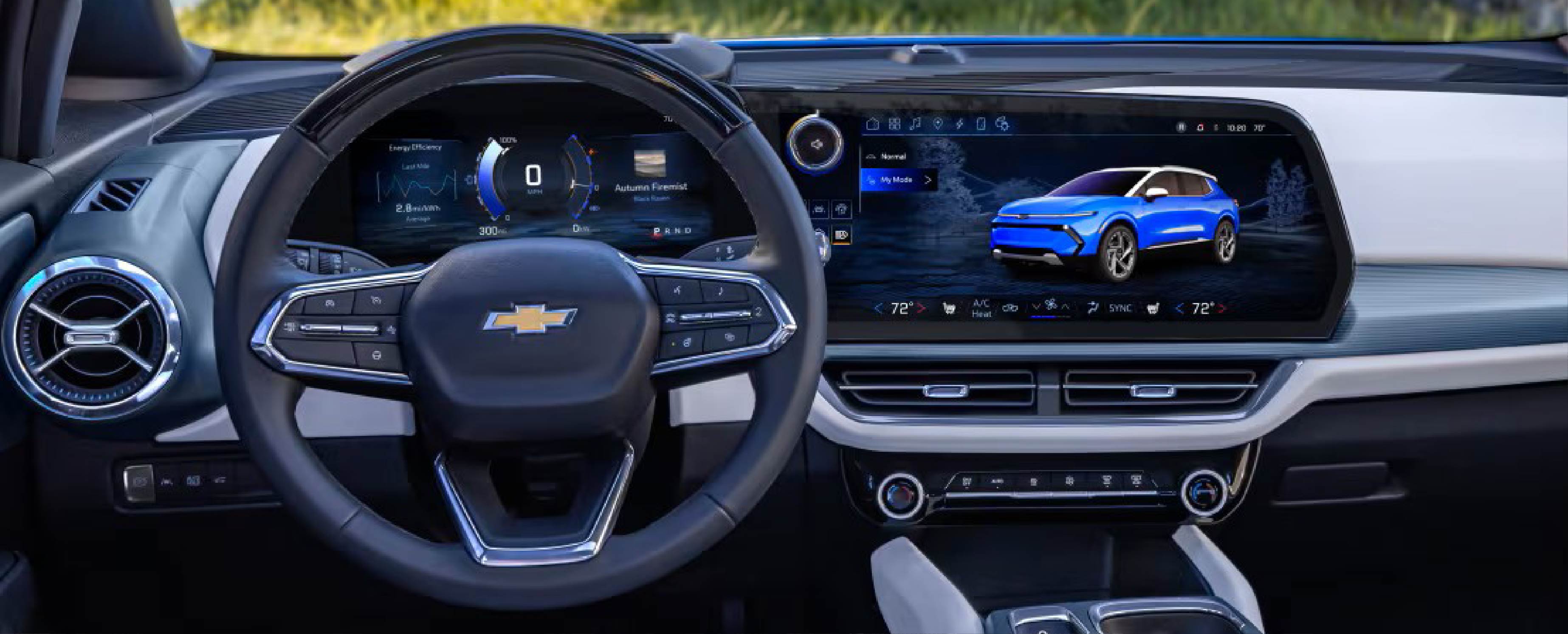
If you're a new owner of a Chevrolet Bolt EV or Bolt EUV, you've joined a growing community of Canadian drivers who value practical, affordable electric mobility. To get the most out of your Chevy, you'll need a reliable home charging station. While you have access to
over 250,000 public chargers across North America, the convenience of waking up to a full battery every morning is unbeatable.
This guide will walk you through the best Level 2 EV chargers for your Chevrolet in Canada. We'll break down the different charging levels, recommend top-rated models, and provide tips to help you make an informed decision for your home charging setup.
Understanding EV Charger Levels
Before choosing a charger, it's important to understand the different charging speeds available. Each level offers a different balance of speed and convenience.
Level 1 Charging
This is the most basic charging method, using a standard 120V household outlet.
- Speed: Adds about 5-6 miles (8-10 km) of range per hour.
- Time to Full Charge (Chevy Bolt): 45+ hours
- Best For: Emergencies or overnight top-ups when a faster option isn't available. Every new Chevy EV includes a portable Level 1 charging cable, so you always have a backup.
Level 2 Charging
Level 2 is the most common and practical solution for home charging. It operates on a 240V circuit, similar to an electric stove or dryer.
- Speed: Fully charge your Chevy Bolt EV (with its 11 kW onboard charger) in about 6–7 hours.
- Range per Hour: Adds up to 19 miles (30 km) of driving range for every hour of charge.*
- Best For: Overnight charging and daily use. You’ll wake up every morning to a full battery, ready for the road.
Level 3 (DC Fast Charging)
Also known as DC Fast Charging, this is the quickest way to charge an EV. These stations are found along highways and in public areas.
- Speed: The Chevy Bolt EV supports DC fast charging up to 55 kW, which can charge the battery from 10% to 80% in about 60 minutes.
- Best For: Long-distance road trips where you need to add significant range quickly.
Top 5 Chevrolet Level 2 Chargers
For Chevy Bolt EV and EUV owners, a Level 2 charger is the sweet spot for speed, cost, and convenience. Here are our top recommendations for the Canadian market, all of which are compatible with your vehicle's J1772 connector.
Emporia Classic
The Emporia Classic has earned recognition as an award-winning charging solution that delivers exceptional performance and value. This highly-rated charger combines reliable operation with advanced energy monitoring capabilities, allowing EV owners to track their charging costs and energy consumption with precision. The Emporia Classic's compact design, weather-resistant construction, and comprehensive smart features make it an excellent choice for homeowners seeking a balance of performance, technology, and affordability.
User Highlights for EV Owners:
- Power Output: 11.5 kW (48A)
- Connector: J1772
- Smart/App Features: Yes (energy monitoring, scheduling, cost tracking)
- Installation Types: Hardwired only (professional installation)
- Weather Rating: Excellent (NEMA 4, weather-resistant construction)
- Warranty: 3 years (comprehensive coverage)
- Price: $649-$699 (exceptional value for features)
- Charging Time: 9-11 hours (0-100%), 52 minutes (50km range)
- Special Feature: Award-winning performance with 4.9/5 expert rating
Installation Requirements
The Emporia Classic requires professional hardwired installation on a dedicated 60A circuit. This setup ensures safe operation, stable power delivery, and allows the charger to operate at its full 48A capacity, making it well-suited for permanent home or light commercial charging.
Why Choose the Emporia Classic
This charger is ideal for EV owners who want the best-rated Level 2 home EV charger with smart energy monitoring, reliable daily performance, and long-term value. It delivers the speed and consistency EV drivers expect, without the premium price tag.
ChargePoint Home Flex
The ChargePoint Home Flex stands out as the technology leader in home charging solutions, offering the most sophisticated app experience and smart features available in the market. This intelligent charging station provides comprehensive energy monitoring, flexible scheduling options, and seamless integration with utility demand response programs, allowing EV owners to optimize their charging costs while maintaining convenience. The Home Flex's superior cold-weather cable performance and robust build quality make it an excellent choice for Canadian installations, while its advanced connectivity features ensure you're always in control of your charging experience.
User Highlights for EV Owners:
- Power Output: 12 kW (50A)
- Connector: J1772
- Smart/App Features: Yes (industry-leading app, Alexa/Google integration)
- Installation Types: Both plug-in (40A) and hardwired (50A) options
- Weather Rating: Excellent (NEMA 4, superior cold-weather cable)
- Warranty: 3 years (comprehensive coverage)
- Price: $600-$700 CAD
- Charging Time: 9-12 hours (0-100%), 50 minutes (50km range)
Installation Requirements
The ChargePoint Home Flex offers flexible installation to match different electrical setups. It can be installed as a plug-in unit using a NEMA 14-50 outlet or hardwired for higher, more consistent power delivery. Hardwired installation is recommended for GMC electric truck owners who want to maximize charging performance and long-term reliability.
Why Choose the ChargePoint Home Flex
This charger is ideal for EV owners who want one of the most advanced Level 2 home EV chargers on the market. It combines fast charging, superior cold-weather performance, and unmatched smart-charging features, making it an excellent choice for drivers who value control, convenience, and future-ready technology.
Tesla Universal Wall Connector
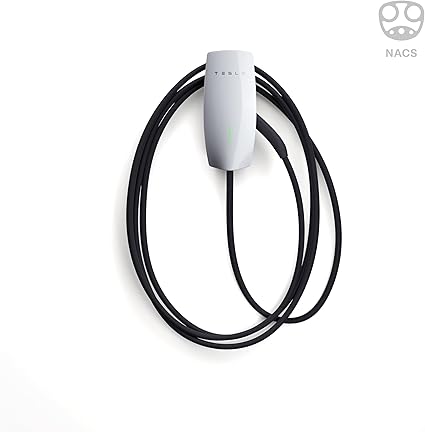
The Tesla Universal Wall Connector brings innovative design and future-proof compatibility to EV charging. Featuring Tesla's unique Magic Dock technology, this charger can accommodate both J1772 and NACS connectors without requiring separate adapters, making it an excellent choice for households with multiple electric vehicles or those planning for future EV purchases.
User Highlights for EV Owners:
- Power Output: 11.5 kW (48A)
- Connector: J1772 & NACS (Magic Dock technology, future-proof)
- Smart/App Features: Yes (Tesla app integration, scheduling)
- Installation Types: Hardwired only (professional installation)
- Weather Rating: Excellent (NEMA 4, all-weather performance)
- Warranty: 4 years (extended coverage)
- Price: $620-$850 CAD
- Charging Time: 9-11 hours (0-100%), 52 minutes (50km range)
- Special Feature: Tesla Supercharger access for EV starting June 2025
Installation Requirements
The Tesla Universal Wall Connector requires professional hardwired installation on a dedicated 60A circuit. This configuration ensures safe, consistent power delivery and allows the charger to operate at its full 48A capacity, making it suitable for high-capacity electric trucks.
Why Choose the Tesla Universal Wall Connector
This charger is ideal for EV owners who want a premium, future-ready Level 2 home EV charger. Its universal connector support, strong build quality, and long warranty make it an excellent long-term investment as North American charging standards continue to evolve.
Grizzl-E Classic and Smart
The Grizzl-E series represents exceptional Canadian value engineering, offering reliable performance and quality construction at an attractive price point. Available in both Classic and Smart variants, these chargers provide EV owners with flexible options to match their budget and feature requirements. The Smart version adds WiFi connectivity and app control while maintaining the series' reputation for durability and reliability. Built to withstand harsh Canadian conditions and backed by excellent customer support, Grizzl-E chargers offer an ideal balance of performance, features, and value for cost-conscious EV enthusiasts.
User Highlights for EV Owners:
- Power Output: 9.6 kW (40A)
- Connector: J1772
- Smart/App Features: No (Classic) / Yes (Smart version with WiFi)
- Installation Types: Both plug-in and hardwired options available
- Weather Rating: Excellent (NEMA 4, -30°C to 50°C Canadian tested)
- Warranty: 3 years standard (5 years optional upgrade)
- Price: $699-$1200 CAD (exceptional value)
- Charging Time: 11-14 hours (0-100%), 62 minutes (50km range)
Installation Requirements
The Grizzl-E Classic offer flexible installation to suit different home electrical setups. Both can be installed using a NEMA 14-50 plug or hardwired for a more permanent solution. Hardwired installation is recommended for GMC electric truck owners seeking maximum durability and long-term reliability.
Why Choose Grizzl-E Classic
These chargers are ideal for EV owners who want a Canadian-made Level 2 EV charger built to handle extreme weather conditions. Whether you prefer the no-frills reliability of the Grizzl-E Classic or the added visibility of the Grizzl-E Smart, both models deliver dependable charging performance with strong long-term value.
Comprehensive Comparison of Level 2 EV Chargers
Feature
Feature
Tesla Universal Wall connector
EVQuotes Rating
EVQuotes Rating
4.9/5
4.7/5
4.6/5
4.5/5
Power Output
Power Output
3.8-11.5kW (16A/24A/32A/40A/48A)
3.8-12kW (16A/24A/32A/40A/48A/50A)
2.9-11.5kW (12A-48A adjustale)
3.8-9.6kW (16A/24A/32A/40A)
Max Power Charge Time for 50km
Max Power Charge Time for 50km
52 minutes
50 minutes
52 minutes
62 minutes
Connector
Connector
J1772
J1772
J1772 & NACS
J1772
Smart/App Features
Smart/App Features
Energy Monitoring Scheduling
Advanced App, Alexa/Google
Tesla App Integration
Basic (Smart: WiFi enabled)
Installation Types
Installation Types
Hardwired only
Plug-in or Hardwired
Hardwired only
Plug-in or Hardwired
Weather rating
Weather rating
NEMA 4 (weather resistant)
NEMA 4 (excellent cold weather)
NEMA 4 (all weather)
NEMA 4 (Canadian tested)
Warranty
Warranty
3 years
3 years
4 years
3 years (5 optional)
User Insights
User Insights
Award-winning Performance
Top App Experience
Stylish & Versatile
Affordable & Reliable
Price(CAD)
Price(CAD)
$649-$699
$600-$700
$620-$850
$699-$1200
Which Chevy Level 2 Charger Should You Choose?
If you want maximum charging speed:
ChargePoint Home Flex - Gets your Bolt charged fastest with the best app experience.
If you're budget-conscious:
Grizzl-E Smart - Best value while still getting Canadian quality and smart features.
If you want future-proofing:
Tesla Universal Wall Connector - Supports both current and future charging standards.
If you want the best bang for your buck:
Emporia Classic - Award-winning performance at an affordable price.
Best Portable Level 1 Chevy Chargers
If you’re not ready to install a Level 2 home station or want a backup charging option for travel, Level 1 chargers still have a place. For EVs like the Chevy Bolt, a Level 1 charger can add about 5–6 km per hour, making it viable for overnight top-ups in certain situations (e.g. light daily driving or emergencies).
Top Level 1 EV Charger Options:
- Lectron Portable EV Charger: Durable construction, LED indicators
- Base Energy: Adjustable amperage, compact design
- EVDance: 12A output, weatherproof design
Feature
Feature
Lectron Level 1 J 1772 (WiFi)
Power Output
Power Output
120V, 12-16A, 1.4-1.9kW
120V/240V, 12-16A adjustable
120V, 12A, 1.4kW
Charge Time for 50km
Charge Time for 50km
5.3-7.1 hours
5.3-7.1 hours
7.1 hours
Key Features
Key Features
WiFi Enabled, App Control, Scheduling
Dual Voltage, portable, 25ft cable
UL Listed, reliable, 20ft cord
Price(CAD)
Price(CAD)
$200-$270
$120-$150
$130-$220
Best For
Best For
Smart Features & Convenience
Versatility & Travel
Maximum Reliability
Important Note: Level 1 charging is not recommended as your primary solution for high-mileage Chevy EV users. It’s best used as a backup, for overnight top-ups when daily driving demands are light, or when Level 2 installation isn’t yet possible.
Chevy EV Charger Installation Tips for Canada
Professional Installation is Essential
All Chevy EV charger installations (including plug-in and hardwired options) require professional setup by a licensed electrician to ensure safety and code compliance.
Here's what to expect when installing a GM EV charger at home:
- Electrical requirements: Dedicated 240V circuit (typically 40-60A)
- Installation cost: $500-$1,500, depending on your electrical panel distance
- Permits: Most municipalities require electrical permits
- Timeline: 1-3 days from quote to completion
Canadian Chevy EV Charger Installation Tips
- Check utility rebates: Many provinces offer rebates for EV charger installations
- Winter considerations: Ensure proper weatherproofing and cable management
- Panel capacity: Older homes may need electrical panel upgrades
- Location: Install close to where you park, but consider snow-clearing access
Plug-in vs. Hardwired
Plug-in chargers use a NEMA 14-50 outlet (like an electric dryer):
- Easier to move or upgrade
- Typically limited to 40A (9.6 kW)
- Good for renters or temporary installations
Hardwired chargers connect directly to your electrical panel:
- Support higher power levels (up to 50A+)
- More permanent and secure installation
- More permanent and secure installation
Prepare Your Home for the Next-Gen Chevy EV Charger
With Chevrolet shifting to the NACS charging standard and future models offering faster charging, it's smart to prepare now. Tesla’s NACS connector unlocks access to the largest and most reliable fast-charging network, boasting 99.95% uptime and over a decade of proven infrastructure.
To get the most out of this evolving ecosystem, choose a charger that supports both J1772 and NACS, install a 50A+ circuit, and work with certified electricians.
Getting Started with Your Chevrolet EV Charger Installation
With EV Quotes, finding the right home charger and installer is easier than ever. We provide independent advice and connect you with certified electricians in your area who specialize in EV installations.
✅ Get up to 3 free, no-obligation quotes
✅ All installers are fully qualified and top-rated
✅ Trusted by thousands of Canadian EV drivers
Many local utilities also offer rebates that can reduce installation costs by $500–$1,000, making your investment even more affordable.
Ready to upgrade your Chevy charging experience? Let EV Quotes help you compare trusted installers, find the best solution for your home. Get My Free Charger Quote
 Written by EV Quotes |
February 2026
Written by EV Quotes |
February 2026