EV Charger Installation Cost in Toronto – Get 3 Free Quotes





How It Works in 3 Easy Steps

Apply Online
Answer a few quick questions about your EV and home setup.


Get Matched with Pros
We’ll connect you with up to 3 verified, licensed installers in your area.

Compare & Hire
Review quotes, check credentials, and choose the installer that fits your needs.
Location
Reviews
Services

Go Electrical Inc.

Lia Electric Ltd

Go Electrical Inc.
Lia Electric Ltd
EV Cost Data Updated: August 23, 2026 • Based on 100+ completed EV Quotes installations
Published by: EV Quotes
Level 2 EV Charger Installation Cost in Toronto, ON
Based on original EV Quotes pricing data from more than 100 completed residential EV charger installations across Toronto and the GTA in 2026, a straightforward Level 2 home charger installation typically costs about $850 to $1,500 before HST and charger hardware. In the detailed contractor invoices we reviewed, real projects ranged from $900 for a standard installation to $1,425 for an installation with a longer wiring run and $4,430 for a project that included panel work and load management. This is why the most useful way to estimate EV charger installation cost in Toronto is by the type and complexity of the installation rather than relying on one citywide average.
Toronto homes can have very different electrical and parking conditions. A newer detached home with a 200-amp panel beside the garage may need little more than a breaker and short cable run, while an older semi with a 100-amp service, finished basement and rear parking can require a longer route, load management or panel work. Condo and commercial projects introduce another set of variables, including shared electrical infrastructure, approvals, metering and engineering.
Real EV Charger Installation Costs From 100+ EV Quotes Projects
EV charger installation prices can vary widely from one Toronto home to another. Rather than relying only on general industry estimates, EV Quotes uses pricing from more than 100 completed residential EV charger installations across Toronto and the GTA to understand what homeowners are actually paying.
Based on these completed projects, a standard Level 2 home charger installation typically costs about $850 to $1,500 before HST and charger hardware. Most straightforward installations fall near the lower or middle part of that range, while longer wiring runs, panel work and more difficult cable routes push the cost higher.
Across the detailed invoice sample we reviewed, installation labour itself was relatively consistent at roughly $500 to $700. The larger differences in total price came from wire length and size, panel capacity, panel work, load management and other electrical upgrades.
| Actual Project | Work Completed | Cost Before HST |
|---|---|---|
| Toronto — Standard Installation | EV charger installation, panel rearrangement and ESA inspection | $900* |
| Toronto — Installation With Longer Wiring Run | EV charger installation, ESA inspection, service call and #8 wire | $1,425* |
| Toronto — Installation With Electrical Upgrades | 100A panel replacement, load management, EV charger installation, ESA inspection, Toronto Hydro fees and #6 wire | $4,430* |
*Excludes separately billed EV charger hardware.
These real projects show why two Toronto homeowners can receive very different final prices. A straightforward installation with the electrical panel close to the parking area can come in under $1,000. A home that needs a longer cable run may move above $1,000, while a project involving load management or major panel work can reach several thousand dollars.
What Our Installation Data Shows
- Standard Level 2 installation: typically about $850–$1,500 before HST and charger hardware
- Installation labour: commonly about $500–$700 before additional materials and electrical work
- ESA-related cost: commonly in $95-$140 range on straightforward installations in our invoice sample, with more complex electrical projects costing more
- Wire and cable: one of the biggest variables, particularly when the electrical panel is far from the garage or parking area
- Panel and service work: can increase the project from a roughly $1,000 installation to several thousand dollars
About our pricing data: EV Quotes pricing is based on more than 100 completed residential EV charger projects across Toronto and the GTA in 2026. The detailed examples above come from contractor invoices and have been anonymized to protect homeowner privacy. Charger hardware is excluded where it is separately itemized so installation costs can be compared more accurately. Projects involving major panel or service upgrades are treated separately from standard installations. We review and update our pricing as additional projects are completed.
Toronto EV Charger Installation Cost at a Glance
The ranges below summarize the most common Toronto project types. They are planning ranges rather than fixed prices because the final quote depends on electrical capacity, cable distance, parking location and the work required to make the installation code-compliant.
| Toronto EV Charger Project | Typical Cost | What Changes the Price |
|---|---|---|
| Standard Level 2 installation | $850–$1,500+ | Short wiring run, available panel capacity, attached garage |
| Long or difficult wiring run | $1,500–$2,800+ | Finished basement, longer cable distance, exterior conduit |
| Level 2 charger + installation | $1,400–$2,000+ | Charger model, amperage and installation complexity |
| Electrical panel upgrade | $2,000–$3,500+ | Existing service, panel size and utility work required |
| Trenching or detached garage | $1,000–$2,000+ additional | Distance, excavation, conduit route and surface restoration |
| Toronto condo installation | $3,000–$10,000+ | Parking location, electrical room distance, building infrastructure and load management |
These are planning ranges, not fixed prices. Two Toronto properties on the same street can receive very different quotes because electrical capacity and the physical wiring route have a large impact on labour and material costs. The fastest way to narrow the range is to provide clear photos of the electrical panel and the location where the charger will be installed.
1. House EV Charger Installation Cost in Toronto
For detached homes, semi-detached homes and townhomes with private parking, the biggest pricing variables are usually the distance from the electrical panel to the charger, the available panel capacity and how difficult it is to route the new 240V circuit. The property type matters, but the electrical path matters more. A semi with the panel at the front of the basement and parking at the rear can cost more than a detached home with an attached garage and panel only a few feet from the charger.
Basic House Installation: $850–$1,500
A basic installation usually means the home has enough electrical capacity, the charger is relatively close to the panel, and the electrician can run the circuit through an unfinished basement, utility area or attached garage without major obstacles. This is the range where many straightforward detached, semi-detached and townhome installations fall in EV Quotes project data.
Long-Run House Installation: $1,500–$2,800+
A longer or more difficult installation can involve a rear parking pad, detached garage, finished basement, exterior conduit, a long run of heavier-gauge copper or trenching. Toronto semis and older homes with laneway parking are particularly likely to fall into this category because the electrical panel may be 50 feet or more from the vehicle.
Complex House Installation: $2,500–$5,000+
Complex residential installations usually involve an electrical capacity problem in addition to the charger circuit. The electrician may recommend an EV energy management system, panel work, a subpanel or a 100A-to-200A service upgrade. In the EV Quotes invoice sample, one Toronto project that included a panel replacement, load management, charger installation, ESA-related work, Toronto Hydro fees and #6 wire reached $4,430 before HST and charger hardware.
Older Toronto Homes: Panel Upgrade or Load Management?
Homes in established neighbourhoods like Roncesvalles, Leslieville, Riverdale, Cabbagetown and Parkdale frequently have 100-amp electrical service. Many of these homes were built before today's larger household electrical loads became common. A service that once comfortably handled the home may now also be supplying central air conditioning, electric appliances, a renovated basement and other added loads before a 32A, 40A or 48A EV charger is considered. That does not automatically mean you need a 200-amp upgrade. A licensed electrical contractor can complete a load calculation to see how much capacity the home actually has available and whether the charger can be added as-is, managed with an EVEMS, or requires a service upgrade.
If there is not enough capacity, the two common options are an EV energy management system (EVEMS), which manages charging around the home's electrical demand, or an electrical panel and service upgrade. A panel upgrade can add roughly $2,000 to $3,500+ to the project, while load management may allow some homeowners to install Level 2 charging without upgrading the entire service.
Older homes can also have previous renovations, crowded panels, unusual wiring routes, or legacy wiring that changes the scope once the electrician reviews the property. If you are already considering a panel upgrade, mention it when requesting your EV charger quotes so both projects can be assessed together.
2. Condo and Apartment EV Charger Installation Cost in Toronto
Condo and apartment charging is less about the charger itself and more about how the parking stall connects to the building. The installation can involve the condominium corporation or property manager, electrical-room access, shared infrastructure, engineering, metering, load management, fire stopping and a formal approval process. A building that already has EV-ready infrastructure can be dramatically less expensive than one starting from scratch.
Basic Condo Installation: $3,000–$5,000+
The lower end is most realistic when the building already has EV-ready infrastructure, an approved charger program or a nearby electrical source serving the parking area. The resident may mainly be paying for the branch circuit, charger, metering and the final connection to the parking stall.
Long-Run Condo Installation: $5,000–$8,000+
Costs increase when the parking stall is far from the electrical room or EV panel, conduit must cross multiple levels of a garage, fire stopping is required, or the building needs additional metering and network equipment. In condos, a “long run” can be substantially more complicated than the same cable distance in a house because the route passes through common elements.
Complex Condo Installation: $8,000–$10,000+
Complex condo projects can involve engineering review, board approval, electrical capacity studies, shared load management, new distribution equipment or upgrades to the building’s EV charging backbone. The individual stall may be only one small part of the total scope. Permitting, property-management requirements and building-specific installation standards can also affect both cost and timeline.
3. Commercial EV Charger Installation Cost in Toronto
Commercial charging can range from a few Level 2 chargers at a small office or retail property to networked fleet and multi-unit charging systems. Unlike the residential ranges above, the commercial figures below are broad planning ranges and are not part of the 100+ residential EV Quotes project dataset. Commercial projects should be priced from a site assessment because charger count, power availability, networking and utility requirements can change the scope dramatically.
Basic Commercial Installation: $5,000–$15,000+
A smaller project with two to four Level 2 chargers, nearby electrical capacity and relatively short wiring runs can often stay in the lower commercial range. Hardware choice, pedestals, bollards, networking and payment features can increase the total.
Long-Run Commercial Installation: $10,000–$30,000+
Longer conduit runs across parking lots or garages, trenching, multiple pedestals, additional distribution panels and larger quantities of copper can move a commercial installation into a much higher range even when the building has enough incoming electrical capacity.
Complex Commercial Installation: $25,000–$100,000+
Larger fleet, workplace and multi-unit projects may require engineering, transformer or service upgrades, dynamic load sharing, networked chargers, new switchgear, civil work and coordination with Toronto Hydro. At that point the project is an infrastructure build rather than a simple charger installation, so costs can extend well beyond these planning ranges.
What Actually Changes the Cost?
The charging unit itself is only one part of the project. In many Toronto homes, the biggest cost difference comes from getting a dedicated 240V circuit from the electrical panel to the parking location.
- Distance from the panel: Longer runs require more copper wire, conduit and labour.
- Panel capacity: A home with available electrical capacity is usually less expensive to prepare than one that needs load management or a service upgrade.
- Finished walls and basements: Routing cable through finished areas can require more labour because the electrician may need to avoid drywall, ceilings, plumbing and existing wiring rather than taking a direct path through an open basement or garage.
- Detached garages and outdoor parking: Underground conduit, trenching or exterior cable routes can add significantly to the project.
- Charger amperage: A 32A, 40A or 48A charger may require different circuit and conductor sizes. Higher-output charging can require heavier-gauge copper, which increases material cost, especially on a long run.
- Additional electrical work: Panel upgrades, subpanels and EV energy management systems can increase the initial cost but may be required to safely support charging.
Hidden EV Charger Installation Costs to Budget For
The advertised charger price or an electrician’s base installation price does not always represent the final project cost. When comparing Toronto EV charger quotes, check whether the following items are already included or will be added separately.
- ESA-related costs: In the EV Quotes invoice sample, straightforward ESA-related costs were commonly about $95–$140, with more complex electrical projects costing more.
- Extra wire and conduit: Long runs can add significant material cost, especially when larger conductors are required for 40A or 48A charging.
- Load management: An EVEMS can avoid a full service upgrade in some homes, but the equipment and installation add to the initial project cost.
- Panel or service upgrades: A 100A-to-200A upgrade can add several thousand dollars when the existing electrical service cannot support the charger.
- Trenching and surface restoration: Detached garages, rear parking pads and commercial parking lots may require underground conduit, excavation and repairs to landscaping, asphalt or concrete.
- Condo approvals and engineering: Property-management fees, electrical studies, drawings, metering and building-specific requirements can add costs that do not exist in a single-family home.
- Pedestals, bollards and mounting hardware: Outdoor, condo and commercial installations may require more than a simple wall mount.
- Charger hardware and network fees: The EV charger itself may be billed separately, and some commercial or multi-unit smart chargers also have ongoing network or software fees.
ESA Inspection and Electrical Safety
A permanently installed Level 2 charger is a significant electrical load and should be installed by a Licensed Electrical Contractor in accordance with the Ontario Electrical Safety Code. The contractor is responsible for the required Electrical Safety Authority notification and inspection process for the electrical work. When comparing quotes, ask whether the ESA-related cost is included and confirm what documentation you will receive when the work is complete.
Toronto Hydro's overnight electricity pricing can make home charging significantly less expensive than relying on public charging, but the installation itself should be evaluated on safety, capacity and total project cost first. Sharing a clear panel photograph and a photo of the intended charger location is one of the easiest ways to receive a more accurate initial quote.
EV Car Models Supported by Installers
Support local professionals by choosing verified installers listed on EV Quotes in Toronto. These licensed electricians offer expert EV charger installations, providing safe, efficient charging for leading electric vehicle models like Tesla and Ford.
| Make | Models |
|---|---|
| Acura | ZDX, MDX Sport Hybrid |
| Alpha Romeo | Tonale PHEV |
| Audi | Q4 e-tron / Q4 Sportback e-tron, Q8 e-tron, Q8 Sportback e-tron, e-tron GT, RS e-tron GT, Q5 TFSI e (PHEV), A7 TFSI e (PHEV) |
| BMW | i4, i5, i7, iX1, iX2, iX, 330e Sedan, 530e Sedan, X3 xDrive30e, X5 xDrive50e PHEV, XM PHEV |
| Caddilac | Lyriq |
| Chevrolet | Bolt EV, Bolt EUV, Blazer EV, Equinox EV, Silverado EV |
| Chrysler | Pacifica Hybrid (PHEV) |
| Fiat | 500e |
| Ford | Mustang Mach-E, F-150 Lightning, E-Transit Van, Escape PHEV, Lincoln Corsair PHEV |
| Genesis | GV60,GV70 Electrified, G80 Electrified |
| GM BrightDrop | Zevo 400, Zevo 600 |
| GMC | Hummer EV Pickup, Hummer EV SUV, Sierra EV Denali Edition 1, Terrain PHEV |
| Honda | Prologue EV, CR-V Hybrid |
| Hyundai | Ioniq 5, Ioniq 6, Kona Electric, Tucson PHEV, Santa Fe PHEV |
| Infinity | QX60 PHEV |
| Jaguar | I-PACE |
| Jeep | Wrangler 4xe, Grand Cherokee 4xe |
| Kia | EV6, EV9,Niro EV, Niro PHEV, Sportage PHEV, Sorento PHEV |
| Land Rover | Range Rover Sport PHEV, Range Rover PHEV |
| Lamborgini | Revuelto PHEV |
| Lexus | RZ 450e, NX 450h+ PHEV, RX 450h+ PHEV |
| Lincoln | Corsair Grand Touring PHEV, Aviator Grand Touring PHEV |
| Caddilac | Lyriq |
| Lotus | Eletre, Emeya |
| Lucid | Air |
| Mazda | MX-30 EV, CX-90 PHEV, CX-70 PHEV |
| Mercedes Bens | EQA 250 4MATIC, EQB 350 4MATIC, EQE Sedan/SUV,EQS Sedan/ UV, GLC 300e PHEV, GLE 450e PHEV |
| MINI | Cooper SE 3-Door,Countryman SE ALL4 PHEV |
| Nissan | LEAF, Ariya |
| Polestar | Polestar 2, Polestar 3 |
| Porsche | Taycan, Macan Electric, Cayenne E-Hybrid/Turbo E-Hybrid, Panamera E-Hybrid models |
| Ram | Ram 1500 Ramcharger PHEV |
| Rivian | R1T, R1S |
| Subaru | Solterra, Crosstrek PHEV |
| Tesla | Model S, Model Y, Model X, Cybertruck |
| VinFast | VF 8, VF 9 |
| Volkswagen | ID.4, Tiguan PHEV |
| Volvo | EX30, EX90, XC40 Recharge, C40 Recharge, XC60 Recharge PHEV, XC90 Recharge PHEV, S60 Recharge PHEV, V60 Recharge PHEV |
Which EV Charging Stations Should You Install ?
Our installers work with industry-leading Level 2 chargers from top manufacturers—all weather-rated, reliable, and compatible with virtually every EV on Canadian roads. For electric car charger installation in Toronto, we partner with local homeowners to match the right unit to their home and driving habits. The chargers we recommend are trusted by thousands of Toronto residents for daily reliability, smart features, and long-term durability. Check out some of our top picks below, and feel free to do your own research—the best EV charger is the one that fits your actual needs.


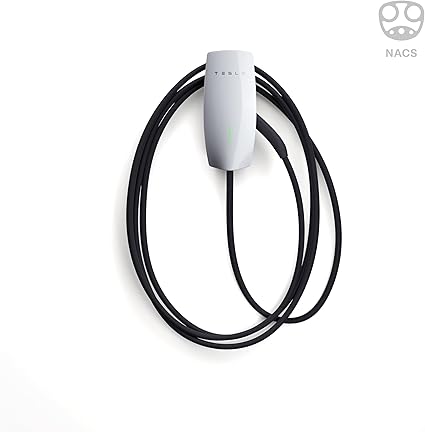

Why These EV Chargers?
- Weather-Tested for Canadian Winters
- Fully Compatible with J1772-Equipped EVs
- Smart Charging Options Available
- Reliable Warranty Support (Up to 5 Years)
- Professionally Installed by Licensed Electricians
If your home supports a 240V connection, you’re already on the path to overnight, full-range charging. If not you can take advantage of Level 1 chargers below.
Level 1 Home Chargers


EV Charging Cost & Quote Checklist
Toronto installations are more variable than almost anywhere else in the province — a Junction semi with a side-entrance carport and a Scarborough Bluffs detached with a finished basement are completely different jobs. Accurate quotes require accurate property information, and the four items below are what make the difference between a useful number and a range so wide it tells you nothing.
Four things to have ready before you call:
- A clear photo of your electrical panel showing all breakers and available spaces — this one image prevents more pricing surprises than anything else
- A photo of your regular parking spot or the wall where the charger will mount
- A rough estimate of the distance from panel to charger location — even ten feet or twenty feet is useful
- A note on whether the installation is inside a garage, on an exterior wall, or in a detached structure — each one affects materials and method differently
Why Demand for EV Charger Installation in Toronto Is Rising
Electric car charger installation Toronto is speeding up over time. In 2024, ZEVs reached about 13–16% of new sales in Canada, with Ontario contributing over one‑fifth of national registrations and Toronto volumes up more than 30% year over year. Canada targets 100% zero‑emission new sales by 2035, so home Level 2 charging is now essential. Overnight charging fits dense neighbourhoods and daily commutes, while off‑peak power lowers costs and eases range anxiety. More than 2,800 public ports exist citywide, but most drivers still rely on private or building chargers for everyday use.
Why Toronto Homeowners Use EV Quotes for EV Charger Installation
EV Quotes is an Ontario marketplace that helps homeowners compare EV charger installation options from local electrical contractors. Instead of relying on a generic national cost estimate or contacting electricians one at a time, you can submit your project details once and compare pricing based on your actual home, panel and parking setup.That is particularly useful in Toronto, where installation conditions can change dramatically from one property to the next. Our network includes Licensed Electrical Contractors with experience working on detached homes, semis, townhouses, older Toronto properties, outdoor installations and more complex electrical upgrades.
When you request an EV charger installation quote in Toronto through EV Quotes, you can:
- Compare multiple installation quotes — see how local contractors price the same project before choosing an installer
- Work with licensed electrical contractors — installers are screened for licensing and insurance
- Get pricing based on your actual property — panel capacity, cable distance and parking location are considered instead of relying on a generic estimate
- Plan related electrical work at the same time — including panel upgrades, load management and other work required to support the charger
- Review installer feedback — use homeowner reviews and project information to help compare your options
- Keep the process in one place — submit your project information once rather than repeating the same details to multiple contractors
How It Works
What to Expect from Your EV Home Charging Station Installation in Toronto
We make it easy to compare local installation options. Our process connects you with Licensed Electrical Contractors who have experience with residential EV charging.
EV Charger Installation Services in Toronto
Areas We Serve in Toronto
About Banbury–Don Mills
Banbury–Don Mills is situated near Don Mills Road and York Mills, with quick access to the DVP. You’ll find mid century houses, townhomes, and newer condos. Many homes support a 240 volt circuit, so EV ready parking is common.
EV Charging in Banbury–Don Mills
Public Level 2 chargers are located near shops and community sites. Newer buildings add EV ready stalls with smart sharing. The final cost to charge EV depends on panel size, wiring route, and distance to the parking spot.
Key Charging Demand Zones
Shops at Don Mills, Don Mills office corridor, York Mills–Leslie medical area, community centres and ravine trailheads, condo clusters along Eglinton–Don Mills.
About Bridle Path
Bridle Path is a quiet Toronto area with large homes and wide lots. Most properties have private driveways and garages, which makes home charging simple. Many owners add higher power chargers and neat wiring routes that keep the home’s look clean and elegant.
EV Charging in Bridle Path
Homeowners often choose 48 amp Level 2 chargers for faster daily charging. Sub panels, weather rated boxes, and surge protection improve safety and reliability. Guest charging is also easy with a second circuit. Good cable management keeps walls and driveways tidy.
Key Charging Demand Zones
Park Lane Circle homes, Bayview–York Mills schools and institutions, nearby trail entrances, private schools, and small local shopping areas.
About Cabbagetown
Cabbagetown has narrow streets, laneways, and many heritage homes. Driveways are limited, so compact chargers and careful wiring work best. Older panels may need a safety check and an upgrade before adding a 240 volt circuit for a home charger.
EV Charging in Cabbagetown
Shared or curbside parking needs simple, space saving setups like pedestal mounts and slim conduit. Smart load sharing helps buildings with limited capacity. Condo conversions usually require board approval and a clear metering plan for fair billing.
Key Charging Demand Zones
Parliament Street shops, Riverdale Park, local community centres, heritage condo conversions, and the Gerrard Street corridor.
About Casa Loma
Casa Loma is situated on hilly streets with many detached homes. Runs from the electrical panel to the garage can be short or long, so planning is essential. Many owners prefer low visibility wiring and neat finishes to protect the home’s classic look.
EV Charging in Casa Loma
Outdoor rated boxes, GFCI protection, and tidy cable holders work well for open driveways. Finished basements can change the wiring route and the final cost to charge EV. Clear photos can help installers choose the best path.
Key Charging Demand Zones
Casa Loma castle area, St. Clair–Spadina retail, Dupont workshops and studios, and mid rise condos along St. Clair.
About Don Mills
Don Mills is a planned Toronto community with quiet streets, parks, and local offices. Many homes are bungalows or side splits with garages, which makes EV wiring runs short and tidy. Installers can add a 240 volt circuit after a quick panel check.
EV Charging in Don Mills
Level 2 home charging is effective here due to the short distances and straightforward access. Smart load controllers are particularly helpful when older panels have limited space. Larger workplaces on Don Mills Road often use networked chargers to manage fleets and visitor parking.
Key Charging Demand Zones
Don Mills Road business parks, local schools and arenas, Eglinton transit nodes, and community centres and recreation hubs.
About Downtown
High rise living and paid parking dominate, pushing MURB infrastructure and managed load sharing. Demand is steady for dedicated, metered EV stalls.
EV Charging in Downtown
Downtown condos usually need a board approval process, a load study, fire stopping, and a clear billing plan. Public fast chargers are available near major parking garages, but a Level 2 charger at home is the dependable, everyday option for most drivers.
Key Charging Demand Zones
Financial District garages, university campuses, hospital row, Union Station precinct.
About East Danforth
East Danforth is located along Main Street and Danforth Avenue with strong transit links. Homes include older semis, new condos, and some townhomes. Many lanes allow neat wall mount or pedestal chargers with lockable holders. Short wiring runs help control EV charging cost and keep work simple.
EV Charging in East Danforth
Homes with updated panels usually allow fast, clean installations. Finished rooms can slow work because wiring routes are tighter and need more care. Public curbside charging is limited, so most drivers charge on private driveways or in building garages for daily needs.
Key Charging Demand Zones
Main–Danforth shops, GO and TTC stations, local community centres, and condo buildings near transit stops.
About East York
East York has many post war bungalows and family homes with private or shared driveways. Most garages and panels make Level 2 home charging practical and affordable. A quick load check confirms capacity, so upgrades are only needed when service is already near its limit.
EV Charging in East York
A 40 amp Level 2 circuit suits most daily driving needs. Weather rated chargers and fittings work well on outdoor pads and carports. Clear photos of your panel and parking spot help the installer plan the safest and shortest wiring path.
Key Charging Demand Zones
Coxwell–O’Connor civic sites, busy retail streets, local schools, and new townhome clusters.
About Eglinton West
Eglinton West is growing along the Crosstown line with new mid rise homes and shops. Parking varies by building and street, so homes and condos need different charging plans. Clear photos and simple site details help installers plan safe, efficient work.
EV Charging in Eglinton West
Condo projects add shared wiring, panels, and network systems to serve many stalls. Houses often use compact wall mounted chargers near driveways to shorten wiring runs. Weather rated gear and tidy cable holders keep outdoor setups safe and neat.
Key Charging Demand Zones
Allen–Eglinton interchange, station areas, busy retail plazas, and mid rise clusters along Eglinton.
About Flemingdon Park
Flemingdon Park has many high‑rise apartments and co‑ops with limited reserved parking. Shared charging works best here. Central wiring and fair load sharing help more residents plug in without long waits. Clear plans keep EV charging costs and timelines under control.
EV Charging in Flemingdon Park
Shared stations with simple card access make billing easy for residents. A clear policy explains who pays for energy and maintenance. Grants can support early phases, such as main risers and panels, making later stall hookups less expensive and faster.
Key Charging Demand Zones
Don Mills–Eglinton hub, community centres, nearby school campuses, and the Ontario Science Centre area.
About Forest Hill North
Forest Hill North has quiet streets, driveways, and garages that suit neat home charging. Many owners choose higher power chargers with clean, low profile wiring to match the neighbourhood’s classic look. Careful planning keeps equipment safe, reliable, and easy to use in all seasons.
EV Charging in Forest Hill North
A second sub panel and surge protection help when charging more than one EV. Whole home monitoring keeps usage clear and simple. Mounts and wiring routes account for winter snow and ice, so outdoor chargers stay safe, tidy, and easy to reach.
Key Charging Demand Zones
Eglinton–Bathurst retail, nearby school campuses, future station areas, and mid rise clusters.
About Graydon Hall
Graydon Hall is situated near park ravines, rental towers, and office campuses. Parking is mixed, so buildings and homes need different charging plans. Clear photos of panels and parking spots enable installers to design safe, simple routes, making the cost to install an EV charger at home in Canada more predictable.
EV Charging in Graydon Hall
Apartments and condos work best with shared wiring, central panels, and simple access cards for fair billing. Phased upgrades lower the cost per stall over time. For houses, careful routing around finished rooms keeps the project tidy and within budget.
Key Charging Demand Zones
Graydon Hall Drive offices, Don Mills–Highway 401 interchanges, trailheads and parks, and nearby rental towers.
About Lawrence Park
Lawrence Park has many detached homes with rear garages and neat driveways. Short wiring runs make home charging simple and tidy. When adding more electric upgrades, some homes need a service upgrade to keep everything safe and reliable.
EV Charging in Lawrence Park
A 48 amp Level 2 charger suits most daily driving. Pedestal mounts work well for shared or rear lane parking. Homeowners often choose hardware that blends with the exterior and keeps cables organized and out of sight.
Key Charging Demand Zones
Yonge–Lawrence retail, nearby station areas, local school zones, and small parkettes.
About Leaside
Leaside has many renovated semis and new homes, so it’s well prepared for home charging. Laneways make neat rear yard installs easy. Most houses support short wiring runs that keep work simple, safe, and tidy.
EV Charging in Leaside
Finished basements often push wiring outside to avoid tearing walls. Running conduit along gutters protects siding and reduces repairs. Set smart charging schedules to use lower off peak rates, so you cut monthly costs while keeping overnight charging simple, safe, and reliable.
Key Charging Demand Zones
Bayview Avenue shops, the Laird industrial retail strip, Eglinton transit nodes, and local community rinks.
About Leslieville
Leslieville blends lofts, semis, and townhomes with lively shops and studios. Many homes have limited or shared parking, so compact chargers and clean wiring work best. But you must send clear photos of your panel and parking spot to help experts plan a fast, tidy installation that fits your space.
EV Charging in Leslieville
Choose weather rated, lockable chargers for outdoor spaces. For townhomes, follow community rules on placement and appearance. Smart scheduling helps manage costs and shared capacity. Short wiring runs and clean cable holders keep setups safe, neat, and easy to use.
Key Charging Demand Zones
Queen Street East shops, studio districts, East Harbour growth area, and local parks and recreation centres.
About Little Italy
Little Italy has small lots, laneways, and many older homes. So, compact chargers and short, clean wiring work best here. Discreet placement protects the look of brick fronts and porches, so equipment blends in and stays safe.
EV Charging in Little Italy
Use a dedicated circuit to protect older wiring and ensure smooth charging. For shared spaces, add simple access control to manage use and costs. Clear photos help professionals plan a tidy, fast installation with minimal drilling.
Key Charging Demand Zones
College Street shops and cafes, Bickford Park, mid rise buildings on side streets, and local community centres.
About Midtown Toronto
Midtown Toronto is busy and well connected, with many condos, offices, and shops. New buildings keep rising near transit. Most homes and condos need clear plans for parking and power so charging is simple, safe, and quick to use every day.
EV Charging in Midtown Toronto
Condo projects use shared wiring, central panels, and simple access systems to serve many drivers. Homes often use short runs to the garage with a 40 amp Level 2 charger. Clean cable holders and weather rated parts keep outdoor setups neat and reliable.
Key Charging Demand Zones
Yonge–Eglinton, Davisville, major office towers, and busy retail concourses.
About North Toronto
North Toronto has quiet residential blocks with garages and shared driveways. Short, direct wiring runs keep the cost to install an EV charger at home in Canada down and minimize wall repairs. Clear photos of your panel and parking spot help electrical professionals plan a neat, safe setup that fits your home.
EV Charging in North Toronto
Many homes can add a 240 volt circuit without a full service upgrade. When capacity is tight, smart load management keeps everything safe and balanced. A 40 amp Level 2 charger suits daily driving and works well with short runs to the garage.
Key Charging Demand Zones
Yonge Street retail, nearby school clusters, community centres, and station areas.
About Parkdale
Parkdale blends apartments, semis, and creative studios on busy, walkable streets. Parking is often shared or in laneways, so home charging plans need simple routes and secure hardware. Clear photos of your panel and parking spot help installers design fast, tidy setups that suit each property.
EV Charging in Parkdale
Use tamper resistant chargers and managed access for shared spots. Simple key or card systems control use and costs. Grants can help buildings add main wiring first, then connect stalls in phases to lower per stall costs over time.
Key Charging Demand Zones
Queen Street West, Roncesvalles fringe, local arts venues, and lakeshore recreation areas.
About Parkwoods
Parkwoods has winding streets, ravines, and many homes with driveways that suit wall mounted chargers. Electrical panels vary by house age and past renovations, so a quick check helps set the right plan and budget before work begins.
EV Charging in Parkwoods
An electrician reviews panel capacity before installing a 48 amp Level 2 circuit. Pedestal mounts work well for shared pads or multi car driveways. Snow, drainage, and mounting height guide outdoor placement so equipment stays safe, neat, and easy to use in winter.
Key Charging Demand Zones
York Mills–DVP junctions, local shopping plazas, nearby schools, and active community hubs.
About Riverdale
Riverdale has many semis and rowhouses with limited on site parking. Compact, smart chargers fit small spaces and keep streetscapes neat. Clear photos of your panel and parking spot help plan a clean install that protects interior walls and finishes.
EV Charging in Riverdale
External conduit keeps wiring outside and reduces patching. Use scheduled charging to take advantage of off peak electricity rates. In condos, set clear metering and billing so costs stay fair for everyone.
Key Charging Demand Zones
Danforth–Broadview retail, the local park system, nearby schools, and growing condo pockets.
About South Riverdale
South Riverdale blends old factories with new condos and townhomes. Parking options change from street spots to shared garages, so homes and buildings need different charging solutions. Clear photos of panels and parking areas help plan a safe, simple charger installation for every home.
EV Charging in South Riverdale
Shared garages and parking lots need easy access to chargers for all users. Networked systems with cards or apps control who can charge and track costs. Weatherproof hardware is important for outdoor and exposed locations, keeping everything working year round.
Key Charging Demand Zones
Leslieville edges, Queen Street East, the local film district, and new buildings near the Port Lands.
About Sunnyside
Sunnyside is situated on Toronto’s lakefront with parks, trails, apartments, and heritage homes. Lake wind and salt can wear down metal parts. Homeowners here choose durable chargers with tight seals and neat mounts to protect equipment and keep exteriors clean and tidy.
EV Charging in Sunnyside
Use corrosion resistant hardware, sealed fittings, and solid wall anchors for long life. Keep cables organized and off the ground. Major roads nearby offer public fast charging for quick top ups on busy days.
Key Charging Demand Zones
Lakeshore trailheads, key transit corridors, condo mid rises, and popular waterfront parks.
About The Beaches
The Beaches is situated beside Lake Ontario with driveways, laneways, and many older homes. Moist air and strong winds can wear parts faster. You can choose sturdy chargers here with tight seals and neat mounts to protect equipment and keep the home’s look clean.
EV Charging in The Beaches
Use outdoor rated Level 2 chargers with GFCI protection and drip loops to prevent water issues. Good cable management is particularly helpful on small lots and shared lanes. Clear photos of your panel and parking spot enable installers to plan a safe and tidy route.
Key Charging Demand Zones
Queen Street East shops, Kew Gardens, boardwalk and beach access points, and nearby school areas.
About Upper Beaches
The Upper Beaches have many townhomes and semi detached houses with changing electrical needs. Small front pads and shared lanes are standard. Smart load sharing lets many homes add charging without a complete service upgrade, so costs stay reasonable and work finishes faster.
EV Charging in Upper Beaches
Short wiring runs to front parking spots are typical. Installers plan routes that protect the home’s look and avoid extra wall work. Outdoor rated Level 2 chargers with tidy cable holders keep setups safe, neat, and easy to use in tight spaces.
Key Charging Demand Zones
Danforth–Kingston shops and services, local community centres, new infill developments, and nearby station areas.
About Weston
Weston has older houses with driveways and several apartment buildings. Many homeowners choose simple, durable chargers that work well for years. Clear photos of your panel and parking spot help plan a neat, safe install that avoids extra wall work and surprise costs.
EV Charging in Weston
Panel upgrades often happen when adding other electric upgrades at home. Theft resistant mounts and lockable chargers protect shared or outdoor spots. A 40 amp Level 2 charger suits daily use and keeps charging fast, predictable, and easy for most drivers.
Key Charging Demand Zones
Weston GO station area, Main Street retail, local civic facilities, and nearby apartment towers.
About York
York has many low rise apartments and multi tenant houses that share parking. Clear plans for permits and billing come first, so everyone knows how charging works and who pays. Simple, durable equipment keeps maintenance low and service reliable.
EV Charging in York
Apartments and rentals benefit from shared wiring, central panels, and clear access rules. This allows more drivers to charge without delays. Single family homes use short, direct wiring runs to the driveway or garage for safe, tidy installs.
Key Charging Demand Zones
Eglinton Avenue corridor, local retail streets, busy community hubs, and growing mid rise clusters.
About York Mills
York Mills has large lots, quiet streets, and many detached homes with private parking. These homes support higher power chargers and neat, low profile wiring. A small sub panel is a smart add for future EVs, backup power, or other electric upgrades.
EV Charging in York Mills
Choose weather proof enclosures and discreet conduit to protect curb appeal. Smart charging schedules reduce peak costs and balance whole home use. Clear photos of the panel and parking spot help plan a safe, tidy route with minimal wall work.
Key Charging Demand Zones
York Mills Centre, nearby schools and private clubs, highway access points, and local office nodes.
Compare Installers Before You Choose

Verified Installers
Installers are screened for electrical contractor licensing and insurance before being listed on EV Quotes.

Transparent Pricing
Compare up to 3 quotes side by side and review what each contractor includes in the price.

Fast Response Time
Get matched with local installers quickly so you can start charging sooner.

Trusted Reviews
See homeowner feedback and use it alongside price and project scope when comparing installers.
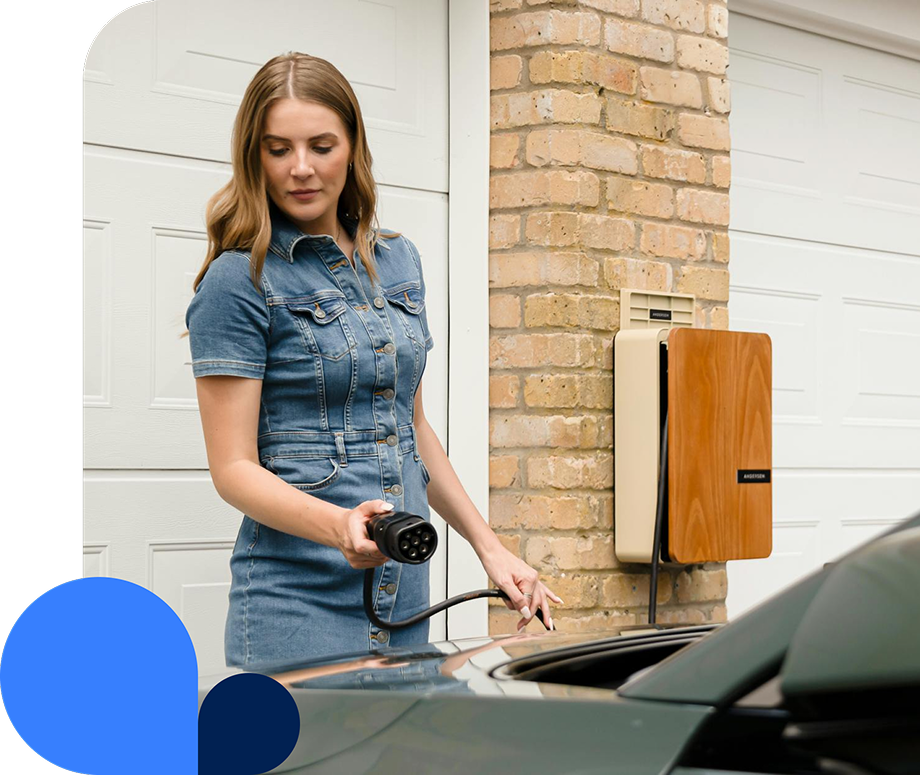
Get Your Free EV Charger Installation Estimate
Get up to three free quotes from licensed Toronto electricians. Tell us about your home and the charger you want. We’ll match you with trusted local experts fast. Review clear prices, choose with confidence, and start charging at home sooner with safe, tidy, code compliant work.
Frequently Asked Questions
Level 1 charging uses a standard 120-volt wall outlet and delivers roughly 5 to 8 km of range per hour — usable only for drivers with very low daily mileage who never take the car outside the immediate GTA. A single weekend trip to Niagara or Muskoka breaks a Level 1 setup for the following week.
Level 2 charging (240-volt, 30 to 48 amps) delivers 40 to 50 km of range per hour, which fully replenishes any EV overnight on Toronto Hydro’s Ultra-Low Overnight rate. It is the universal default for Toronto home installations.
DC fast charging (Level 3) is commercial equipment — the stations along the 400-series highways and at major destinations. It is too expensive for residential use and, more importantly, the frequent use of DC fast charging modestly accelerates battery degradation compared to Level 2 overnight charging. Pair Level 2 at home with Toronto Hydro ULO rates and DC fast charging for road trips — that combination is what most Toronto EV owners end up on by year two.