EV Electric Charger Installation
in Pickering by Verified Local Electricians




How It Works in 3 Easy Steps

Apply Online
Answer a few quick questions about your EV and home setup.


Get Matched with Pros
We’ll connect you with up to 3 verified, licensed installers in your area.

Compare & Hire
Review quotes, check credentials, and choose the installer that fits your needs.
Location
Reviews
Services

Canadian Expert Electricians
Lia Electric Ltd

Northcliffe Electric
Service First Electric
Canadian Expert Electricians
Lia Electric Ltd
Northcliffe Electric
Service First Electric
EV Charger Installation Cost in Pickering, ON
How much does it cost to install an EV charger in Pickering? Like every Durham Region community, the answer lives in your home's electrical setup — not a one-size-fits-all number. Across Pickering in 2026, most homeowners pay between $1,500 and $3,000 CAD for a complete installation.
Level 2 charger installation cost, covering the charger unit, labour, wiring, conduit, and the Electrical Safety Authority permit. Straightforward setups with the panel close to the garage and no upgrades needed regularly land at the lower end. Add wiring distance or outdoor work, and costs climb accordingly.
Older Waterfront Homes in Bay Ridges and Rosebank
These are some of Pickering's most characterful neighbourhoods — and also the ones most likely to carry aging electrical infrastructure. Homes in Bay Ridges, Rosebank, and West Shore frequently feature outdated 100-amp panels or older knob-and-tube wiring that cannot safely support a dedicated Level 2 charging circuit. A full 100-amp to 200-amp panel upgrade in Pickering typically adds $1,500 to $3,000 to the project total before the charger installation even begins. A licensed electrician will confirm this requirement during a load calculation — well before any work starts.
What Drives Your Final EV Charger Installation Cost
Three things consistently move the number. First, wiring distance: every additional metre of cable run from your panel to the charger adds $75 to $150 in materials and labour. Second, wall construction: open framing in an unfinished garage is faster and less expensive than routing through finished drywall. Third, panel capacity — newer Pickering builds in Duffin Heights and Seaton with 200-amp panels are installation-ready from day one, while older properties near Liverpool Road and Kingston Road often require additional assessment first.
Labour across Pickering and the broader Durham Region runs $90 to $130 per hour, with most installations completing in four to eight hours. Ontario's provincial incentive programs can offset a meaningful portion of your EV charger installation cost — engaging a licensed electrician early gives you the best chance of capturing those savings before funding cycles close.
The single best thing you can do before requesting a quote is photograph your electrical panel clearly and note the distance to your regular parking spot. Those two details produce reliable first-time pricing — no surprises, no revisions, no back-and-forth.
| Installation Type | Estimated Price |
|---|---|
| Standard Level 2 Install | $850 – $1,200+ |
| Charger + Installation Bundle | $1,400 – $2,000+ |
| Panel Upgrade (100A to 200A) | $2,000 – $3,500+ |
| Trenching (Outdoor Garage or Detached) | $1,000 – $2,000+ |
| Condo / MURB Installation | Custom Quote Required |
Why EV Quotes Is Pickering’s Trusted Choice for EV Charger Installation
Pickering drivers trust EV Quotes for top-level EV charger installation because the process is simple, safe, and transparent. Licensed, best reviewed, and insured electricians manage permits, a careful site check, and a clean route that protects brick, siding, and finished rooms. You compare clear quotes, choose the timeline, and get neat, code‑compliant work the first time. Whether you need a compact Level 2 in a townhouse or a full electric car charger installation in Pickering for a driveway, the team sizes circuits correctly and guides rebates, smart load control, and off‑peak scheduling to lower the cost to charge EV and long‑term EV charger installation cost.
What you get with EV Quotes:
- Multiple quotes with clear scope and timelines
- Licensed local pros with proven residential experience
- Level 1 and Level 2 options, smart load sharing
- Exterior routing that minimizes drywall cuts and mess
- Condo drawings, metering plans, and board approvals handled
- Weather‑rated hardware for lake winds and winter freeze‑thaw
- Straightforward guidance on rebates and paperwork
- Tips to reduce the cost to charge EV using time‑of‑use
- Post‑install labelling, support, and quick warranty service
- Scalable plans for a second EV without upgrades
Why EV demand is rising in Pickering
EV demand is rising in Pickering because drivers now combine cheaper overnight charging at home with a denser public network for backup and errands across the city. Canada’s zero‑emission share reached about 18.9% in Q4‑2024, and that national momentum is flowing into local purchase decisions and home upgrades. Within 15 km of Pickering, there are roughly 79 public charging ports, and 67% are Level 2, which reduces wait times and range anxiety for daily routines. The City also installed Level 3 and Level 2 stations at the Chestnut Hill Recreation Complex, with posted user fees that keep costs transparent for occasional top‑ups. Overnight Ultra‑Low rates as low as 3.9¢/kWh from 11 p.m. to 7 a.m. make home Level 2 the most economical daily choice. And when speed matters, on‑site DC fast chargers can push many batteries to 80% in about 30 minutes, which reassures commuters and visitors alike.
EV Charger Installation Services in Pickering
Areas We Serve in Pickering
About Altona
Altona’s quiet streets and newer homes make planning simple. Panels often sit close to garages, so cable runs stay short and tidy. Exterior conduit protects brick and siding, and it speeds approvals. Add surge protection and clear labels to keep service quick. If a second EV is likely, install a small sub‑panel now to avoid rework later.
EV Charging in Altona
Mount the charger above the splash and snow lines for year‑round reliability. Choose a compact wallbox and use a cable dock to keep walkways clear. Schedule off‑peak charging to steady bills and finish before morning drives. Plan space for load sharing so two cars can top up overnight without a panel upgrade.
Key Charging Demand Zones
Rouge Park edges, Altona Road corridors, local schools.
About Atha Road
Large lots and wide side yards make exterior cable runs simple and tidy. Keep bends to a minimum for faster work and a cleaner look. Always mark utility locates before any trenching. Choose weather‑rated enclosures and sealed wall entries. They block moisture during spring thaws, summer storms, and early freeze‑ups.
EV Charging in Atha Road
Mount the charger within easy reach, away from hose spray and downspouts. Add a spare conduit now, so a second EV or future upgrades are painless later. Use a cable dock to protect cords. Schedule off‑peak charging to keep monthly costs steady. Label the breaker clearly for quick service.
Key Charging Demand Zones
Rural concessions, trail links, community hubs.
About Balsam
Mixed housing and mature trees call for discreet conduit routes that protect brick, siding, and trim. Keep cables off walkways to prevent trips, and label every circuit for quick inspections and simple future service. A compact, well‑placed wallbox preserves curb appeal and keeps daily charging smooth.
EV Charging in Balsam
Choose corrosion‑resistant fasteners, weather‑rated fittings, and sealed entries to block moisture. Use load sharing to support a second EV or heat pump without a costly service upgrade. Schedule off‑peak charging to steady monthly bills, then dock the cable after use to avoid kinks and salt damage through winter.
Key Charging Demand Zones
Local parks, residential pockets, retail edges.
About Cherrywood
Heritage streets and smaller lots call for careful planning that keeps façades clean and driveways clear. Use low‑profile, colour‑matched conduit and compact wallboxes to blend with brick and siding. Exterior routing often avoids drywall cuts and dust. Label the dedicated breaker for quick service. Plan a simple, direct path from panel to parking to lower EV charger installation cost and time.
EV Charging in Cherrywood
Mount the charger above the splash and snow lines for year‑round protection. Add GFCI where exposure exists. Dock cables to prevent tangles in narrow driveways. Set smart schedules to charge off‑peak and finish before school runs. Consider load sharing if a second EV is coming. Add surge protection for winter blips.
Key Charging Demand Zones
Cherrywood greenspace, community lanes, village core.
About Clarkes Hollow
Detached garages and long driveways are common, so plan straight conduit routes to cut bends and cost. Trench below frost lines to stop winter heave. Add a spare conduit during any dig to avoid future rework. Place the disconnect at eye level near the charger for fast service. Take clear photos of the panel, route, and parking to speed approvals.
EV Charging in Clarkes Hollow
Use rigid conduit at grade for strength and stainless fasteners for long life. Seal wall entries and label breakers for quick troubleshooting. Load sharing lets two cars charge overnight without a service upgrade. Dock cables to prevent kinks and trips.
Key Charging Demand Zones
Rural lanes, farmsteads, conservation links.
About Dixie
Post‑war streets in Dixie don’t all follow the same plan. Start with a simple route that avoids finished rooms and tight corners. Exterior conduit keeps walls intact and speeds inspections. Place a small sub‑panel near the parking if you expect more electric loads. You’ll be ready for a second EV without tearing things open.
EV Charging in Dixie
The weather can be gusty along Kingston Road. Seal wall entries and add drip loops so water runs off. Schedule off‑peak charging to control monthly EV charging cost. Label every circuit and the breaker clearly. Mount the charger above the splash and snow lines. Dock the cable to prevent kinks and trips.
Key Charging Demand Zones
Kingston Road corridors, retail nodes, transit links.
About Dunbarton
Brick fronts and side driveways suit colour‑matched conduit and compact wallboxes. Short, direct runs from panel to parking cut labour and keep interiors untouched. Plan routes that avoid masonry details and keep cables off footpaths. Label the breaker for quick service. Choose tidy hardware that blends with brick and siding.
EV Charging in Dunbarton
Mount the charger above the splash and snow lines for winter reliability. Use weather‑rated fittings and a cable dock to keep cords off walkways. Add surge protection at the panel. Post clear stall signage in shared lots. Enable smart load control so evening cooking and charging can coexist without tripping.
Key Charging Demand Zones
Church Street area, school clusters, neighbourhood parks.
About Milliken
Townhouses and mixed‑use sites need clear approvals and metering plans. Start with photos of the electrical room, the route to stalls, and each parking bay. This speeds reviews and shortens timelines. Use load sharing to add more bays without a new service. It balances demand at night, keeps costs stable, and fits Milliken’s busy streets.
EV Charging in Milliken
Choose lockable wallboxes for shared garages. Keep cables off walkways with docks to reduce trips. Post stall IDs and a help number so service stays fast. Set off‑peak schedules that finish before morning commutes. Review usage logs monthly to keep access fair and resolve issues before they grow.
Key Charging Demand Zones
Retail corridors, transit spines, community centres.
About Mt Zion
Rural edges and open winds demand tough, weather‑rated enclosures, stainless fasteners, and sturdy mounts that won’t loosen in freeze‑thaw cycles. Plan short, straight routes from panel to parking to save time and drywall. Verify utility locates before any digging, then seal wall entries and add drip loops to keep water out. Keep cable paths visible and safe around gates, tractors, and long driveways for smooth daily use.
EV Charging in Mt Zion
Mount the charger above splash and snow lines for year‑round reach and safety. Use rigid conduit at grade to resist impacts and heave. Pull a spare conduit now for a future second EV. Schedule off‑peak charging in the app, label the breaker clearly, and dock the cable to prevent kinks.
Key Charging Demand Zones
Country roads, trailheads, local gathering spots.
About Whitevale
Historic streets and heritage homes call for careful planning that respects stone, clapboard, and classic trim. Choose discreet exterior routes to keep interiors intact and reduce mess. Keep runs short, minimize bends, and place equipment where it blends with façades. The result looks clean and feels natural in the village setting.
EV Charging in Whitevale
Use colour‑matched conduit and sealed wall entries to protect finishes and stop moisture. Mount above the splash and snow lines. Label the breaker clearly and keep a one‑page circuit map inside the panel. Add a cable dock to prevent kinks. Schedule off‑peak charging so mornings start with a full battery and a clear driveway.
Key Charging Demand Zones
Whitevale Road village core, valley trails, heritage sites.
What Affects EV Charger Installation Cost in Pickering
Pickering spans everything from established post-war homes in Rouge Hill and West Shore to newer Seaton community builds in the north and lakefront properties along Kingston Road. That range means EV charger installation cost in Pickering genuinely varies — and the variation comes from the property, not from the installer's pricing preferences.
The main cost variables:
- Panel age and service capacity — older Pickering homes near the waterfront sometimes carry 100-amp service that needs a load calculation and possibly an upgrade
- Cable run distance — newer Seaton homes with short runs to an attached garage differ significantly from older Rouge Hill properties with longer routing through finished walls
- Lakefront and exterior conditions — properties near the waterfront on Frenchman's Bay require weatherproof hardware rated for lake-effect wind and moisture
- Detached garages and carports — underground conduit and separate permit requirements apply whenever the charger cannot be wired directly from an attached structure
What a Clean Install Should Look Like
A properly completed Pickering installation disappears into the background after the first week. The mount is solid, the cable is clean, and the breaker is labelled. If an inspector or a future owner ever needs to identify the EV circuit, they find it in seconds without searching the panel.
Finishing details that matter:
- Charger mounted at a natural working height — comfortable to reach daily without bending or stretching
- Cable runs that are tight, straight, and clipped at regular intervals — nothing loose, nothing improvised
- Breaker labelled clearly and permanently so any electrician or inspector can find the EV circuit in seconds
- A full handover walkthrough covering daily operation, the mobile app if applicable, and cold-weather charging tips for Pickering’s winters
EV Charging Cost & Quote Checklist
A little prep work on your end pays off fast. Pickering installers can move from initial request to a firm quote within a day when the basics below are in hand — and Pickering's Seaton development adds thousands of brand-new homes each year with modern panels, while its lakefront communities trend older and sometimes need careful load-calculation work.
Information to have on hand for your Pickering installer:
- Approximate age of the house and any renovations that touched the electrical service — Pickering's Seaton development adds thousands of brand-new homes each year with modern panels, while its lakefront communities trend older and sometimes need careful load-calculation work.
- A clear photo of the panel interior showing the main breaker amperage, all branch breakers, and any empty slots.
- A photo of the proposed charger location from a metre or two back, plus a rough distance to the panel measured in feet or metres.
- Whether you expect to install a second charger in the future — same home or, for Rosebank multi-unit owners, the next parking stall over. Planning for it now is cheaper than redoing conduit later.
How It Works
What to Expect from Your EV Home Charging Station Installation in Pickering
If you've ever tried coordinating an electrician cold in Pickering, you know the back-and-forth that can eat a week. EV Quotes collapses that into a four-step flow that ends with a licensed installer on your driveway and a live Level-2 charger on your wall.
EV Car Models Supported by Installers
Charging compatibility is rarely the hard part. Every licensed Pickering electrician on EV Quotes has installed stations for Tesla, Ford Mustang Mach-E and F-150 Lightning, Hyundai IONIQ, Kia EV6, Chevrolet, Polestar, BMW, and the rest of today's Canadian EV lineup — all under Elexicon Energy rules.
| Make | Models |
|---|---|
| Acura | ZDX, MDX Sport Hybrid |
| Alpha Romeo | Tonale PHEV |
| Audi | Q4 e-tron / Q4 Sportback e-tron, Q8 e-tron, Q8 Sportback e-tron, e-tron GT, RS e-tron GT, Q5 TFSI e (PHEV), A7 TFSI e (PHEV) |
| BMW | i4, i5, i7, iX1, iX2, iX, 330e Sedan, 530e Sedan, X3 xDrive30e, X5 xDrive50e PHEV, XM PHEV |
| Caddilac | Lyriq |
| Chevrolet | Bolt EV, Bolt EUV, Blazer EV, Equinox EV, Silverado EV |
| Chrysler | Pacifica Hybrid (PHEV) |
| Fiat | 500e |
| Ford | Mustang Mach-E, F-150 Lightning, E-Transit Van, Escape PHEV, Lincoln Corsair PHEV |
| Genesis | GV60,GV70 Electrified, G80 Electrified |
| GM BrightDrop | Zevo 400, Zevo 600 |
| GMC | Hummer EV Pickup, Hummer EV SUV, Sierra EV Denali Edition 1, Terrain PHEV |
| Honda | Prologue EV, CR-V Hybrid |
| Hyundai | Ioniq 5, Ioniq 6, Kona Electric, Tucson PHEV, Santa Fe PHEV |
| Infinity | QX60 PHEV |
| Jaguar | I-PACE |
| Jeep | Wrangler 4xe, Grand Cherokee 4xe |
| Kia | EV6, EV9,Niro EV, Niro PHEV, Sportage PHEV, Sorento PHEV |
| Land Rover | Range Rover Sport PHEV, Range Rover PHEV |
| Lamborgini | Revuelto PHEV |
| Lexus | RZ 450e, NX 450h+ PHEV, RX 450h+ PHEV |
| Lincoln | Corsair Grand Touring PHEV, Aviator Grand Touring PHEV |
| Caddilac | Lyriq |
| Lotus | Eletre, Emeya |
| Lucid | Air |
| Mazda | MX-30 EV, CX-90 PHEV, CX-70 PHEV |
| Mercedes Bens | EQA 250 4MATIC, EQB 350 4MATIC, EQE Sedan/SUV,EQS Sedan/ UV, GLC 300e PHEV, GLE 450e PHEV |
| MINI | Cooper SE 3-Door,Countryman SE ALL4 PHEV |
| Nissan | LEAF, Ariya |
| Polestar | Polestar 2, Polestar 3 |
| Porsche | Taycan, Macan Electric, Cayenne E-Hybrid/Turbo E-Hybrid, Panamera E-Hybrid models |
| Ram | Ram 1500 Ramcharger PHEV |
| Rivian | R1T, R1S |
| Subaru | Solterra, Crosstrek PHEV |
| Tesla | Model S, Model Y, Model X, Cybertruck |
| VinFast | VF 8, VF 9 |
| Volkswagen | ID.4, Tiguan PHEV |
| Volvo | EX30, EX90, XC40 Recharge, C40 Recharge, XC60 Recharge PHEV, XC90 Recharge PHEV, S60 Recharge PHEV, V60 Recharge PHEV |
Which EV Charging Stations Should You Install ?
The short list of Level-2 chargers below reflects what our Pickering installers actually buy and install week after week. Each unit clears our bar on cold-weather performance, connector quality, support for load management, and long-term firmware maintenance.


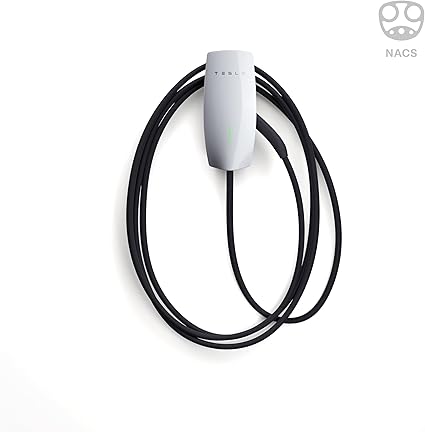

Why These EV Chargers?
- Cold-climate rated for Pickering-grade winters and shoulder-season freeze-thaw
- Universal J1772 plug plus Tesla adapter support out of the box
- Per-session data, monthly billing exports, and scheduling hooks into Elexicon Energy ULO plans
- Robust hardware warranties backed by Canadian distributors, not offshore resellers
- Licensed local electricians on every install — no general contractors wiring high-voltage EV circuits
If your home supports a 240V connection, you’re already on the path to overnight, full-range charging. If not you can take advantage of Level 1 chargers below.
Level 1 Home Chargers


Get Your Free EV Charger Estimate
We make it easy to line up free, no-obligation quotes from licensed Pickering EV electricians. Upload a panel photo, note where the car parks, and you'll see detailed pricing from multiple contractors within a business day.
Frequently Asked Questions
Peace of Mind, Built In

Verified Installers
Our installer vetting process covers ESA licensing, WSIB status, liability coverage, and past permit records before any Pickering homeowner's request reaches them.

Transparent Pricing
Pricing transparency is baked into every quote template — labour, parts, permit, and any sub-panel or service-change work is shown individually, so two quotes can be compared apples-to-apples.

Fast Response Time
We push every Pickering request out to vetted electricians right away, and most respond with a quote the same day. Installation dates typically book inside a week of acceptance.

Trusted Reviews
Real feedback from Pickering-area homeowners who have already been through the process, including notes on responsiveness, tidiness, and post-install support.
Ready to Get Your Quotes?
Drop your Pickering details into the form and we'll route them to pre-screened installers. You'll see real, itemized quotes back within a business day — most homeowners are plugged in on their own charger within two weeks.
Request Free Quotes