EV charger installation cost in Waterloo reflects the city's range of housing — from older properties near the University of Waterloo and Wilfrid Laurier to newer upscale builds in Lakeshore, Beechwood, and Upper Beechwood. Most Waterloo homeowners with a 200-amp panel and reasonable cable run pay between $1,400 and $2,600 for a complete Level 2 installation. Older homes, finished basement routing, and any detached garage work push that figure higher.
Why EV Quotes is Waterloo’s Trusted Choice for EV Charger Installation
EV Quotes is Waterloo’s trusted choice for EV charger installation because the process stays clear from the first message to the final test. Electricians look at your panel, your parking spot, and how you actually drive, then recommend a safe setup that fits your home and your budget. In Waterloo, public charging is easy to find, but it is not always the easiest way to live. ChargeHub reports 171 public charging ports within 15 km of Waterloo, and most are Level 2. A home charger keeps your routine simple and helps you manage long-term EV charging cost, especially when you use off-peak settings to lower the cost to charge EV. In many older homes, an electrical panel upgrade may be required before installation to safely support the additional load.
Get multiple quotes for EV charger installation, so you can compare price and timelines without pressure.
Understand your EV charger installation cost upfront, including permits, parts, and labour.
Work with licensed electricians who aim for clean conduit routes and careful finishing.
Choose Level 1 or Level 2 charging based on your driving needs, not sales talk.
Get support for homes, condos, and small businesses, including shared parking solutions.
Reduce wall damage with smart routing choices, especially in finished basements and garages.
Plan for future upgrades, so the same setup can support a second EV later.
Learn how to schedule charging to reduce EV charging cost and keep bills predictable.
If you’ve researched electric car charger installation Toronto, you’ll see the same safety-first approach applied in Waterloo as well.
Why Demand for EV Charger Installation in Waterloo Is Rising
Across Canada, EV ownership is growing quickly. In 2024, zero‑emission vehicles made up 13.8% of new motor vehicle sales, which is about one in seven new vehicles sold. Canada is also targeting 100% zero‑emission new light‑duty vehicle sales by 2035, which keeps demand moving in the same direction.
Waterloo has many places to top up, including campus charging that offers Level 2 and Level 3 options at the University of Waterloo. Still, most drivers choose EV charger installation at home or at their building because it removes daily guesswork and helps keep the long‑term EV charging cost easier to control.
When you use EV Quotes for EV charger installation in Waterloo, here's what you get:
Licensed electricians with real experience across Waterloo's full property range — from student rental conversions near the universities to upscale Lakeshore homes and newer Beechwood builds.
Written quotes with clear line-by-line pricing — no bundled numbers, no verbal estimates that shift when the invoice arrives.
Full ESA compliance including work notifications, post-installation inspections, and your Certificate of Acceptance.
Straightforward Level 1 vs. Level 2 advice matched to how far you actually drive — not a recommendation based on margin.
Smart charger guidance including load-sharing options for Waterloo households running two electric vehicles.
Clean cable routing planned before any drilling begins, not improvised during the job.
Scheduling that respects your time with minimal disruption to your day.
A full walkthrough at completion including Waterloo North Hydro time-of-use rate guidance so your charging costs stay as low as possible every month.
EV Charger Installation Services in Waterloo
Home Charger Installations
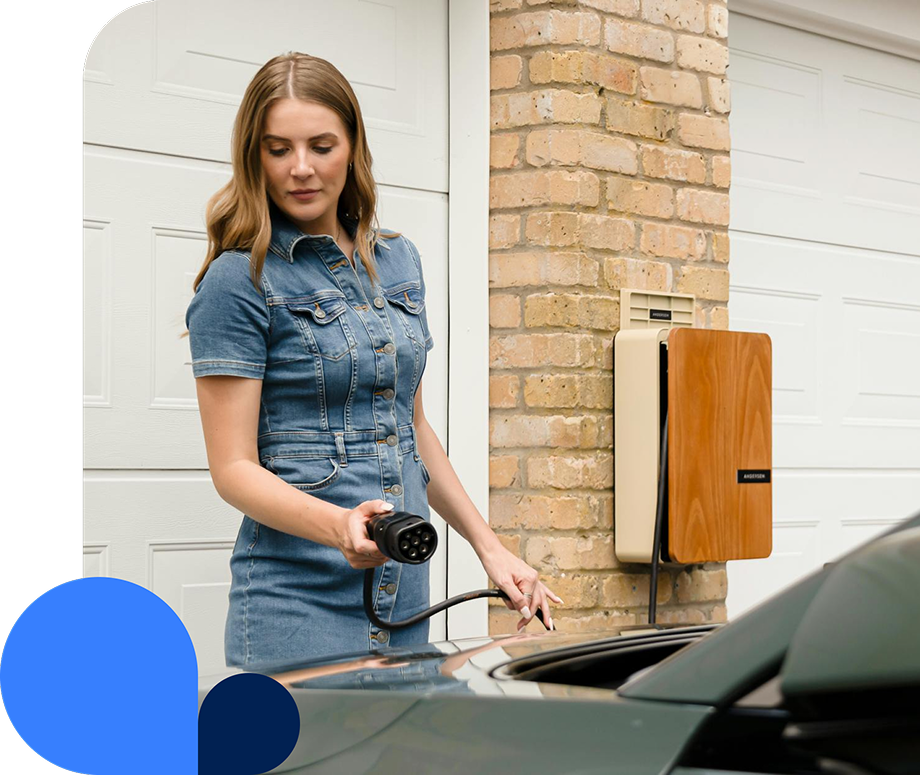
Safe, city-approved Level-2 charger installs for homes, townhouses, and condos (where permitted).
Level 2 Chargers
Smart Charger Setup & App Configuration
Panel Upgrades & Subpanel Installation
Load Calculations & Capacity Checks
Permit Filing & ESA Inspection Coordination
Rebate Guidance & Incentive Support
Charger Mounting – Wall, Pedestal, or Outdoor
Site Assessment & Electrical Feasibility Checks
Commercial & Multi-Unit Solutions
Professional EV charger systems for businesses, fleets, and MURBs (multi-unit residential buildings).
Beechwood is known for quiet streets, larger homes, and garages that make home charging feel natural. Many properties have clear parking access, so installers can often plan a clean, direct wiring route.
EV Charging in Beechwood
Homeowners usually choose a Level 2 charger for reliable overnight charging. If the panel is far from the garage, a neat exterior route can keep the job tidy and protect interior finishes, which can also help manage EV charger installation cost.
Key Charging Demand Zones
Detached homes with attached garages, rear-yard parking pads, and households with two drivers sharing one charger.
About Erbsville
Erbsville has a mix of newer subdivisions and semi‑rural edges, with more space for flexible charger placement. Parking often includes wide driveways and garages, which helps keep installs practical.
EV Charging in Erbsville
Outdoor-rated hardware matters here, especially where driveways are open and winter exposure is higher. A well-placed charger near the usual parking spot keeps charging simple and reduces the need to rely on public stations during busy hours.
Key Charging Demand Zones
Homes with long driveways, detached garages, and multi‑vehicle households planning for a second EV.
About Lakeshore Village
Lakeshore Village blends family homes and townhome pockets, with day-to-day driving that often includes commuting and errands around the region. Parking can vary by street, so planning is key.
EV Charging in Lakeshore Village
Many homeowners prefer a compact wall-mounted Level 2 unit to keep cables off the ground and the space easy to use. Shorter wiring runs often help keep the Cost to install an EV charger at home in Canada closer to the lower end.
Key Charging Demand Zones
Garage walls near driveway edges, townhome courts with assigned parking, and shared driveways where cable management matters.
About Laurelwood
Laurelwood has newer builds and steady family traffic, with many attached garages and consistent parking routines. That usually supports clean installs with fewer surprises.
EV Charging in Laurelwood
A Level 2 setup fits well for families who want to plug in once at night and start the next day ready. Smart scheduling can also lower the cost to charge EV, especially if you shift most charging to off‑peak hours.
Key Charging Demand Zones
Attached garages, newer homes with finished basements, and households balancing charging with other large electric loads.
About Maple Hills
Maple Hills includes a mix of home styles, and electrical setups can vary from property to property. A quick load check helps confirm what the panel can safely support.
EV Charging in Maple Hills
Some homes can add a 240‑volt circuit right away. Others benefit from load management to avoid a service upgrade. Either way, a clear plan keeps EV charger installation cost easier to predict.
Key Charging Demand Zones
Homes with older panels, renovated properties, and garages set back from the electrical room.
About Rummelhardt
Rummelhardt is quieter and more residential, often with simple parking layouts and private driveways. It is a good fit for straightforward home charging setups.
EV Charging in Rummelhardt
Installers usually aim for a clean, low-visibility route that keeps the exterior neat. A properly placed Level 2 charger supports daily driving and helps keep EV charging cost steady without frequent public charging stops.
Key Charging Demand Zones
Private driveways, carports, and homes with side-yard access to parking.
About Sunnydale
Sunnydale has practical family housing and predictable routines. Many homes have space for a wall-mounted charger near the garage door or beside the driveway.
EV Charging in Sunnydale
Outdoor installs can work well when conduit is routed neatly and the unit is mounted at a comfortable height. This keeps charging safe and easy year-round, even when snow and slush pile up near the driveway.
Key Charging Demand Zones
Driveway-edge installs, attached garages, and rental homes where on-site charging adds real value.
About Westmount
Westmount is close to schools, shopping, and steady commuter routes. Homes can range from older builds to updated properties, so panel capacity differs.
EV Charging in Westmount
A load calculation comes first, then the install plan follows. When capacity is tight, smart load control can be a good option. It helps you charge at home without overloading the panel and keeps upgrades more manageable.
Key Charging Demand Zones
Older homes with upgrades in progress, garages behind finished living space, and driveways with limited wall space.
About Westvale
Westvale is a well-established area with a mix of detached homes and townhomes. Parking is usually available, which makes daily charging easier to build into your routine.
EV Charging in Westvale
Many homeowners choose Level 2 because it matches real life: commuting, kids’ activities, and last‑minute errands. If you’ve also compared EV charger installation in Toronto, the same core safety steps apply in Waterloo—permits, load checks, and inspections.
Key Charging Demand Zones
Townhome complexes, detached garages, and homes with shared driveways where access needs to stay clear.
EV Charging Cost & Quote Checklist
Waterloo's tech-forward culture means most homeowners here are comfortable submitting information digitally — and doing so before requesting a quote consistently produces faster, more accurate pricing than a phone call with no property context.
Four things to have ready before you call:
A clear photo of your electrical panel showing all breakers and available spaces — this one image prevents more pricing surprises than anything else
A photo of your regular parking spot or the wall where the charger will mount
A rough estimate of the distance from panel to charger location — even ten feet or twenty feet is useful
A note on whether the installation is inside a garage, on an exterior wall, or in a detached structure — each one affects materials and method differently
How It Works
What to Expect from Your EV Home Charging Station Installation in Waterloo
We make it easy to go electric. Our process connects you with certified EV charging station installers who understand your needs and get the job done right.
Let us know your address, breaker panel capacity, and the EV model you drive. We'll assess what setup makes the most sense for your home.
EV Quotes connects you with licensed electrical contractors in Waterloo who specialize in EV charger installations. All are ESA-certified, fully insured, and experienced with every major charger brand.
Once matched, your installer will coordinate directly with you to schedule the install, which is often completed in a single visit. No guesswork. No hidden fees.
Your charger is tested, activated, and ready to go. Plug in your EV and enjoy fast, safe home charging from day one.
EV Car Models Supported by Installers
Looking for a dependable EV charger installer in Waterloo? EV Quotes connects you with thoroughly vetted local professionals who deliver safe, code-compliant, and efficient home charging installations for top brands like Tesla, Hyundai, Ford, BMW, and more — helping you enjoy reliable, hassle-free charging at home.
Waterloo's tech workers and university talent tend to gravitate toward chargers with solid software integration and flexibility. We partner with equipment manufacturers who prioritize firmware updates, app stability, and compatibility with third-party smart-home systems. Every charger we recommend is tested in Ontario's freeze-thaw cycles and carries 3-to-5-year warranties. The selection balances budget, features, and long-term reliability without pushing you toward models you'll never fully use.
Feature
Feature
Emporia Classic
ChargePoint Home Flex
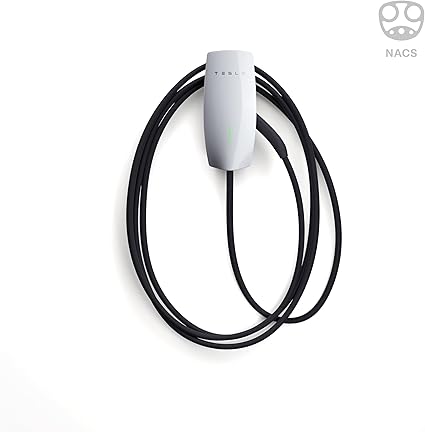
Tesla Universal Wall connector
Grizzl-E Classic/Smart
EVQuotes Rating
EVQuotes Rating
4.9/5
4.7/5
4.6/5
4.5/5
Power Output
Power Output
3.8-11.5kW (16A/24A/32A/40A/48A)
3.8-12kW (16A/24A/32A/40A/48A/50A)
2.9-11.5kW (12A-48A adjustale)
3.8-9.6kW (16A/24A/32A/40A)
Max Power Charge Time for 50km
Max Power Charge Time for 50km
52 minutes
50 minutes
52 minutes
62 minutes
Connector
Connector
J1772
J1772
J1772 & NACS
J1772
Smart/App Features
Smart/App Features
Energy Monitoring Scheduling
Advanced App, Alexa/Google
Tesla App Integration
Basic (Smart: WiFi enabled)
Installation Types
Installation Types
Hardwired only
Plug-in or Hardwired
Hardwired only
Plug-in or Hardwired
Weather rating
Weather rating
NEMA 4 (weather resistant)
NEMA 4 (excellent cold weather)
NEMA 4 (all weather)
NEMA 4 (Canadian tested)
Warranty
Warranty
3 years
3 years
4 years
3 years (5 optional)
User Insights
User Insights
Award-winning Performance
Top App Experience
Stylish & Versatile
Affordable & Reliable
Price(CAD)
Price(CAD)
$649-$699
$600-$700
$620-$850
$699-$1200
Why These EV Chargers?
Weather-Tested for Canadian Winters
Fully Compatible with J1772-Equipped EVs
Smart Charging Options Available
Reliable Warranty Support (Up to 5 Years)
Professionally Installed by Licensed Electricians
If your home supports a 240V connection, you’re already on the path to overnight, full-range charging. If not you can take advantage of Level 1 chargers below.
Level 1 Home Chargers
Feature
Feature
Lectron Level 1 J 1772 (WiFi)
EVDance
Base Energy
Power Output
Power Output
120V, 12-16A, 1.4-1.9kW
120V/240V, 12-16A adjustable
120V, 12A, 1.4kW
Charge Time for 50km
Charge Time for 50km
5.3-7.1 hours
5.3-7.1 hours
7.1 hours
Key Features
Key Features
WiFi Enabled, App Control, Scheduling
Dual Voltage, portable, 25ft cable
UL Listed, reliable, 20ft cord
Price(CAD)
Price(CAD)
$200-$270
$120-$150
$130-$220
Best For
Best For
Smart Features & Convenience
Versatility & Travel
Maximum Reliability
How Much Does EV Charger Installation Cost in Waterloo?
The cost of EV home charging station installation services in Waterloo depends on your electrical panel, charger type, and installation complexity. Typical EV Charger Installation costs in Waterloo are as follows:
Installation Type
Estimated Price
Standard Level 2 Install
$850 – $1,200+
Charger + Installation Bundle
$1,400 – $2,000+
Panel Upgrade (100A to 200A)
$2,000 – $3,500+
Trenching (Outdoor Garage or Detached)
$1,000 – $2,000+
Condo / MURB Installation
Custom Quote Required
Get Your Free EV charger Installation Estimate
Start by sharing your Waterloo address, a few photos of your electrical panel, and where you park. Local electricians review the details, confirm capacity, and send itemized quotes that separate labour, permits, hardware, and any extras, so you can compare the true EV charger installation cost.
Once you choose a pro, the job is scheduled, installed, tested, and explained clearly. You get everyday EV charger installation that feels simple to use, with a realistic view of the monthly EV charging cost.
In Waterloo, the full timeline from accepting a quote to plugging in your EV is usually seven to fourteen days, though some straightforward installations wrap up in under a week. For newer homes in Laurelwood, Westvale, or Beechwood with modern 200-amp panels and short conduit runs, the on-site work often finishes in a single four-to-six-hour visit. Older homes in Westmount or parts of Maple Hills, where the service may be 100 amps or the panel is older Federal Pioneer stock, can add a day or two for load calculations, subpanel work, or service upgrades through Waterloo North Hydro. The bigger driver of timing is usually permits and scheduling: Electrical Safety Authority (ESA) permits are typically pulled within one to two business days, and the final inspection occurs anywhere from three to ten days after rough-in work. If a service upgrade from Waterloo North Hydro is needed, add one to three weeks depending on their workload — late summer and early fall can be busy as students move in and more EVs appear in driveways. Booking in advance is wise, particularly around University of Waterloo and Wilfrid Laurier move-in weekends when electricians across the region see peak demand.
Three factors consistently drive most of the cost variation in Waterloo EV installs. First, the distance from your electrical panel to the desired charger location — a two-metre run through a finished garage in Laurelwood is inexpensive, but a twenty-metre outdoor run across a Westmount side yard with exterior conduit and trenching can add $600 to $1,200 in labour and materials. Second, the state of your electrical panel: homes in Beechwood and Westvale built after 2000 usually have 200-amp service with open slots and stay around $1,800 to $2,200 all-in, whereas older Erbsville and Maple Hills homes with 100-amp service may need either a service upgrade ($2,500 to $5,000 through Waterloo North Hydro) or an EVEMS load-management device ($400 to $900). Third, the charger itself — plug-in 32-amp models often retail for $600 to $800, while hardwired 48-amp units with Wi-Fi, load sharing, and ULO scheduling cost $900 to $1,200. Permit fees from the ESA add $120 to $200, and taxes apply to parts and labour. A realistic all-in figure for most Waterloo homes is $1,800 to $3,200.
Not always, but it's worth an honest load calculation before assuming. Under the Canadian Electrical Code, an electrician must confirm your panel can safely accommodate an additional 40 or 48-amp circuit alongside existing loads — central air conditioning, electric dryer, electric range, water heater, and so on. Many Waterloo homes built in the 1990s and later already have 200-amp service, which comfortably supports a standard Level 2 charger with no upgrade needed. Older homes in Westmount, Rummelhardt, and parts of Sunnydale sometimes have 100-amp service, and in those cases there are two realistic paths: upgrade to 200 amps through Waterloo North Hydro (typically $2,500 to $5,000 including new panel, mast, and meter base) or install an Electric Vehicle Energy Management System (EVEMS) that dynamically throttles the charger when other major appliances run. An EVEMS is ESA-approved, costs $400 to $900 installed, and works well for most households. Your licensed electrician should run the full load calc and present both options with numbers so you can decide based on your long-term plans — for instance, whether you foresee adding a second EV or a heat pump.
Waterloo North Hydro customers pay standard Ontario time-of-use or tiered rates, with an optional Ultra-Low Overnight (ULO) plan designed specifically for EV owners. On ULO, overnight electricity between 11 p.m. and 7 a.m. is priced at about 2.8 cents per kilowatt-hour — dramatically lower than the mid-peak rate of around 12 cents. For a typical 60 kWh battery that needs roughly 40 kWh to refill from 20 to 90 percent, that's about $1.12 overnight on ULO, or roughly $4.80 on standard mid-peak rates. If you drive the Canadian average of 15,000 km annually and your EV consumes about 18 kWh per 100 km, your yearly home charging cost on ULO lands near $300 to $400 — roughly $2 per 100 km, or about one-fifth of gasoline equivalent. If you don't switch to ULO, annual costs roughly double. A one-time 15-minute call to Waterloo North Hydro (or online switch) is all it takes, and the savings begin immediately. Waterloo's EV adopter community often calls ULO 'the single most valuable action' after buying the car itself.
For the vast majority of Waterloo commuters, Level 2 is the right long-term answer, even though Level 1 has its place. Level 1 uses a standard 120-volt outlet and adds 5 to 8 km of range per hour — enough for a short commute from Sunnydale to a university-area job, or for a plug-in hybrid with a 40-km electric range. But if you drive from Waterloo to Toronto once a week, commute out to Cambridge or Guelph daily, or share one charger between two EV drivers, Level 1's overnight replenishment of 50 to 80 km simply isn't enough. Level 2 at 240 volts and 30 to 48 amps adds 30 to 60 km per hour, meaning a fully depleted 80 kWh battery refills in 6 to 10 hours — well within an overnight ULO window. Level 2 also enables smart scheduling, app-based monitoring, and features like 'ready by 7 a.m.' that make ULO savings effortless. Level 1 makes sense as a starter while you're deciding, especially for a single short-range EV; Level 2 makes sense the moment you commit to EVs for the long term.
Waterloo has a growing but not yet saturated public charging network. You'll find Level 2 stations at both universities — the University of Waterloo's main campus lots and Wilfrid Laurier's parking structures — as well as at major malls (Conestoga Mall, Bauer Kitchener), several Tim Hortons and grocery plazas, and the uptown core along King Street. DC fast chargers are concentrated at Petro-Canada, Electrify Canada, and ONroute-style locations along Highway 8 and near the 401 interchange at Conestoga Parkway. The region's transit hubs including the ION LRT park-and-rides also host chargers. For occasional use, public charging works — but relying on it daily means planning around availability, cable condition, queue times, and cost (commercial Level 2 at $1 to $2 per hour, DC fast at 40 to 60 cents per kWh). At those rates, a year of public-only charging costs roughly four to eight times what ULO home charging would. Most Waterloo EV owners use home charging for 90 percent of driving and public chargers for road-trip top-ups or unexpected needs. If your apartment genuinely cannot support home installation, public-only is viable but expensive.
Yes, and the process is becoming much more routine in Waterloo as newer complexes in Lakeshore Village, the uptown core, and around the Westmount/University corridor see rising EV adoption. Ontario's Condominium Act amendments (Section 24.5) require condo boards to genuinely consider owner EV charging requests and allow refusal only on specific, documented safety or structural grounds. The typical process is: submit a written request with an electrician's proposed plan; the board engages an engineer to review; the owner signs an agreement covering installation, metering, insurance, and removal at sale. Waterloo's condo electrical rooms vary widely — buildings with 600V service often have more flexibility, while smaller low-rises on 120/240V may require a dedicated meter or EVEMS load-management system. Per-stall installation costs typically run $2,500 to $5,500; building-wide 'EV-ready' retrofits where multiple owners co-sponsor infrastructure can be significantly cheaper per stall. Natural Resources Canada's ZEVIP program offers rebates for qualifying multi-unit residential projects. For townhouse complexes with individual metered garages, the process is usually simpler and closer to a detached-home install, provided the board is notified and approves the exterior conduit pathway.
Outdoor EV charger installations are common and reliable across Waterloo, including in wind-exposed Erbsville, Rummelhardt, and Lakeshore Village driveways. All outdoor units should carry a NEMA 3R rating at minimum, with NEMA 4 or 4X preferred for sites with significant wind-driven precipitation. Major brands like Tesla Wall Connector, ChargePoint Home Flex, FLO Home X5, and Grizzl-E are all certified for Canadian winters and rated for continuous operation down to -30°C or colder. Mounting guidelines matter: the charger body should sit at least 18 inches above expected snow accumulation, and conduit penetrations through exterior walls require liquid-tight fittings with drip loops. The charger cable becomes noticeably stiffer below -20°C, so a dedicated wall-mounted cable holster prevents it from bending sharply against cold plastic. Salt spray is rarely an issue in Waterloo (unlike coastal areas), but keeping the charger face clear of slush and ice buildup extends connector life. After installation, a light annual inspection of gaskets and conduit seals keeps everything watertight. Thousands of outdoor installations operate flawlessly through Waterloo winters, and insurance coverage is identical to garage installations.
Sharing specific information upfront leads to far more accurate and competitive Waterloo quotes. First, your address — not just for site access but because electricians factor in Waterloo North Hydro service territory specifics and distance from their base. Second, your electrical panel details: main breaker rating (100A or 200A), brand (Siemens, Eaton, Schneider, Federal Pioneer), approximate age, and a photo of the inside with the door open showing available slots. Third, your EV details: make, model, year, and the onboard charger capacity (typically 32A, 40A, or 48A), which determines the circuit size. Fourth, the desired charger location — garage interior wall, outdoor exterior wall, or a detached garage — and approximately how many metres of conduit would be needed from the panel. Fifth, a rough idea of whether you want a plug-in or hardwired charger, and whether you already own the charger or want the electrician to supply one. Sixth, note any special conditions: finished basement ceilings requiring fishing wires, driveways that may require trenching, or condo/townhouse board approvals already in hand. This detail lets electricians produce firm quotes rather than ranges.
Waterloo's public charging footprint is notably strong for a mid-sized city, largely because both major universities actively invest in campus EV infrastructure. The University of Waterloo has Level 2 chargers in lots B, H, and N, plus several faculty parking areas, and occasional DC fast chargers near the engineering and environment buildings. Wilfrid Laurier's main campus has Level 2 chargers at the Bricker, Lot 20, and Science Building lots. Beyond campuses, Conestoga Mall and Bauer Kitchener (serving the Waterloo-Kitchener boundary) both offer chargers, as do the Waterloo Memorial Recreation Complex, RIM Park, and City of Waterloo operations facilities. Grocery stores including Zehrs, FreshCo, and several Sobeys locations have Level 2 chargers, and many Tim Hortons drive-thrus along King Street and University Avenue have added single-port chargers. Along Highway 8, ONroute-style charging is available, and DC fast chargers from Electrify Canada, FLO, and Petro-Canada cluster near the 401 interchange. For route planning, PlugShare and ChargeHub give real-time status. While public charging is useful, most Waterloo EV drivers still find home Level 2 charging covers the bulk of their needs, with public as a convenient supplement.
The biggest single lever in Waterloo is switching to the Ultra-Low Overnight (ULO) rate plan through Waterloo North Hydro — it's free to switch and immediately cuts overnight charging costs by 70 to 80 percent compared with standard time-of-use. Pair ULO with a Level 2 charger that supports scheduled charging (every major brand now does) so your car automatically begins charging at 11 p.m. and stops by 7 a.m. without manual intervention. Second, pre-condition your EV's cabin in winter while still plugged in; warming the interior draws from the grid instead of the battery and preserves range. Third, keep tire pressure in check year-round — an EV's efficiency drops measurably with underinflated tires, and Waterloo's temperature swings mean pressure changes monthly. Fourth, drive with one-pedal regen enabled where offered, which reclaims energy in stop-and-go traffic around King Street and University Avenue. Fifth, consider load management via an EVEMS if adding more EV capacity later — it avoids a service upgrade, which represents a real capital savings. For households with solar panels, the picture becomes even more favourable. These choices, taken together, can keep annual home charging costs under $400 for average commuters.
When Canadian publications cite an installation cost figure — typically $1,500 to $3,500 for Level 2 — they're usually rolling together the charger unit, the electrician's labour, materials (conduit, wire, mounting hardware, breaker), the ESA permit, and basic panel work where needed. What national averages often exclude or underestimate: service upgrades (a full 100-to-200-amp upgrade can add $2,500 to $5,000), EVEMS load management ($400 to $900), long exterior runs with trenching ($500 to $1,500), and taxes. Waterloo's installation costs track near the national middle — neither the cheapest (rural Ontario, where contractor travel and overhead are lower) nor the priciest (downtown Toronto or Vancouver, where condo access and parking complicate jobs). Waterloo North Hydro's service-upgrade process is generally efficient; ESA turnaround is consistent; and the local electrician pool is competitive enough that most homeowners get three strong quotes within a week. When comparing your Waterloo quote against national sources, always confirm it's all-in with the charger, permit, taxes, and any panel work — quote-to-quote comparison is the only apples-to-apples way to evaluate value.
Across a typical 10 to 15 year charger lifespan, a Waterloo home Level 2 installation generates returns from three directions. First, fuel cost savings: a household driving 20,000 km per year on ULO spends roughly $350 on electricity compared with $2,800 to $3,500 on gasoline — net savings of $2,500 annually that recover the installation cost in under a year and a half, then compound every year afterward. Second, property value: in Waterloo's hot housing market, driven by tech-sector employment around the University of Waterloo and Conestoga Parkway corridor, EV-ready garages have become a featured amenity in real estate listings, particularly in Laurelwood, Westvale, and Beechwood. Third, convenience and time: no more gas station stops, simpler maintenance, and the mental offload of never tracking fuel prices. Beyond finance, many Waterloo households prioritize emissions reductions as part of the region's climate goals, and home charging on Ontario's largely clean electricity grid represents a significant household emissions cut. The one counterargument — grid capacity and possible future rate changes — is real but manageable; ULO rates have been stable since launch and the province continues investing in capacity. Overall, the return profile is among the strongest home upgrades available today.
Rental-property EV charging is increasingly viable in Waterloo, particularly around the university districts and tech corridor where tenant demand is rising. Landlords have three main models to consider. First, install a landlord-owned shared charger and include an amenity fee in rent or bill tenants directly via a networked unit (ChargePoint, FLO, SemaConnect) that tracks usage. Second, allow tenants to install their own charger at their expense, with a written agreement covering metering, liability, and removal at lease-end — this is common for townhouse rentals in Westmount and Erbsville. Third, retrofit the property with an EV-ready circuit and outlet so any future tenant can plug in, which adds modest up-front cost ($400 to $800) but increases long-term rentability. Legally, Ontario's Residential Tenancies Act doesn't explicitly address EV charging, so a clear written addendum to the lease is essential. From a practical standpoint, Waterloo North Hydro can meter shared installations separately where the panel permits, and Natural Resources Canada's ZEVIP program offers rebates for qualifying multi-unit rental installations. Before moving forward, a licensed electrician's assessment of the property's main service and metering arrangement determines which model works best.
Federal rebates remain the largest incentives currently available in Waterloo. Natural Resources Canada's Zero Emission Vehicle Infrastructure Program (ZEVIP) covers up to 50 percent of charging infrastructure costs for eligible workplace, public, and multi-unit residential applications — making it especially valuable for condos along Lakeshore Village and workplace installations in the tech parks near the University of Waterloo. Individual homeowners generally don't qualify for ZEVIP directly, but the federal iZEV vehicle purchase incentive ($5,000 for qualifying new EVs, $2,500 for plug-in hybrids) effectively reduces the total cost of going electric. Ontario previously offered provincial charger rebates but those are not currently active; watch for announcements as provincial EV policy evolves. On the utility side, Waterloo North Hydro doesn't offer charger-specific rebates but does provide the ULO rate plan, which is a running discount rather than a one-time incentive. Some insurance companies also offer discounts for EVs and homes with certified Level 2 installations. Your best combined savings come from stacking the federal vehicle incentive, ULO overnight rates, and, for multi-unit applications, ZEVIP. A licensed electrician familiar with the local incentive landscape can identify which paths apply to your specific situation.
Peace of Mind, Built In
Verified Installers
Every electrician is licensed, insured, and pre-screened — deal only with trusted pros.
Transparent Pricing
Compare up to 3 quotes side by side. No hidden fees, no surprises.
Fast Response Time
Get matched with local installers quickly so you can start charging sooner.
Trusted Reviews
See real homeowner feedback to help you choose with confidence.
Ready to Get Your Quotes?
Tell us a bit about your home and charger preference. We’ll match you with licensed Waterloo installers — fast.