Best Hyundai EV Chargers for Canada
 Written by EV Quotes |
February 2026
Written by EV Quotes |
February 2026
- Understanding the Hyundai EV Lineup
- Types of Electric Vehicle Chargers
- Top Level 2 Charger Recommendations for Hyundai EV
- Hyundai EV Charger Comparison Table
- What If You’re Not Ready for a Level 2 EV Charger?
- Hyundai EV Charging Tips for Canadian Owners
- EV Charger Installation Requirements
- Making the Right Choice for Your Hyundai
- Choosing the Right EV Charger Installation in Canada
- Ready to Charge Your Hyundai?
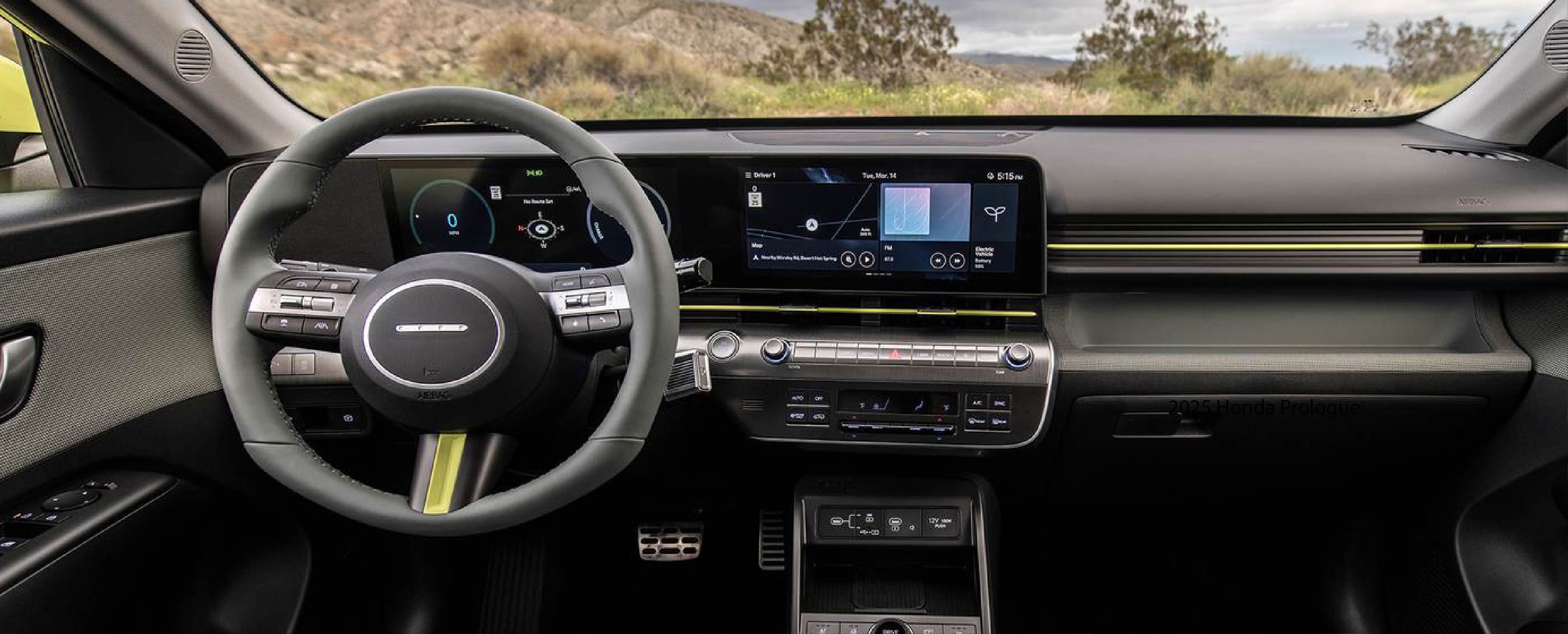
Hyundai has firmly established itself as a leader in the Canadian electric vehicle market with an acclaimed and comprehensive lineup. Models like the Kona Electric, IONIQ 5, IONIQ 6, and the high-performance IONIQ 5 N showcase a commitment to innovation, efficiency, and real-world usability for Canadian families. These vehicles feature advanced battery systems, with sizes ranging from 39 kWh to over 77 kWh, and powerful onboard chargers of up to 11 kW.
To fully leverage this technology, selecting the correct Level 2 home charging station is essential. While Hyundai EVs support impressive DC fast charging for road trips, the convenience and cost-effectiveness of overnight home charging unlock the true ownership experience.
Read on to find the best home charger for your Hyundai Ioniq 5, Kona Electric, or Ioniq 6, ensuring you wake up to a full battery every day.
Understanding the Hyundai EV Lineup
Hyundai's electric vehicle strategy combines cutting-edge technology with the practical needs of Canadian drivers. The brand’s award-winning EVs are built on sophisticated platforms, some with an advanced 800-volt architecture that enables ultra-fast charging. The lineup, including the popular Kona Electric, the revolutionary IONIQ 5, the sleek IONIQ 6, and the thrilling IONIQ 5 N, demonstrates a deep understanding of EV requirements.
Each model boasts a powerful onboard charger, ensuring efficient and rapid Level 2 home charging. This commitment to performance and technology solidifies Hyundai's position at the forefront of the Canadian EV market.
Key Hyundai EV Specifications
| Model | Battery Capacity | Onboard Charger | DC Fast Charge Speed (10-80%) |
|---|---|---|---|
| Kona Electric | 39-77.4 kWh | 11 kW | Approx. 47 minutes |
| IONIQ 5 | 58-77.4 kWh | 10.9 kW | Approx. 18 minutes |
| IONIQ 6 | 77.4 kWh | 10.9 kW | Approx. 22 minutes |
| IONIQ 5 N | 77.4 kWh | 10.9 kW | Approx. 18 minutes |
These specifications highlight Hyundai's focus on powerful and efficient charging across its electric vehicle lineup. The robust onboard chargers are designed to take full advantage of Level 2 home charging, while the advanced battery technology enables some of the fastest DC charging speeds on the market.
Types of Electric Vehicle Chargers
Understanding the different charging levels is key to optimizing your Hyundai ownership experience. While three levels exist, your primary focus for home use will be on Level 1 and Level 2, as Level 3 is reserved for public fast-charging networks.
Choosing the right option depends on your daily driving habits, budget, and vehicle's capabilities.
Level 1 Charger (120V)
Level 1 EV charging uses a standard 120-volt household outlet, the same one you use for a lamp or phone charger. Most EVs come with a Level 1 charging cable, making it the most accessible option with no installation costs. However, it is also the slowest, providing only about 3 to 8 kilometers of range per hour.
For a Hyundai EV with a large battery, a full charge can take over 48 hours. This makes it impractical for daily use but suitable for plug-in hybrids or as an emergency backup. If you drive very little each day or can leave your car plugged in for several days at a time, Level 1 might suffice.
Level 2 Charger (240V) – Recommended
A Level 2 charger is the best EV charger for home use and the gold standard for Hyundai owners. Operating on a 240-volt circuit, similar to an electric stove, it offers a perfect balance of speed and cost. This is the fastest, most convenient way of charging the Ioniq 5 N at home. A Level 2 station can fully utilize your Hyundai’s 10.9 kW or 11 kW onboard charger capacity.
The Hyundai EV charging time on a 240V connection is dramatically reduced. For example, a 77.4 kWh IONIQ 5 can charge from empty to full in about 7 to 8 hours. This ensures you can easily replenish your battery overnight, no matter how much you drove during the day.
Benefits for Hyundai EV owners:
- Wake up to a fully charged vehicle every morning.
- Maximize the capability of your Hyundai's powerful onboard charger.
- Take advantage of lower off-peak electricity rates with smart scheduling.
- Increase your home's value with an EV-ready setup.
Level 3 (DC Fast Charging)
Level 3 or DC Fast Charging, is the quickest way to charge an EV. Found along highways and at public charging hubs, these stations bypass the vehicle's onboard charger to deliver high-voltage direct current. Hyundai’s 800-volt architecture allows models like the IONIQ 5 and IONIQ 6 to charge from 10% to 80% in as little as 18-22 minutes when connected to a 350 kW DC fast charger.
This speed is ideal for long-distance road trips, allowing for quick top-ups to continue your journey. However, due to their massive cost (upwards of $50,000) and extreme power requirements, DC fast chargers are not suitable or available for residential installation.
Top Level 2 Charger Recommendations for Hyundai EV
Choosing the right Level 2 charger ensures you get the most out of your Hyundai EV. Here are our top picks for Canadian drivers, balancing performance, value, and reliability.
Hyundai EV Charger Comparison Table



What If You’re Not Ready for a Level 2 EV Charger?
If you rent, live in a condo with charging restrictions, or are not ready for a professional installation, like a condo EV charger installation or a multi-unit EV charger setup, a Level 2 charger might not be immediately feasible. In this case, Level 1 charging using a standard 120V outlet is your primary alternative. While slow, it can still add enough range overnight for short commutes.


Another option is a portable Level 1/Level 2 charger, which can plug into a 240V outlet (like a dryer plug) if one is available. These offer faster charging than standard Level 1 but are still a compromise. These solutions are temporary. For the convenience, speed, and cost savings that make EV ownership so appealing, a professionally installed Level 2 charger remains the best long-term solution for any Hyundai EV owner.
Hyundai EV Charging Tips for Canadian Owners
Charging Efficiency Tips
- Charge to 80% for Daily Use: To preserve long-term battery health, only charge to 100% when you need the full range for a long trip. For daily driving, setting a limit of 80% is ideal.
- Use Scheduling: Program your charger or vehicle to charge during off-peak hours when electricity rates are lowest. This can significantly reduce your running costs.
- Precondition While Plugged In: In winter, use your Hyundai’s preconditioning feature to warm the battery and cabin while still connected to the charger. This draws power from the grid, not your battery, preserving range.
- Cold Weather Planning: Be aware that EV range can decrease by 14-39% in sub-zero temperatures. Plan your trips accordingly and know where public charging stations are located.
Urban Charging Considerations
- Condo Challenges: If you live in a multi-unit building, work with your condo board to explore options for installing a personal or shared charging station.
- Street Parking: For those without a dedicated parking spot, relying on public charging infrastructure is necessary. Use apps like PlugShare or ChargeHub to find stations near your home or workplace.
- Public Charging Networks: Familiarize yourself with major networks in your area, such as Electric Circuit and ChargePoint.
EV Charger Installation Requirements
Professional EV Charger Installation
Installing a Level 2 charger is not a DIY project. It involves high voltage and requires adherence to strict electrical codes. Always hire a licensed and insured electrician who specializes in EV charger installations.
A professional installer will ensure your setup is safe, code-compliant, and optimized for your vehicle. Proper installation by a certified electrician is also required to maintain your charger’s warranty and to qualify for any government rebates. They will handle the entire process, from assessment to permitting and final inspection.
EV Electrical Requirements
- Dedicated 240V Circuit: Your charger must have its own dedicated circuit to prevent overloading your home's electrical system.
- Amperage Requirements: A 40A circuit is sufficient for many chargers, but a 50A or 60A circuit is needed to maximize the output of chargers like the ChargePoint Home Flex or Emporia Classic.
- Outdoor Rating: If installing outdoors, choose a charger with a NEMA 4 or 4X rating to protect it from Canadian weather.
- Permit Requirement: An electrical permit is required in every Canadian province for a Level 2 charger installation. Your electrician will manage this process.
Making the Right Choice for Your Hyundai
- Budget-conscious: The Grizzl-E Classic offers rugged, Canadian-made quality and reliable performance at an excellent price.
- Tech-focused: The ChargePoint Home Flex provides the fastest charging speeds and a superior, feature-rich app experience.
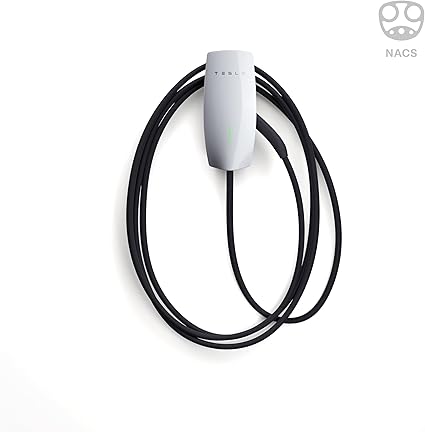
- Future planning: The Tesla Universal Wall Connector ensures compatibility with both current (J1772) and future (NACS) standards.
- Best overall: The Emporia Classic delivers the perfect blend of high-speed charging, smart features, and exceptional value.
Choosing the Right EV Charger Installation in Canada
Selecting the right home EV charger installation is just as important as picking the charger itself. In Canada, rely on trusted resources like EV Quotes to connect you with licensed professionals for safe, code-compliant work. Expert advice ensures your Hyundai EV charging setup is efficient, rebate-eligible, and ready for the demands of Canadian weather.
Ready to Charge Your Hyundai?
Investing in the right Level 2 charger transforms your Hyundai EV ownership experience, providing unmatched convenience and efficiency. Choose the right charger, get it professionally installed, and say goodbye to gas stations. Wake up to a fully charged vehicle, ready for any adventure.
Compare the chargers in this guide, consider your daily driving needs, and get an EV charger installation quote in Canada from a certified professional. Maximizing your Hyundai EV experience starts with the right home charging setup.