Best Land Rover Home EV Chargers in Canada
 Written by EV Quotes |
April 2026
Written by EV Quotes |
April 2026
- Land Rover's Electrified Journey
- Why Plan Your Land Rover Home Charging Station Now
- Understanding Charger Levels for Land Rover EVs
- Best Level 2 EV Chargers for Land Rover Owners in Canada
- Portable Level 1 Chargers for Land Rover Range Rover Electric
- EV Charger Installation and Smart Features to Consider
- Cost of Charging a Land Rover at Home in Canada
- Future-Proofing Your EV Charging Setup
- EV Charger Lifespan and Maintenance
- How to Maximize Your Land Rover Electric Car Experience
- How to Find the Best EV Charger Installer in Canada
- Prepare Your Home for a Land Rover Electric Car with a Home EV Charger
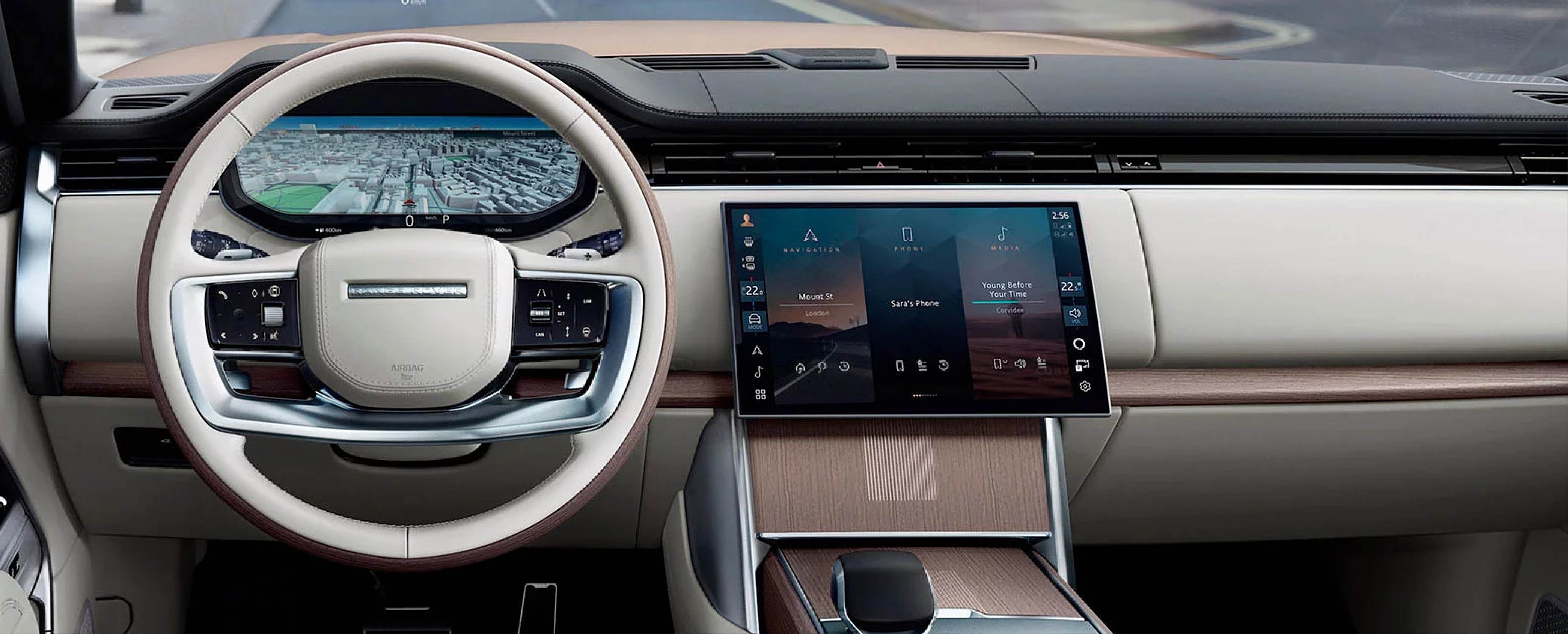
Land Rover is redefining modern luxury with a bold electrification strategy that marries its legendary off-road capability with silent, zero-emission performance. Leading this charge is the highly anticipated Range Rover Electric, a vehicle designed to deliver the same peerless refinement owners expect, but with a sophisticated electric powertrain. As the brand transitions toward a fully electric future, Canadian owners are looking for reliable ways to power their journeys.
With the upcoming electric roadmap set to introduce even more models, including an electric Defender, establishing a robust home charging setup is essential. Installing a Level 2 EV charger at home in Canada is the most practical step you can take. It ensures your vehicle is always ready for the harsh Canadian winters and long highway drives, providing a seamless ownership experience that public charging simply cannot match.
Land Rover's Electrified Journey
Current Offering: The Range Rover Electric
The Range Rover Electric represents a new era of luxury travel, engineered to offer the quietest and most refined drive in the brand's history. It features an advanced 800-volt architecture, allowing for rapid energy replenishment and exceptional performance.
- Powertrain overview: Dual-motor electric powertrain delivering instant torque and all-terrain capability.
- Battery size: Approximately 100+ kWh usable capacity.
- Electric range: Targeted range of over 400 km (estimates based on global cycles).
- Onboard charger: 11 kW AC onboard charger for efficient home charging.
- Connector type: CCS (Combined Charging System), which includes J1772 for AC charging.
- DC fast charging support: Yes, supports ultra-fast charging capability.
Upcoming Electric Models
Land Rover’s commitment to sustainability extends far beyond a single model. The brand is developing a comprehensive lineup of electric vehicles built on the flexible Modular Longitudinal Architecture (MLA).
- Platform: MLA-Flex architecture designed to support internal combustion, PHEV, and BEV powertrains.
- Expected release timeline: The electric Defender is expected to follow closely, broadening the electric portfolio by mid-decade.
- Performance positioning: These models will prioritize torque for off-road towing and wading depth, matching their combustion counterparts.
- Canadian market relevance: With excellent all-wheel-drive systems and cold-weather testing, these upcoming EVs are perfectly suited for Canadian terrain and climate.
Why Plan Your Land Rover Home Charging Station Now
Investing in a Land Rover home EV charger now is a strategic move to future-proof your home for the next decade of automotive innovation. As electric vehicle adoption grows across Canada, having a dedicated Level 2 charging station increases your property value and ensures you are ready for any EV, not just your current Land Rover.
Furthermore, taking action now allows you to capitalize on available government rebates in Canada. Programs like the federal Zero Emission Vehicle Infrastructure Program (ZEVIP) and various provincial incentives in BC and Quebec can significantly offset installation costs. Long-term savings are also substantial; charging at home is a fraction of the cost of gas or public fast charging.
For Canadian homeowners, the convenience of waking up to a full battery every morning, especially during freezing winters, is the ultimate luxury.
Understanding Charger Levels for Land Rover EVs
Choosing the right charging speed is critical for maintaining the uptime of a vehicle with a large battery like the Range Rover Electric.
Level 1 Charging: Basic and Accessible
Level 1 EV charging uses a standard 120V household outlet, similar to what you use for a lamp or laptop. While accessible, it is incredibly slow for a large electric SUV. It adds approximately 3–6 km of range per hour. This method is best reserved for plug-in hybrids (PHEVs) or emergencies where no other power source is available.
Key Benefits:
- No installation cost; uses existing outlets.
- Universal compatibility with all EVs using the provided cable.
- Useful for "trickle charging" during long parking periods.
- Gentle on the battery for long-term storage.
Level 2 Charging: Faster and Practical for Home
For the vast majority of owners, a Level 2 EV charger in Canada is the necessary standard. Operating on a 240V circuit (similar to a dryer or stove), these chargers can deliver up to 11.5 kW of power, perfectly matching the Range Rover Electric's onboard charger capacity.
This is the best home EV charger solution because it drastically reduces downtime. Instead of waiting days for a full charge on Level 1, a Level 2 station can recharge a large 100 kWh battery from 0% to 100% in roughly 10–12 hours. This means you can plug in when you get home from work and have a fully charged vehicle by the next morning, regardless of how depleted the battery was.
Key Benefits:
- Charges up to 8-10x faster than Level 1.
- Maximizes the utility of your Range Rover Electric for daily use.
- Enables "preconditioning" of the cabin and battery using grid power in winter.
- Increases home resale value and convenience.
Level 3 Charging: DC Fast Charging (Future Models)
Level 3 chargers, or DC Fast Charging, bypass the onboard charger to dump energy directly into the battery at high speeds. While the Range Rover Electric supports this for public charging stops (adding substantial range in under an hour), Level 3 chargers are not for home use due to their massive industrial power requirements and cost. They are strictly for highway travel and commercial infrastructure.
Best Level 2 EV Chargers for Land Rover Owners in Canada
Selecting the best home EV chargers compatible with Land Rover electric vehicles involves balancing power, durability, and smart features. Here are the top recommendations for Canadian owners.
Portable Level 1 Chargers for Land Rover Range Rover Electric
While a wall-mounted unit is preferred, having a portable backup is wise.


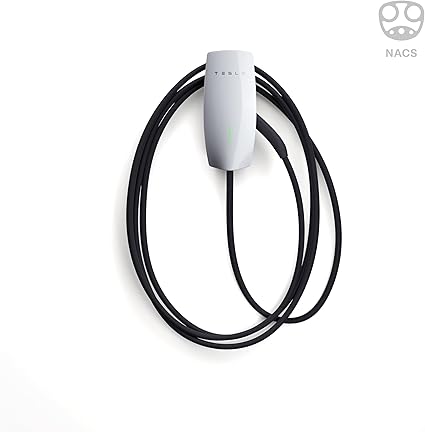

Level 1 chargers are much slower than Level 2 options due to the Range Rover Electric's large battery, but they plug into any standard household outlet. This makes them useful for emergency charging, maintaining charge when parked for long periods, or as a backup when traveling. For maximum flexibility, the Range Rover Electric includes both AC Level 2 and DC fast charging capabilities.
EV Charger Installation and Smart Features to Consider
Professional Installation Requirements
To ensure safety and compliance, professional EV charger installation Land Rover services are essential. A licensed electrician will ensure your home’s electrical system can handle the load.
EV Charger Installation Requirements for Canadian Homes:
- Dedicated branch circuit: The charger must be on its own circuit, not shared with other appliances.
- Breaker sizing (125% rule): A 48A charger requires a 60A breaker to handle the continuous load safely.
- Conductor sizing (AWG reference): Proper wire gauge (typically 6 AWG or 4 AWG) is crucial to prevent overheating.
- GFCI/AFCI protection: Required by code in many areas, though some hardwired units have internal protection.
- Weatherproof installation (if outdoor): Use of NEMA 3R or 4 enclosures and liquid-tight conduit is mandatory for outdoor setups.
Smart Land Rover EV Charger Features
Modern chargers offer features that save money and add convenience.
- Scheduling: Set your charger to run only during off-peak hours (e.g., 11 PM to 7 AM) to lower electricity bills.
- Energy Monitoring: Track exactly how many kWh your vehicle consumes to separate EV costs from household usage.
- Remote Control: Start, stop, or adjust amperage from your smartphone, even if you are away from home.
- Load Management: Allows two chargers to share one circuit, automatically adjusting power to prevent tripping the breaker.
- Utility Integration: Some chargers connect directly with utility providers for demand-response rebates.
Cost of Charging a Land Rover at Home in Canada
Charging at home is significantly cheaper than refueling a gas vehicle. Assuming a 100 kWh battery pack for a full 0-100% charge (approx 400km range):
Sample Charging Costs (100 kWh battery):
- Alberta: ~16.6¢/kWh = $16.60 per full charge (approx $4.15 per 100 km)
- Québec (Off-peak): ~7.3¢/kWh = $7.30 per full charge (approx $1.82 per 100 km)
- British Columbia: ~14.1¢/kWh = $14.10 per full charge (approx $3.52 per 100 km)
- Ontario: ~12.5¢/kWh (Ultra-Low Overnight) = $12.50 per full charge (approx $3.12 per 100 km)
Compared to a gas-powered Range Rover consuming roughly 12-15L/100km, where 100km could cost $20-$25, the savings are massive, potentially saving drivers over $2,000 annually.
Future-Proofing Your EV Charging Setup
When hiring a Land Rover EV charger installer, think beyond today’s needs.
Planning Considerations:
- Install conduit for future upgrades: Run a larger conduit than necessary to allow for thicker wires later if needed.
- Choose an accessible mounting location: Place the charger where it can reach multiple parking spots in case you get a second EV.
- Select an upgradeable smart charger: WiFi-enabled units can receive firmware updates to add new features or fix bugs.
- Plan panel capacity for multiple EVs: If you anticipate a second electric car, ask your electrician about a 100A sub-panel for the garage.
EV Charger Lifespan and Maintenance
A quality home charger is a durable appliance, but it requires some care.
- Expected lifespan: Most Level 2 chargers last 7–10 years with daily use.
- Firmware updates: Regularly check the app to ensure your charger is running the latest software for safety and compatibility.
- Electrical inspection: Have a licensed EV charger installer check the connections every few years for tightness and signs of heat.
- Warranty importance: Stick to brands with 3-year warranties or longer (like ChargePoint or FLO) to protect your investment.
How to Maximize Your Land Rover Electric Car Experience
Owning an electric Land Rover is about seamless luxury.
Daily Charging Habits:
- Plug in every night, even if you still have 60% battery, to wake up with a full range.
- Set your maximum charge limit to 80% or 90% for daily driving to prolong battery health.
- Use "departure times" in the vehicle menu so the battery is warm and ready when you leave.
Seasonal Considerations:
- In winter, keep the car plugged in to allow the battery thermal management system to run off grid power.
- Expect the range to drop by 20-30% in extreme cold; plan longer trips accordingly.
- Keep the charging port free of snow and ice to ensure a solid connection.
Performance Optimization:
- Use the vehicle's navigation to route to chargers; the car will pre-condition the battery for faster charging.
- Monitor tire pressure, as low pressure significantly increases rolling resistance and reduces range.
- Use regenerative braking settings to recapture energy during city driving.
How to Find the Best EV Charger Installer in Canada
Finding a qualified EV charger installer is very important for a safe and compliant Land Rover home charger installation.
EV Charger Installer Qualifications:
- Licensed electrician: Must hold a valid provincial license (e.g., Master Electrician).
- EV installation experience: Ask specifically about their experience with continuous load devices.
- Permit knowledge: They should handle all ESA (Ontario) or Technical Safety BC permits for you.
- Insurance coverage: Ensure they carry liability insurance to protect your home during work.
Getting Quotes:
- Obtain multiple quotes: Prices can vary by hundreds of dollars; get at least three comparisons.
- Verify permits included: Never accept a quote that suggests skipping the electrical permit.
- Ask about installation warranty: Good installers guarantee their workmanship for at least one year.
- Check reviews: Look for specific mentions of EV charger installations in their customer feedback.
Don't settle for the first price you see. Take the time to compare verified professionals to ensure your luxury vehicle gets the premium installation it deserves.
Prepare Your Home for a Land Rover Electric Car with a Home EV Charger
The arrival of your Range Rover Electric should be a moment of excitement, not logistical stress. By securing a professional EV charger installation Land Rover service now, you ensure a seamless transition to electric luxury. Trust EV Quotes to connect you with the best local experts who understand the specific needs of high-performance electric vehicles.
- Obtain multiple quotes: Prices can vary by hundreds of dollars; get at least three comparisons.
- Verify permits included: Never accept a quote that suggests skipping the electrical permit.
- Ask about installation warranty: Good installers guarantee their workmanship for at least one year.
- Check reviews: Look for specific mentions of EV charger installations in their customer feedback.