Jaguar EV Charger Installation Guide: Costs, FAQs & Best Home Chargers in Canada
 Written by EV Quotes |
March 2026
Written by EV Quotes |
March 2026
- Jaguar Electric & Plug-In Models Sold in Canada
- How Much Does Jaguar EV Charger Installation Cost in Canada?
- Why Professional Installation Is Essential for Jaguar Owners
- Do You Need a Panel Upgrade for a Jaguar EV Charger?
- Get Up to 3 Free Jaguar EV Charger Installation Quotes
- Get 3 Free EV Charger Installation Quotes
- Understanding Charger Levels for Jaguar EVs
- Level 3 Charging: DC Fast Charging (Future Models)
- Best Level 2 EV Chargers for Jaguar Owners in Canada
- Comprehensive Charger Comparison
- Portable Level 1 Chargers for Jaguar I-PACE
- Home EV Charger Installation and Smart Features to Consider
- Cost of Charging a Jaguar at Home in Canada
- Future-Proofing Your Jaguar EV Charging Setup
- EV Charger Lifespan and Maintenance
- How to Maximize Your Jaguar Electric Car Experience
- How to Find the Best EV Charger Installer in Canada
- Prepare Your Home for a Jaguar Electric Car with a Home EV Charger
If you own a Jaguar I-PACE — or are planning ahead for Jaguar’s upcoming all-electric lineup — installing a proper Level 2 home charger is one of the most important upgrades you can make. The I-PACE delivers premium electric performance, but dependable overnight charging is what makes daily ownership seamless. A professionally installed Jaguar EV charger ensures your vehicle is fully recharged, protects your home’s electrical system, and supports the higher charging demands of luxury electric vehicles.
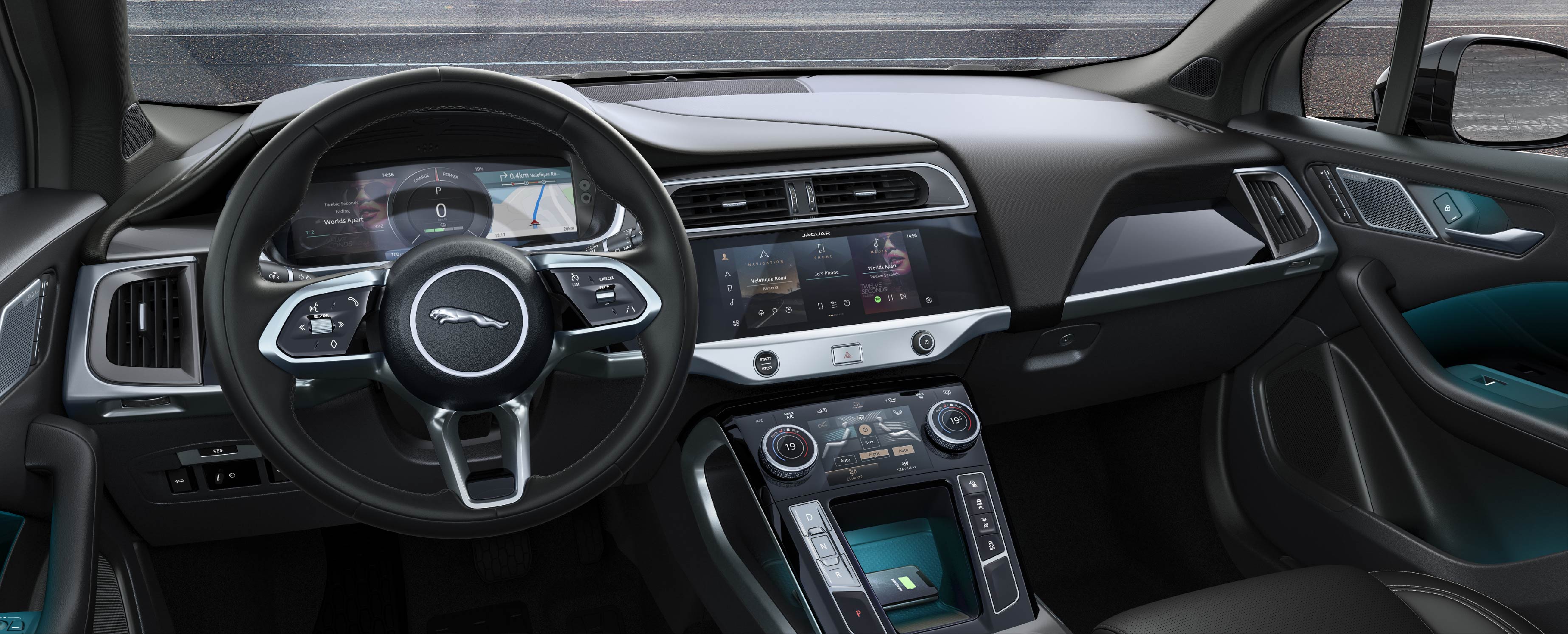
Jaguar Electric & Plug-In Models Sold in Canada
Currently available fully electric models:
• Jaguar I-PACE
Plug-in hybrid models sold in Canada:
• None currently offered
The Jaguar I-PACE is equipped with a 90 kWh battery and an 11 kW onboard AC charger. When paired with a properly installed 240V Level 2 circuit, most owners can recharge overnight, typically within 8 to 10 hours depending on the starting battery level. For daily commuting and routine driving, this provides more than enough time to restore full usable range.
The I-PACE uses the standard J1772 connector for AC Level 2 charging and supports DC fast charging through the Combined Charging System (CCS) for road trips. However, the majority of charging happens at home, where Level 2 charging offers the most convenience and cost efficiency.
How Much Does Jaguar EV Charger Installation Cost in Canada?
In most Canadian homes, Jaguar EV charger installation typically ranges between:
• $500–$1,200 for a straightforward installation where electrical panel capacity is already available
• $1,200–$2,500+ if panel upgrades, longer wiring runs, trenching, or additional electrical work is required
Several factors influence your final installation cost:
Electrical Panel Capacity
Level 2 chargers for the I-PACE typically require a 40A–60A dedicated breaker. Most modern 200A homes can accommodate this without issue, while older service panels may require a load calculation or upgrade.
Distance From Panel to Charger Location
Longer wiring distances increase labour and material costs, especially in finished garages or detached structures.
Indoor vs Outdoor Installation
Outdoor installations require weather-rated charging equipment and proper conduit protection to withstand snow, rain, and Canadian temperature swings.
Hardwired vs Plug-In Setup
Hardwired installations offer a clean, permanent solution and are often recommended for luxury EV owners. Plug-in installations using a NEMA 14-50 outlet provide flexibility but must still be installed with properly sized breakers and wiring.
Because every home’s electrical infrastructure differs, comparing quotes from licensed electricians ensures accurate pricing and a safe installation.
Why Professional Installation Is Essential for Jaguar Owners
EV charging is classified as a continuous high-load application under Canadian electrical code. Proper installation typically requires:
• A dedicated circuit
• Proper breaker sizing
• Permit approval (depending on municipality)
• Inspection compliance
A licensed electrician ensures your Jaguar home charging station meets code requirements, reduces the risk of overheating or breaker trips, and maintains long-term electrical reliability.
For luxury vehicles like the I-PACE, consistent charging performance supports battery longevity and predictable daily range, particularly in colder Canadian climates where energy consumption can increase.
Do You Need a Panel Upgrade for a Jaguar EV Charger?
Not necessarily.
Most modern 200A homes can support a Level 2 charger without issue. However, some properties may require:
• Load calculation assessment
• Panel upgrade
• Load management device
A certified electrician can evaluate your total household electrical demand and determine whether your existing system can safely support EV charging.
Get Up to 3 Free Jaguar EV Charger Installation Quotes
At EV Quotes, we connect Jaguar owners with licensed, insured electricians who specialize in EV charger installation across Canada.
Instead of calling multiple contractors individually, you can:
• Submit your installation details once
• Receive up to 3 no-obligation quotes
• Compare pricing, timelines, and credentials
• Choose the installer that fits your needs
✔ Fully qualified electricians
✔ Transparent pricing
✔ No obligation
Whether you drive the Jaguar I-PACE today or are preparing for Jaguar’s next generation of electric luxury vehicles, a professionally installed Level 2 charger ensures safe, efficient, and convenient home charging built for Canadian driving conditions.
Get 3 Free EV Charger Installation Quotes
Compare up to 3 licensed, pre-screened electricians in your area — trusted by EV owners across Ontario and fully code-compliant with permits and inspection included.
GET 3 FREE QUOTESUnderstanding Charger Levels for Jaguar EVs
Choosing the right charging solution is key to getting the most out of your Jaguar EV. There are three main charging levels, each with different speeds and installation requirements.
Level 1 Charging: Basic and Accessible
Level 1 charging is the most basic method, using a standard 120V household outlet. Most electric vehicles, including the Jaguar I-PACE, come with a Level 1 charging cable. This method requires no special installation; you simply plug it into any grounded wall socket. However, it is also the slowest option, adding only about 5-7 kilometers of range per hour of charging. For the I-PACE's large 90 kWh battery, a full charge could take over 60 hours. This makes it impractical for daily use, but it can be a useful backup or overnight top-up if you have a very short commute.
Key Benefits:
- No installation costs required.
- Uses any standard 120V outlet.
- Portable and easy to use anywhere.
- Good for emergency or supplemental charging.
Level 2 Charging: Faster and Practical for Home
Level 2 charging is the recommended and most practical solution for home use. It operates on a 240V circuit, similar to an electric stove or dryer, and can charge your Jaguar I-PACE significantly faster than a Level 1 charger. The I-PACE’s 11 kW onboard charger is perfectly suited for this, allowing it to gain a full charge in approximately 8-10 hours. This means you can easily charge your vehicle overnight and start each day with a full battery.
A Level 2 EV charger in Canada offers the best home charger experience by providing a perfect balance of speed, cost, and convenience. Professional installation by a certified electrician is required to ensure safety and compliance with local codes, but the long-term benefits are undeniable. This is the optimal setup for any Jaguar EV owner.
Key Benefits:
- Charges 5-7 times faster than Level 1.
- Fully charges the I-PACE overnight (8-10 hours).
- Cost-effective, especially with off-peak electricity rates.
- Increases home value and future-proofs your property.
Level 3 Charging: DC Fast Charging (Future Models)
Level 3 charging, also known as DC Fast Charging, is the quickest way to charge an EV. These chargers are found at public charging stations along highways and in urban centers. They bypass the vehicle's onboard AC charger and supply high-voltage DC power directly to the battery. The Jaguar I-PACE can support DC fast charging up to 100 kW, allowing it to charge from 10% to 80% in about 40-50 minutes. This makes long-distance travel feasible and convenient. Due to their high cost and extreme power requirements, Level 3 chargers are not available for residential installation.
Best Level 2 EV Chargers for Jaguar Owners in Canada
Selecting the right Level 2 charger ensures you get the most out of your Jaguar I-PACE’s 11 kW onboard charger. The Canadian market offers several excellent options that balance performance, reliability, smart features, and value. We've evaluated the top contenders to help you find the best fit for your home and lifestyle, considering factors like weather durability, charging speed, and future-proof technology.
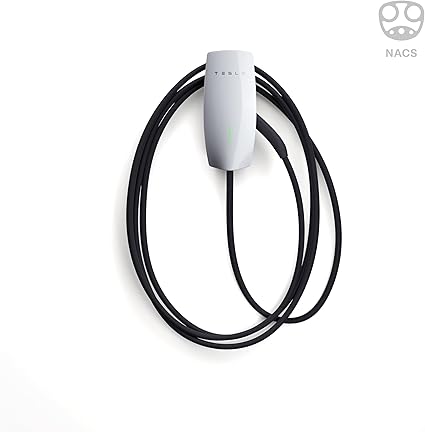
Comprehensive Charger Comparison



Portable Level 1 Chargers for Jaguar I-PACE
While a Level 2 charger is the best solution for home charging, a portable Level 1 charger is a valuable tool to have. These chargers plug into any standard 120V outlet, offering a charging option when you're away from home or in an emergency.
The I-PACE comes with a Level 1 cable, which is sufficient to cover an average daily commute of 30 km if charged overnight. While slow, it provides a reliable backup charging method, ensuring you're never left without power.


Home EV Charger Installation and Smart Features to Consider
Professional EV Installation Requirements
Installing a Level 2 EV charger is not a DIY project. It requires a licensed electrician to ensure the installation is safe, compliant with the Canadian Electrical Code, and eligible for provincial rebates. A professional will assess your home’s electrical system and perform the necessary work to support the charger.
EV Charger Installation Requirements for Canadian Homes:
- Dedicated branch circuit: A Level 2 charger requires its own dedicated 240V circuit to handle the continuous power draw.
- Breaker sizing (125% rule): The circuit breaker must be rated for 125% of the charger's maximum continuous load. For a 48A charger, this means a 60A breaker.
- Conductor sizing (AWG reference): The wire gauge must be appropriate for the amperage and distance from the electrical panel. Thicker wires (lower AWG number) are needed for higher currents or longer runs.
- GFCI protection: A ground fault circuit interrupter (GFCI) breaker is typically required to protect against electrical shock.
- Weatherproof installation (if outdoor): Outdoor installations require weatherproof chargers (NEMA 4 or higher) and appropriate conduits to protect wiring from the elements.
Cost of Charging a Jaguar at Home in Canada
Charging your Jaguar I-PACE at home is significantly more affordable than fueling a gasoline vehicle. The exact cost depends on your provincial electricity rates and how much you drive. With its 90 kWh battery and 377 km range, the I-PACE has an efficiency of about 23.9 kWh per 100 km.
Below are sample costs to fully charge the battery and the cost per 100 km in different provinces.
Sample Charging Costs (90 kWh battery):
- British Columbia: ~14.1¢/kWh = $3.37 per 100 km
- Québec (Off-peak): ~7.8¢/kWh = $1.86 per 100 km
- Ontario: ~14.1¢/kWh = $3.37 per 100 km
By comparison, a comparable luxury gasoline SUV averaging 12 L/100 km would cost around $19.20 per 100 km (at $1.60/L). Charging at home can save you over 80% on your fuel costs, highlighting one of the most significant financial benefits of EV ownership.
Future-Proofing Your Jaguar EV Charging Setup
As you prepare to install a home EV charger, a little foresight can save you time and money in the future, especially as Jaguar's all-electric lineup expands.
Planning Considerations:
- Install conduit for future upgrades: Even if you're installing a lower-amperage charger now, have your electrician run conduit that can accommodate thicker wiring for a more powerful charger later.
- Choose an accessible mounting location: Pick a spot in your garage or driveway that will be convenient for any vehicle to access, not just your current one.
- Select an upgradeable smart charger: Choose a charger that receives over-the-air firmware updates. This ensures it remains compatible with new technologies and utility programs.
- Plan panel capacity for multiple EVs: If you anticipate owning a second EV in the future, discuss a load management solution or potential panel upgrade with your electrician now.
EV Charger Lifespan and Maintenance
A quality Level 2 EV charger is a durable piece of equipment designed to last for many years. Most chargers have an expected lifespan of 7–10 years and are largely maintenance-free. The most important maintenance task is keeping the unit clean and ensuring the charging cable is not damaged or kinked.
For smart chargers, it's important to install firmware updates as they become available. These updates can improve performance, fix bugs, and add new features. It's also wise to have a qualified electrician periodically inspect the electrical connections to ensure everything remains secure.
Finally, pay close attention to the warranty. A strong warranty (3-5 years) from a reputable manufacturer provides peace of mind and protects your investment.
How to Maximize Your Jaguar Electric Car Experience
Owning a Jaguar EV is about more than just driving; it's about adopting a smarter, more efficient lifestyle. Simple adjustments to your daily habits and an understanding of seasonal effects can help maximize your vehicle’s range and performance.
Daily Charging Habits:
- Plug in every night: Make it a routine to plug in your I-PACE when you get home. This ensures you always start the day with enough range.
- Follow the 80/20 rule: For daily driving, charge your battery to 80% to help preserve its long-term health. Only charge to 100% when you need the maximum range for a long trip.
- Use scheduled charging: Set your charger to run during off-peak hours to take advantage of lower electricity rates.
Seasonal Considerations:
- Precondition in winter: Use the Jaguar Remote app to precondition (warm) the battery and cabin while the car is still plugged in. This preserves battery energy for driving.
- Anticipate range reduction: Cold weather reduces EV range. Be mindful of this during Canadian winters and plan your trips accordingly.
- Use heated seats and steering wheel: These features use less energy than blasting the cabin heater, helping to conserve range in the cold.
Performance Optimization:
- Drive smoothly: Avoid aggressive acceleration and braking. Smooth driving significantly improves energy efficiency.
- Use regenerative braking: Take full advantage of the I-PACE's regenerative braking system, which recaptures energy to recharge the battery as you slow down.
- Check tire pressure: Properly inflated tires reduce rolling resistance and are one of the easiest ways to maximize your vehicle's range.
How to Find the Best EV Charger Installer in Canada
Choosing the right EV installer is just as important as choosing the right charger. A qualified professional ensures your charging station is installed safely, works efficiently, and complies with all local codes and rebate requirements. Don't leave this critical job to an uncertified handyman. The risks are too high.
EV Charger Installer Qualifications:
- Licensed electrician: The installer must be a licensed electrician in your province, with a certification number you can verify.
- EV installation experience: Look for electricians who specialize in EV charger installations and have experience with your specific type of home and charger.
- Permit knowledge: A good installer understands the local permit requirements and will handle the entire application and inspection process for you.
- Insurance coverage: Ensure the installer has liability insurance and WCB coverage to protect you from any accidents or property damage.
Getting Quotes:
- Obtain multiple quotes: Contact at least three certified installers to compare pricing and services.
- Verify permits included: Confirm the quote includes the cost of the electrical permit and all related inspections.
- Ask about installation warranty: Reputable installers will offer a warranty on their workmanship, separate from the charger's product warranty.
The best way to ensure you get a fair price from a qualified professional is to compare quotes. This allows you to weigh your options and choose an installer you trust.
Prepare Your Home for a Jaguar Electric Car with a Home EV Charger
Making the switch to a Jaguar electric vehicle is an exciting step toward a more sustainable and exhilarating driving future. The final piece of the puzzle is preparing your home to support your new vehicle. Installing a Level 2 home EV charger offers unmatched convenience, significant cost savings, and the reassurance of waking up to a fully charged vehicle every morning.
Let EV Quotes help you find the right professional for the job.