Mitsubishi EV Charger Installation Guide: Costs, FAQs & Best Home Chargers in Canada
 Written by EV Quotes |
March 2026
Written by EV Quotes |
March 2026
- What is a Plug-in Hybrid?
- How Much Does Mitsubishi EV Charger Installation Cost in Canada?
- Why Professional EV Charger Installation Is Recommended for Mitsubishi EV Owners
- Do You Need a Panel Upgrade for a Mitsubishi EV Charger?
- Get Up to 3 Free Mitsubishi EV Charger Installation Quotes
- Understanding EV Charging Levels for Your Mitsubishi
- What Charging Connector Do Mitsubishi EVs Use?
- Best Level 2 EV Chargers for Mitsubishi Vehicles
- Comprehensive Comparison of Mitsubishi Level 2 EV Chargers
- Which EV Charger Is Right for Your Home?
- What If You're Not Ready for a Level 2 Charger?
- Smart Features of Modern Home EV Chargers
- Things to Consider Before Buying a Mitsubishi Home EV Charger
- Find the Best Mitsubishi EV Charger for Your Home
Upgrading to a Mitsubishi electric car or plug-in hybrid is an exciting step toward lower fuel costs and a greener drive. Whether you drive the popular Mitsubishi Outlander PHEV or the Eclipse Cross PHEV, having a reliable home charging setup transforms your daily routine.
While you can plug your vehicle into a standard wall outlet, installing a Level 2 home charger offers unmatched convenience. A Level 2 charging station can recharge most Mitsubishi plug-in hybrids in roughly 2–4 hours, depending on the model and charger power, rather than waiting all night.
Read on to learn everything you need about Mitsubishi EV charger installation in Canada, including costs, connector types, and how to find the right equipment for your home.
What is a Plug-in Hybrid?
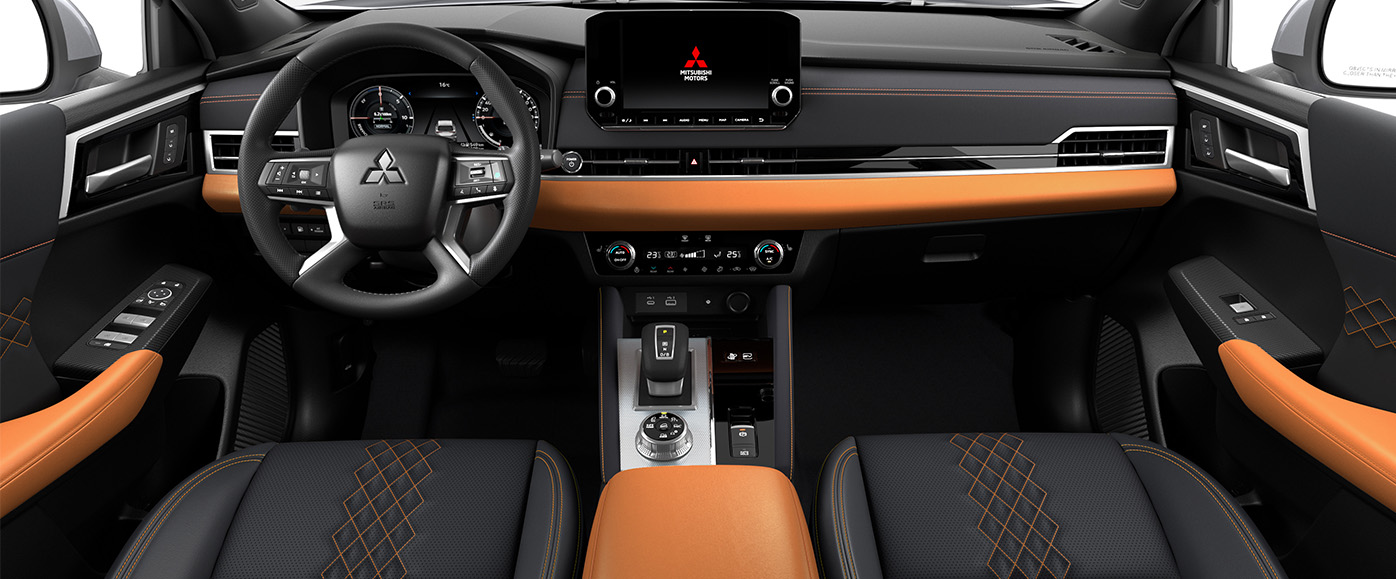
A plug-in hybrid (PHEV) combines a gasoline engine with an electric motor and rechargeable battery. Vehicles like the Mitsubishi Outlander PHEV can be plugged into a home charger to drive short distances on electricity before switching to gasoline.
How Much Does Mitsubishi EV Charger Installation Cost in Canada?
When planning your Mitsubishi EV charger installation, budget for both the hardware and the professional electrical work. In most Canadian homes, the total EV charger installation cost ranges from $1,200 to $4,500.
A quality Level 2 EV charger 240V unit typically costs between $500 and $2,000. The installation labor ranges from $700 to $3,500. A basic installation on a modern electrical panel usually falls on the lower end of that spectrum. Complex installations requiring extensive wiring, trenching, or electrical panel upgrades will push the cost higher. Government and provincial EV charger rebates in Canada can also help offset a large portion of these expenses.
Factors That Influence Installation Cost
Electrical Panel Capacity
Many homes have 100A, 150A, or 200A electrical service. A Level 2 Mitsubishi PHEV home charger usually requires a dedicated 40A to 60A breaker. If your current panel lacks capacity, you will need an upgrade.
Distance From Panel to Charger
The farther your desired charging station location is from your main electrical panel, the more wiring your electrician must run. Longer wire runs significantly increase labor and material costs.
Indoor vs Outdoor Installation
Installing a charger inside an attached garage is usually straightforward. Outdoor installations require weatherproof conduit, specialized mounting, and NEMA 4-rated charging units to withstand harsh Canadian winters.
Hardwired vs Plug-In Setup
You can choose a hardwired EV charger or a plug-in setup using a NEMA 14-50 outlet installation. Hardwired chargers provide a more stable connection and are highly recommended for higher-amperage systems.
Do Mitsubishi EVs Come With a Charger?
Yes, your new Mitsubishi comes with a standard Level 1 portable charger. You can plug this directly into a standard 120V household outlet. However, Level 1 charging is quite slow. It only adds about 3 to 8 kilometers of range per hour.
For a Mitsubishi plug-in hybrid, charging time on Level 2 drops from a 5–12 hour wait down to just 1 or 2 hours. This massive time saving is why most owners choose a Level 2 Mitsubishi EV charger installation.
Why Professional EV Charger Installation Is Recommended for Mitsubishi EV Owners
EV chargers are high-load electrical devices that draw continuous power for hours. Because of this, strict Canadian electrical code requirements apply.
A licensed electrician for your Mitsubishi EV charger in Canada will ensure you have the proper dedicated EV circuit installation. They will also handle necessary EV charger permits and arrange for the final electrical inspection.
Attempting a DIY installation risks severe fire hazards, voided warranties, and denied insurance claims. Protect your home and your vehicle by hiring a certified professional.
Do You Need a Panel Upgrade for a Mitsubishi EV Charger?
Not necessarily. Most modern homes with 200A electrical service can support a Level 2 charger without major modifications.
However, if you live in an older home with a 100A panel, you might face some limitations. Your electrician will perform a strict load calculation assessment. If your panel cannot handle the extra load, you may require an EV charger panel upgrade.
Alternatively, you can install a load management device that temporarily pauses your EV charging while other heavy appliances, like your stove or dryer, are running.
Get Up to 3 Free Mitsubishi EV Charger Installation Quotes
Finding the right EV charger installer does not have to be stressful. At EV Quotes, we connect EV owners with licensed electricians specializing in EV charger installation across Canada.
Instead of individually contacting contractors, you can simplify the process:
- Submit installation details once
- Receive up to 3 no-obligation quotes
- Compare pricing, timelines, and equipment
- Choose the installer that fits your needs
✔ Qualified electricians
✔ Transparent pricing
✔ No obligation
Understanding EV Charging Levels for Your Mitsubishi
Understanding how to charge a Mitsubishi Outlander PHEV at home starts with knowing your charging levels.
Level 1 Charging: Standard 120V Outlet
Level 1 EV charging uses standard 120V outlets and adds roughly 3 to 8 km of range per hour. This is a simple solution for emergency or temporary use, but it is impractical for daily charging needs if you drive frequently.
Level 2 Charging: Best Option for Home Use
Level 2 EV chargers operate on 240V power and deliver much faster speeds. This is the ultimate Mitsubishi PHEV Level 2 charger installation choice. It easily recharges a PHEV battery in a couple of hours and can fully charge a larger Battery Electric Vehicle (BEV) overnight.
Level 3 Charging (DC Fast Charging)
DC fast chargers deliver very high charging speeds at 400V to 800V. These public stations can add an 80% charge in just 20 to 40 minutes. Uniquely, the Mitsubishi Outlander PHEV is one of the few plug-in hybrids that actually supports DC Fast Charging, making it incredibly versatile on road trips.
What Charging Connector Do Mitsubishi EVs Use?
Most Mitsubishi plug-in hybrid vehicles use the J1772 connector for Level 1 and Level 2 charging. This is the standard charging connector used by most EVs and plug-in hybrids in North America, making Mitsubishi vehicles compatible with most home and public charging stations.
For faster charging on the road, the Mitsubishi Outlander PHEV also supports CHAdeMO DC fast charging. This allows drivers to recharge up to about 80% of the battery in roughly 20–40 minutes at compatible public fast-charging stations.
Because Mitsubishi vehicles support widely used charging standards, owners can easily charge at home with a Level 2 charger or access many public charging networks across Canada.
Best Level 2 EV Chargers for Mitsubishi Vehicles
Selecting the best Level 2 charger for your Mitsubishi PHEV ensures reliable daily performance. We highly recommend these top-rated chargers:
Comprehensive Comparison of Mitsubishi Level 2 EV Chargers



Which EV Charger Is Right for Your Home?
Best Overall Value: Emporia Classic
This unit offers excellent value, robust energy monitoring features, and highly reliable performance for daily charging.
Fastest Charging: ChargePoint Home Flex
Offering up to 12 kW of output, this charger features advanced app control so you can schedule charging when electricity rates drop.
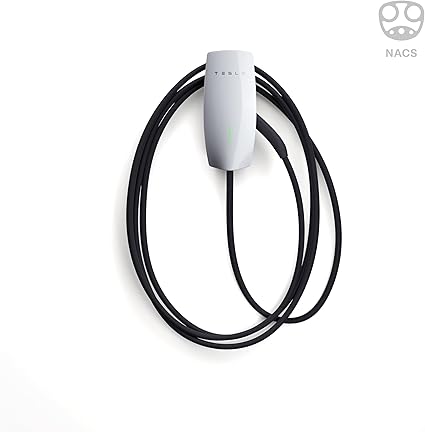
Premium Design: Tesla Universal Wall Connector
Featuring a sleek modern design, this unit supports both the standard Mitsubishi PHEV J1772 charger connection and NACS, future-proofing your garage.
Best Canadian-Made Option: Grizzl-E Classic / Smart
Made specifically for Canadian weather, this charger features durable construction and a tough NEMA 4 enclosure to withstand snow and ice.
What If You're Not Ready for a Level 2 Charger?
If you rent your home or rarely drive, you might hold off on a Level 2 installation. Level 1 chargers provide a simple solution for emergency or occasional charging, but they are much slower than Level 2 systems. You can use the Mitsubishi Outlander PHEV charging cable that came with your vehicle. For most EV owners, however, Level 2 remains the best home charging solution.


Smart Features of Modern Home EV Chargers
Modern Level 2 EV chargers offer more than just faster charging. Many models include smart technology that helps drivers monitor energy use, reduce electricity costs, and manage charging more efficiently.
Scheduled Charging
Smart chargers allow you to schedule charging sessions during off-peak electricity hours. Charging overnight when utility rates are lower can significantly reduce the cost of powering your vehicle.
Real-Time Energy Monitoring
Many chargers include mobile apps that track electricity consumption in real time. This helps you see exactly how much energy your vehicle uses and estimate your monthly charging costs.
Mobile App Control
Wi-Fi-enabled chargers can be controlled remotely through smartphone apps. You can start or stop charging sessions, adjust schedules, and receive notifications when your vehicle is fully charged.
Utility Integration and Rebates
Some smart chargers integrate with local utility programs. This allows you to participate in demand-response programs or access additional EV charging rebates offered by electricity providers.
Charging Data and Insights
Advanced chargers store historical charging data, allowing you to review past sessions and track long-term energy usage. This information can help optimize charging habits and improve efficiency.
Things to Consider Before Buying a Mitsubishi Home EV Charger
Household Circuit Capacity
Most homes require 40A to 50A circuits for overnight EV charging. Have an electrician verify your panel capacity first.
Charge Rate
Charging speed depends on your home's electrical capacity, the charger's maximum output, and your vehicle's onboard charger limit.
Smart Features
Wi-Fi-enabled chargers allow you to monitor energy use and schedule sessions directly through mobile apps.
Outdoor Rating
If you plan to install the unit in your driveway, ensure that chargers installed outdoors have proper weather protection, like a NEMA 4 rating.
Plug-In vs Hardwired Installation
Plug-in setups offer flexible installation if you already have a 240V receptacle. Hardwired connections offer a more stable power draw and are highly recommended for high-power, permanent installations.
Find the Best Mitsubishi EV Charger for Your Home
Installing a home EV charger for your Mitsubishi Outlander in Canada makes daily EV ownership far more convenient. You wake up every morning with a full battery, ready to tackle your commute without stopping for gas.
At EV Quotes, we connect EV owners with certified installers across Canada, so you can compare up to 3 free quotes. Let us help you find the best Mitsubishi PHEV charger installer near you.
Get your free quote from EV Quotes today and discover the best Level 2 EV charger for home that is perfect for your Acura.
Frequently Asked Questions
Yes, Mitsubishi produces Battery Electric Vehicles (BEVs) that run entirely on electricity. These vehicles must be plugged in to recharge and produce zero direct emissions. Mitsubishi also offers plug-in hybrid (PHEV) models, like the Outlander PHEV, which combine electric and gasoline power.