Toyota EV Charger Installation Guide: Costs, FAQs & Best EV Home Chargers in Canada

Author profile Written by EV Quotes   |   March 2026

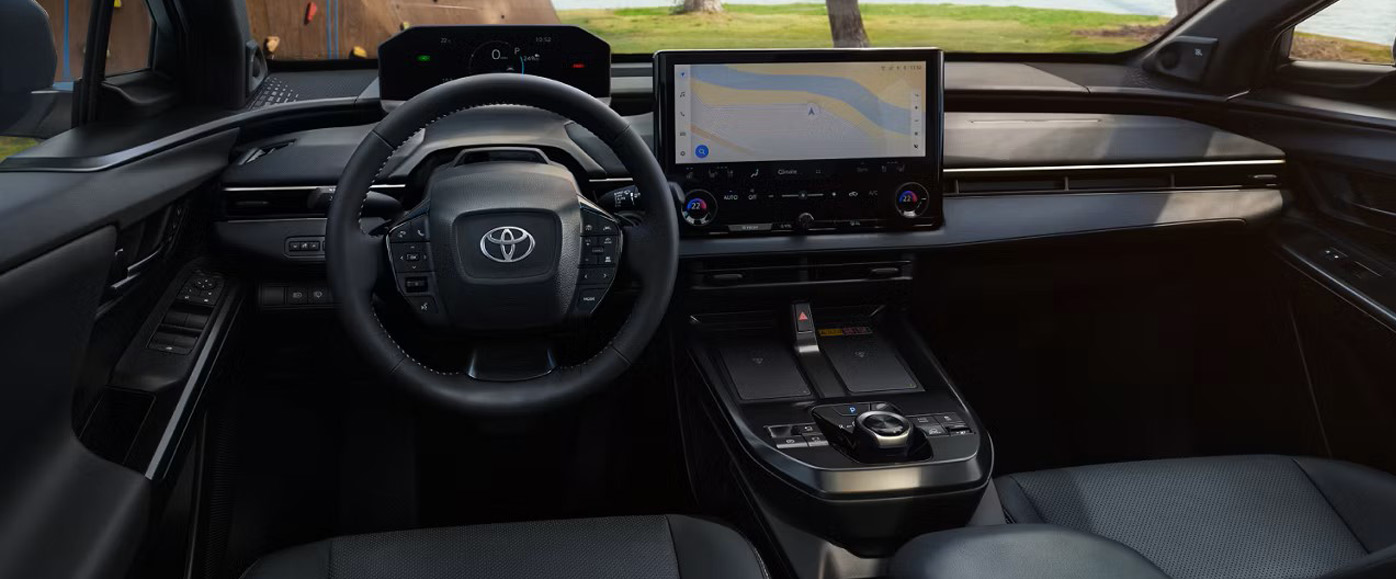
Getting the most out of your Toyota electric vehicle or plug-in hybrid starts with a reliable home charging setup. Whether you drive the all-electric bZ4X or need a Toyota RAV4 Prime charger, installing a Level 2 home station delivers incredible convenience and daily cost savings. For example, the 2026 bZ features an 11-kW onboard AC charger, allowing a full Level 2 charge in around seven hours overnight.

Continue reading, as this guide covers everything you need to know about Toyota EV charger installation in Canada, from electrical requirements to selecting the best home chargers for your vehicle.

How Much Does a Toyota EV Charger Installation Cost in Canada?

A typical Toyota home EV charger installation cost in Canada ranges from $700 to $2,000, depending on your home's unique setup. Basic installations fall on the lower end, while complex setups that require extensive Canadian electrical work or panel upgrades increase the final price. You should factor in electrical labor and local permits when planning your Toyota EV charger installation in Ontario, British Columbia, or Alberta budget. Checking for a local Toyota EV charger rebate in Canada can also help offset these initial expenses.

Factors That Influence Installation Cost

Electrical Panel Capacity

Many homes have 100A, 150A, or 200A service. Level 2 chargers usually require a 40A–60A dedicated breaker to handle consistent Toyota EV overnight charging safely.

Distance From Panel to Charger

The farther the charger location is from the electrical panel, the more wiring and labor is required to set up your Toyota plug-in hybrid charger.

Indoor vs Outdoor Installation

Outdoor installations may require weatherproof conduit and additional mounting hardware to withstand harsh Canadian winters.

Hardwired vs Plug-In Setup

Hardwired chargers are recommended for higher amperage systems (48A+), while plug-in setups use dedicated outlets, such as a NEMA 14-50 outlet, Toyota charger configuration.

EV chargers are high-load electrical devices that draw continuous power for hours. Because of this, strict Canadian electrical code requirements apply.

Hiring a licensed EV charger installer, Toyota expert ensures you have the proper dedicated circuit, an official EV charger permit from Toyota Canada, and full electrical inspection compliance.

A licensed electrician ensures your installation meets all local safety codes and protects your home electrical system.

Do You Need a Panel Upgrade for a Toyota EV Charger?

Not always. Most modern 200A homes can support a Level 2 charger without upgrades.

However, older 100A panels may require:

  • Load calculation assessment
  • Panel upgrade (typically costing $1,500–$3,500)
  • Load management device

A certified electrician can determine whether your current electrical system can safely support a Toyota EV's overnight charging routine without overloading your breaker.

Get Up to 3 Free Toyota EV Charger Installation Quotes

At EV Quotes, we connect EV owners with licensed electricians specializing in EV charger installation across Canada. Instead of contacting contractors individually, you can:

  • Submit installation details once
  • Receive up to 3 no-obligation quotes
  • Compare pricing and timelines
  • Choose the installer that fits your needs

✔ Qualified electricians
✔ Transparent pricing
✔ No obligation


Understanding EV Charging Levels for Your Toyota

Level 1 Charging: Slow, Emergency Use

Level 1 EV charging uses standard 120V outlets and adds roughly 3–8 km of range per hour. Using the included dual-voltage charging cable is a great way to top off your battery, but a full charge can take 24 hours or more, making it impractical for heavy daily driving.

Level 2 Charging: Best Option for Home Use

Level 2 EV chargers operate on 240V power and typically deliver 30–90 km of range per hour. The 11-kW onboard charger allows you to charge your vehicle from 10% to 100% in around seven hours. This makes a 240V charger Toyota setup the best option to fully charge your vehicle overnight.

Level 3 Charging (DC Fast Charging)

DC fast chargers deliver very high charging speeds, often adding rapid range in minutes. For example, under ideal conditions, the 2026 bZ can charge from 10% to 80% in around 30 minutes at compatible public stations using a CCS1 connector or a NACS adapter. These chargers are mainly used for road trips and public charging stations.

Best Level 2 EV Chargers for Toyota Vehicles

The standard SAE J1772 connector works seamlessly with all non-Tesla EVs sold in North America, including your Toyota. Recommended chargers include:

Emporia Classic

Emporia Classic

The Emporia Classic has earned recognition as an award-winning charging solution that delivers exceptional performance and value. This highly-rated charger combines reliable operation with advanced energy monitoring capabilities, allowing EV owners to track their charging costs and energy consumption with precision. The Emporia Classic's compact design, weather-resistant construction, and comprehensive smart features make it an excellent choice for homeowners seeking a balance of performance, technology, and affordability.

User Highlights for EV Owners:

  • Power Output: 11.5 kW (48A) 
  • Connector: J1772
  • Smart/App Features: Yes (energy monitoring, scheduling, cost tracking)
  • Installation Types: Hardwired only (professional installation)
  • Weather Rating: Excellent (NEMA 4, weather-resistant construction)
  • Warranty: 3 years (comprehensive coverage)
  • Price: $649-$699 (exceptional value for features)
  • Charging Time: 9-11 hours (0-100%), 52 minutes (50km range)
  • Special Feature: Award-winning performance with 4.9/5 expert rating

Installation Requirements

The Emporia Classic requires professional hardwired installation on a dedicated 60A circuit. This setup ensures safe operation, stable power delivery, and allows the charger to operate at its full 48A capacity, making it well-suited for permanent home or light commercial charging.

Why Choose the Emporia Classic

This charger is ideal for EV owners who want the best-rated Level 2 home EV charger with smart energy monitoring, reliable daily performance, and long-term value. It delivers the speed and consistency EV drivers expect, without the premium price tag.

ChargePoint Home Flex

ChargePoint Home Flex

The ChargePoint Home Flex stands out as the technology leader in home charging solutions, offering the most sophisticated app experience and smart features available in the market. This intelligent charging station provides comprehensive energy monitoring, flexible scheduling options, and seamless integration with utility demand response programs, allowing EV owners to optimize their charging costs while maintaining convenience. The Home Flex's superior cold-weather cable performance and robust build quality make it an excellent choice for Canadian installations, while its advanced connectivity features ensure you're always in control of your charging experience.

User Highlights for EV Owners:

  • Power Output: 12 kW (50A)
  • Connector: J1772 
  • Smart/App Features: Yes (industry-leading app, Alexa/Google integration)
  • Installation Types: Both plug-in (40A) and hardwired (50A) options
  • Weather Rating: Excellent (NEMA 4, superior cold-weather cable)
  • Warranty: 3 years (comprehensive coverage)
  • Price: $600-$700 CAD
  • Charging Time: 9-12 hours (0-100%), 50 minutes (50km range)

Installation Requirements

The ChargePoint Home Flex offers flexible installation to match different electrical setups. It can be installed as a plug-in unit using a NEMA 14-50 outlet or hardwired for higher, more consistent power delivery. Hardwired installation is recommended for GMC electric truck owners who want to maximize charging performance and long-term reliability.

Why Choose the ChargePoint Home Flex

This charger is ideal for EV owners who want one of the most advanced Level 2 home EV chargers on the market. It combines fast charging, superior cold-weather performance, and unmatched smart-charging features, making it an excellent choice for drivers who value control, convenience, and future-ready technology.

Tesla Universal Wall Connector

Tesla Universal Wall Connector

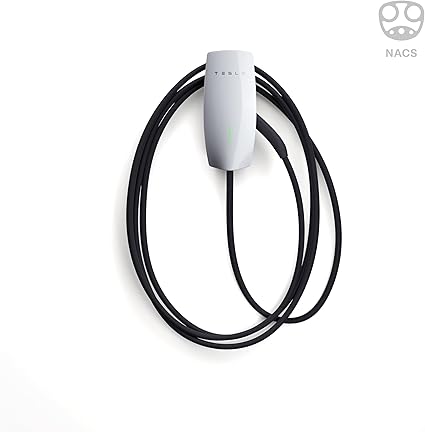
The Tesla Universal Wall Connector brings innovative design and future-proof compatibility to EV charging. Featuring Tesla's unique Magic Dock technology, this charger can accommodate both J1772 and NACS connectors without requiring separate adapters, making it an excellent choice for households with multiple electric vehicles or those planning for future EV purchases.

User Highlights for EV Owners:

  • Power Output: 11.5 kW (48A) 
  • Connector: J1772 & NACS (Magic Dock technology, future-proof)
  • Smart/App Features: Yes (Tesla app integration, scheduling)
  • Installation Types: Hardwired only (professional installation)
  • Weather Rating: Excellent (NEMA 4, all-weather performance)
  • Warranty: 4 years (extended coverage)
  • Price: $620-$850 CAD
  • Charging Time: 9-11 hours (0-100%), 52 minutes (50km range)
  • Special Feature: Tesla Supercharger access for EV starting June 2025

Installation Requirements

The Tesla Universal Wall Connector requires professional hardwired installation on a dedicated 60A circuit. This configuration ensures safe, consistent power delivery and allows the charger to operate at its full 48A capacity, making it suitable for high-capacity electric trucks.

Why Choose the Tesla Universal Wall Connector

This charger is ideal for EV owners who want a premium, future-ready Level 2 home EV charger. Its universal connector support, strong build quality, and long warranty make it an excellent long-term investment as North American charging standards continue to evolve.

Grizzl-E Classic and Smart

Grizzl-E Classic and Smart

The Grizzl-E series represents exceptional Canadian value engineering, offering reliable performance and quality construction at an attractive price point. Available in both Classic and Smart variants, these chargers provide EV owners with flexible options to match their budget and feature requirements. The Smart version adds WiFi connectivity and app control while maintaining the series' reputation for durability and reliability. Built to withstand harsh Canadian conditions and backed by excellent customer support, Grizzl-E chargers offer an ideal balance of performance, features, and value for cost-conscious EV enthusiasts.

User Highlights for EV Owners:

  • Power Output: 9.6 kW (40A) 
  • Connector: J1772 
  • Smart/App Features: No (Classic) / Yes (Smart version with WiFi)
  • Installation Types: Both plug-in and hardwired options available
  • Weather Rating: Excellent (NEMA 4, -30°C to 50°C Canadian tested)
  • Warranty: 3 years standard (5 years optional upgrade)
  • Price: $699-$1200 CAD (exceptional value)
  • Charging Time: 11-14 hours (0-100%), 62 minutes (50km range)

Installation Requirements

The Grizzl-E Classic offer flexible installation to suit different home electrical setups. Both can be installed using a NEMA 14-50 plug or hardwired for a more permanent solution. Hardwired installation is recommended for GMC electric truck owners seeking maximum durability and long-term reliability.

Why Choose Grizzl-E Classic

These chargers are ideal for EV owners who want a Canadian-made Level 2 EV charger built to handle extreme weather conditions. Whether you prefer the no-frills reliability of the Grizzl-E Classic or the added visibility of the Grizzl-E Smart, both models deliver dependable charging performance with strong long-term value.

Comprehensive Comparison of Toyota Level 2 EV Chargers

 
Emporia Classic
ChargePoint Home Flex
Tesla Universal Wall connector
Grizzl-E Classic/Smart
Feature
Feature
Emporia Classic
ChargePoint Home Flex
Tesla Universal Wall connector
Grizzl-E Classic/Smart
EVQuotes Rating
EVQuotes Rating
4.9/5
4.7/5
4.6/5
4.5/5
Power Output
Power Output
3.8-11.5kW (16A/24A/32A/40A/48A)
3.8-12kW (16A/24A/32A/40A/48A/50A)
2.9-11.5kW (12A-48A adjustale)
3.8-9.6kW (16A/24A/32A/40A)
Max Power Charge Time for 50km
52 minutes
50 minutes
52 minutes
62 minutes
Connector
Connector
J1772
J1772
J1772 & NACS
J1772
Smart/App Features
Smart/App Features
Energy Monitoring Scheduling
Advanced App, Alexa/Google
Tesla App Integration
Basic (Smart: WiFi enabled)
Installation Types
Installation Types
Hardwired only
Plug-in or Hardwired
Hardwired only
Plug-in or Hardwired
Weather rating
Weather rating
NEMA 4 (weather resistant)
NEMA 4 (excellent cold weather)
NEMA 4 (all weather)
NEMA 4 (Canadian tested)
Warranty
Warranty
3 years
3 years
4 years
3 years (5 optional)
User Insights
User Insights
Award-winning Performance
Top App Experience
Stylish & Versatile
Affordable & Reliable
Price(CAD)
Price(CAD)
$649-$699
$600-$700
$620-$850
$699-$1200

Which EV Charger Is Right for Your Home?

Best Overall Value: Emporia Charger

The Emporia charger stands out as the best overall value for Toyota EV owners. It offers an excellent combination of affordability, reliable performance, and useful energy monitoring features, making it a smart choice for those looking for a cost-effective yet capable home charging solution.

Fastest Charging: ChargePoint Home Flex

For those who prioritize speed, the ChargePoint Home Flex is the fastest charging option for your Toyota. With an output of up to 12 kW, it significantly reduces charging times. Its advanced app control also allows for easy management and scheduling of your charging sessions.

Premium Design: Tesla Universal Wall Connector

If aesthetics are a top priority, the Tesla Universal Wall Connector offers a premium and modern design. It is compatible with Toyota vehicles and supports both J1772 and NACS standards (with adapters available for certain models), combining sleek looks with versatile functionality.

Best Canadian-Made Option: Grizzl-E Charger

Made to withstand harsh conditions, the Grizzl-E charger is the best Canadian-made option for Toyota EV owners. Its durable construction ensures it can handle Canadian weather, making it a rugged and reliable choice for year-round home charging.

What If You're Not Ready for a Level 2 Charger?

Level 1 chargers provide a simple solution for emergency or occasional charging, but they are much slower than Level 2 systems. For most EV owners, a dedicated Level 2 J1772 charger setup remains the absolute best home charging solution to maximize your daily driving range.


Lectron Level 1 J 1772 (WiFi)
EVDance
Base Energy
Feature
Feature
Lectron Level 1 J 1772 (WiFi)
EVDance
Base Energy
Power Output
Power Output
120V, 12-16A, 1.4-1.9kW
120V/240V, 12-16A adjustable
120V, 12A, 1.4kW
Charge Time for 50km
5.3-7.1 hours
5.3-7.1 hours
7.1 hours
Key Features
Key Features
WiFi Enabled, App Control, Scheduling
Dual Voltage, portable, 25ft cable
UL Listed, reliable, 20ft cord
Price(CAD)
Price(CAD)
$200-$270
$120-$150
$130-$220
Best For
Best For
Smart Features & Convenience
Versatility & Travel
Maximum Reliability


Toyota Smart Features of Modern EV Chargers

Modern Toyota EV chargers include smart features designed to improve convenience, efficiency, and charging control for daily use.

Real-Time Charging Status

Monitor your vehicle’s charging progress directly through the Toyota app, including battery level, charging speed, and estimated completion time.

Remote Start and Stop Charging

Start or stop charging sessions remotely using your smartphone, allowing you to manage charging even when you’re away from home.

Charging Scheduling

Schedule charging sessions to take advantage of lower off-peak electricity rates and reduce home energy costs.

Public Charging Integration

The Toyota app helps drivers locate nearby public charging stations and access major networks such as ChargePoint, EVgo, and Tesla-compatible stations.

NACS Compatibility

New Toyota EV models support the North American Charging Standard (NACS) through adapters, providing access to a wider network of charging stations.

Future Vehicle-to-Grid (V2G) Capability

Emerging V2G technology will allow compatible Toyota EVs to send stored energy back to the electrical grid for improved energy management.

Things to Consider Before Buying a Toyota Home EV Charger

Household Circuit Capacity

Most homes require dedicated 40–50A circuits for reliable overnight Toyota EV charging.

Charge Rate

Charging speed depends on your home electrical capacity, the specific charger output, and your vehicle's onboard charger limits.

Smart Features

Wi-Fi-enabled chargers allow robust monitoring and scheduling through intuitive mobile apps.

Outdoor Rating

Ensure chargers installed outdoors have proper weather protection and strong NEMA/IP ratings.

Plug-In vs Hardwired Installation

Plug-in installations offer hardware flexibility. Hardwired setups are more stable and highly recommended for high-power chargers.

Find the Best Toyota EV Charger for Your Home

Installing a home EV charger makes daily electric vehicle ownership far more convenient. From taking advantage of a Toyota EV charger rebate in Canada to ensuring code compliance, local professionals handle the heavy lifting.

At EV Quotes, we connect EV owners with certified installers across Canada, so you can compare up to 3 free quotes safely.

✅ No obligation
✅ Licensed electricians
✅ Trusted by Canadian EV owners


Get your free quote from EV Quotes today and discover the best Level 2 EV charger for home that is perfect for your Acura.

Frequently Asked Questions

Toyota EVs use the SAE J1772 connector for Level 1 and Level 2 charging. The Toyota bZ4X also supports DC Fast Charging via a CCS1 connector. Newer Toyota models are transitioning to support NACS (North American Charging Standard) through adapters, expanding access to a wider network of public chargers.

Current Toyota EVs use the SAE J1772 port for Level 1 and Level 2 charging. The bZ4X additionally supports CCS1 for DC fast charging. With the new NACS adapter, select Toyota BEV models can also connect to Tesla Supercharger V3 and V4 stations.

No. J1772 is a standard AC connector used for Level 1 and Level 2 charging. CCS (Combined Charging System) builds on J1772 by adding two DC pins below it, enabling fast charging. All CCS-compatible vehicles can use J1772 chargers, but not all J1772 vehicles support CCS fast charging.

Yes. The Toyota RAV4 Prime is a plug-in hybrid that uses the standard SAE J1772 connector for Level 1 and Level 2 charging. It is not equipped with CCS fast charging capability. You can charge at home using a 120V outlet or a 240V Level 2 charger.

The Toyota bZ4X uses a J1772 connector for Level 1 and Level 2 AC charging, and a CCS1 connector for DC fast charging. With Toyota's NACS adapter, the bZ4X can also charge at compatible Tesla Supercharger V3 and V4 stations, significantly expanding its public charging options.

Yes. Because CCS incorporates the J1772 connector design at the top, a standard J1772 plug fits into a CCS-compatible vehicle's charging port. This means any CCS-equipped EV can charge at J1772 Level 1 and Level 2 stations without an adapter.

J1772 is being gradually superseded by NACS (North American Charging Standard). Major automakers, including Toyota, Ford, GM, and Hyundai, are adopting NACS for 2025+ models. However, J1772 remains widely used and will remain relevant for years, as backward compatibility is maintained through adapters on NACS-equipped vehicles.

Yes, with the official Toyota NACS-to-CCS adapter. The bZ4X can access Tesla V3 and V4 Supercharger sites. Note that V2 Superchargers are not compatible. Charging sessions must be initiated through the Toyota app, as Tesla Supercharger stations do not support external payment methods for Toyota vehicles.

Yes, using Toyota's official NACS adapter. Toyota BEV owners can access approximately 20,000 Tesla V3 and V4 Supercharger sites across North America. The Toyota or Lexus app is required to locate compatible stations, initiate sessions, and manage payment. Not all Tesla sites are accessible due to software compatibility limitations.

Tesla vehicles use Superchargers natively. Non-Tesla EVs with CCS1 ports, including the Toyota bZ4X can access V3 and V4 Supercharger sites using a NACS adapter. Many other automakers, including Ford, GM, and Rivian, have also adopted NACS for 2025+ models, further expanding Supercharger network access.

Yes, with the proper adapter. Toyota's official NACS-to-CCS adapter enables compatible Toyota BEVs like the bZ4X to charge at Tesla V3 and V4 Supercharger stations. The adapter is not compatible with Level 1 or Level 2 Tesla charging equipment, including Wall Connectors, Destination Chargers, or Mobile Connectors.

Toyota and Tesla are not formally partnered, but Toyota has adopted access to Tesla's NACS charging standard. Through Toyota's official NACS adapter, Toyota BEV owners can use Tesla's V3 and V4 Supercharger network. All charging sessions are managed through the Toyota app, and Tesla shares no personal data.

EV charger installation costs vary by location and home setup. In the US, a typical Level 2 home charger installation ranges from $700 to $2,500, including the charger unit and labor. Factors like panel capacity, distance from the panel, permit fees, and whether an electrical upgrade is needed all affect the final price.

Installing a dedicated 240V outlet for an EV typically costs between $300 and $1,000 in the US, depending on your home's electrical panel capacity and the distance from the panel to the outlet location. Additional costs arise if a panel upgrade is required. Always hire a licensed electrician for safe, code-compliant installation.

Yes, a licensed electrician can install a Level 2 EV charger. However, it is recommended to hire an electrician experienced with EV charger installation to ensure compliance with local electrical codes. They will handle the dedicated circuit, permits, and inspection requirements that are mandatory in most jurisdictions and necessary for rebate eligibility.

The 80% rule refers to the best practice of charging your EV to no more than 80% for everyday use. Lithium-ion batteries experience less stress and degradation when kept between 20% and 80% charge. Charging to 100% is best reserved for long trips where maximum range is needed.

For daily use, it is generally recommended to keep your EV charge below 80% to preserve long-term battery health. Consistently charging to 100% accelerates battery degradation over time. Most Toyota EVs allow you to set a charging limit through the Toyota app, making it easy to follow this best practice.

No. Charging to 100% every night can accelerate battery wear and reduce its long-term capacity. It is best to charge around 80% for daily driving, and only charge to 100% before long trips. Toyota recommends using scheduled charging via the Toyota app to automate charge limits and off-peak sessions.

The biggest factors that drain an EV battery include cold weather (which can reduce range by 14–39%), high-speed highway driving, aggressive acceleration, heavy use of cabin heating or air conditioning, and frequent DC fast charging. To preserve range and battery health, use preconditioning while plugged in and drive at moderate speeds.

Yes. With the official Toyota NACS adapter, the bZ4X can charge at Tesla V3 and V4 Supercharger sites. Charging sessions must be activated through the Toyota app, which also shows real-time station availability and compatibility. V2 Tesla Superchargers are not accessible to bZ4X owners due to hardware differences.

Toyota has offered complimentary public charging promotions for new bZ4X buyers through charging network partnerships. Availability and terms vary by model year and region. Check with your Toyota dealer or the Toyota website for the latest promotional charging offers included with your bZ4X purchase or lease agreement.

Toyota has offered promotional free charging periods for bZ4X buyers through partnerships with public charging networks. Specific offers depend on your purchase date, trim level, and region. Always confirm current incentives with your local Toyota dealer or at toyota.com, as promotional charging programs are subject to change.

Yes. Toyota's fully electric lineup includes the bZ4X, a battery electric SUV with no gas engine. Toyota also offers a wide range of hybrid and plug-in hybrid vehicles. The company has announced plans to expand its battery electric vehicle (BEV) lineup significantly through 2026 and beyond with new bZ-series models.

The Toyota bZ4X is currently the best fully electric option, offering all-electric range, DC fast charging capability, and available all-wheel drive. For those preferring a plug-in hybrid, the RAV4 Prime is highly rated for its balance of EV range and gas-powered flexibility. The best choice depends on your driving needs and charging access.

Yes. Toyota has committed to expanding its electrified lineup. The company plans to introduce additional battery electric vehicles under the bZ series, alongside continued investment in hybrid and plug-in hybrid technology. Toyota aims to offer a wide range of electrified power trains to meet diverse customer preferences globally by 2030.

Toyota's 2026 electrified lineup includes updated hybrid models, such as the Corolla Hybrid, Prius, Camry, RAV4 Hybrid, Corolla Cross Hybrid, and Sienna. Toyota continues to develop new BEV and PHEV models under its bZ platform. Visit toyota.com or contact your local dealer for the most current information on upcoming releases.

The Toyota bZ4X is a solid choice for buyers seeking a reliable all-electric SUV with a trusted brand behind it. It offers a comfortable ride, spacious interior, and expanding charging access via the NACS adapter.

Toyota EV batteries are designed for long-term durability, typically retaining significant capacity for 10 to 15 years or 150,000+ miles under normal driving conditions. Toyota offers an EV battery warranty covering defects and capacity degradation. Following best practices, such as avoiding frequent 100% charges and extreme temperatures, helps maximize battery lifespan.

Yes, in most states and provinces, an electrical permit is required to install a Level 2 EV charger. Permits ensure the installation is safe and code-compliant. Your licensed electrician typically handles permit applications. A permitted installation is also often required to qualify for government rebates and EV charger incentive programs.

It depends on your building's rules and electrical infrastructure. Some multi-unit buildings allow individual EV charger installation in assigned parking spots, while others require a building-wide charging solution. Contact your property manager or strata/HOA for approval, and consult a licensed electrician to assess electrical capacity and installation feasibility.

The NACS (North American Charging Standard) adapter allows CCS1-equipped Toyota BEVs, like the bZ4X, to charge at Tesla V3 and V4 Supercharger stations. If you own a 2025 or earlier Toyota BEV, you need the adapter to access the Tesla Supercharger network. Newer Toyota BEV models may include NACS natively.

Using a Level 2 charger, the Toyota bZ4X can charge from 10% to 100% in approximately 7 hours overnight, thanks to its 11-kW onboard AC charger. Level 1 charging via a standard 120V outlet is significantly slower, taking 24+ hours for a full charge. DC fast charging can reach 80% in around 30 minutes.

Yes. Various federal, state, and provincial rebate programs help offset EV charger installation costs. In Canada, programs like British Columbia's CleanBC, Quebec's Roulez vert, and New Brunswick's Plug-In NB offer rebates ranging from $350 to $750. In the US, the federal tax credit and various state programs may also apply. Always verify current eligibility requirements before installation.